
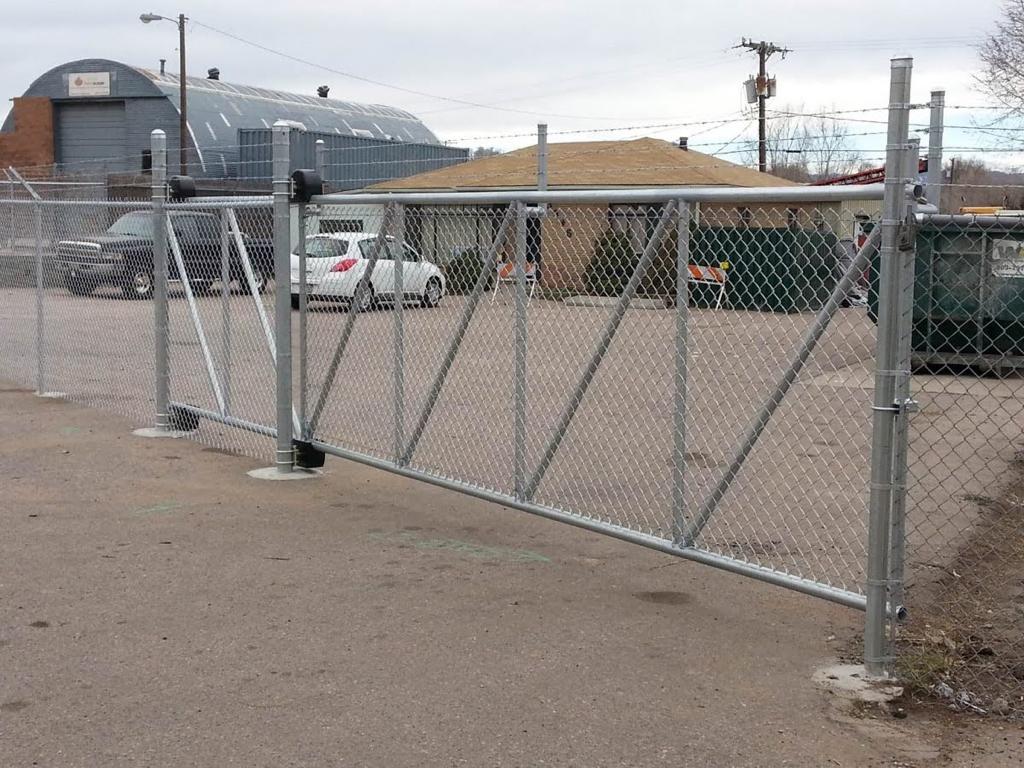
Straight answers from a local fence and gate contractor serving Galveston and Brazoria Counties.
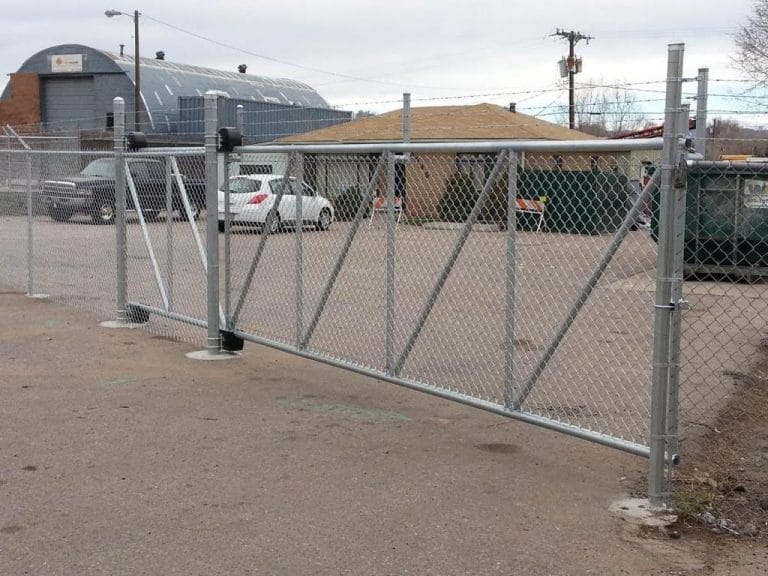
Automating a heavy iron or steel gate isn’t just a matter of bolting on any gate opener — an undersized motor on a heavy gate leads to overheating, premature gear failure, and a gate that struggles noticeably in wind or after any hardware drag develops.
Weight Capacity Rule of Thumb
A commonly used sizing rule is to choose a motor rated for at least 50% more than the gate’s actual weight. A gate weighing roughly 400 pounds, for instance, should be paired with an opener rated for at least 600 pounds — that headroom keeps the motor from straining every time it fights wind resistance or a slightly dirty track, rather than running right at its limit on a calm, clean day and failing the first time conditions aren’t ideal.
Horsepower Guidelines
A 1/2 horsepower motor is standard for most typical residential gates. Heavier gates — solid iron or steel driveway gates, wide double-drive gates, or commercial applications — generally need 1 horsepower or more, and high-wind locations push that requirement higher still, since wind load adds real resistance the motor has to overcome on every cycle.
It’s Not Just About Weight — Length Matters Too
Sizing isn’t only about how heavy the gate is; it’s also about how long it is. A long but relatively light gate needs an opener rated for the gate’s length as much as its weight, while a short but very heavy gate needs the reverse emphasis — check both specs against the manufacturer’s rated maximums rather than assuming weight alone tells the whole story.
Duty Cycle
Duty cycle describes how many open-close cycles per hour a motor can sustain without overheating. A gate that only opens a handful of times a day has different requirements than a commercial entrance cycling dozens of times daily — matching duty cycle to actual expected use prevents a motor that “should” be strong enough on paper from failing under real frequency of use.
Site Conditions That Push Sizing Up
Slope, high-wind coastal exposure common along Galveston Island and the Bolivar-facing communities, and heavy or ornate ironwork with more wind surface area all justify sizing up rather than choosing the minimum-rated option for the gate’s bare weight. Ask your installer to size the opener against your gate’s actual weight, length, and site conditions rather than a generic chart.
Related Questions
What happens if a gate opener motor is undersized?
Do coastal wind conditions really change motor sizing?
Ready for a real number for your property? Request a free on-site estimate from Mustang Fencing Services.