
Black Chain Link vs. Galvanized: What’s Actually Different
Both start as the same zinc-coated steel wire. Black chain link adds a polymer coating on top of it — the two ASTM specs that govern each layer explain what that buys, and what it doesn’t.
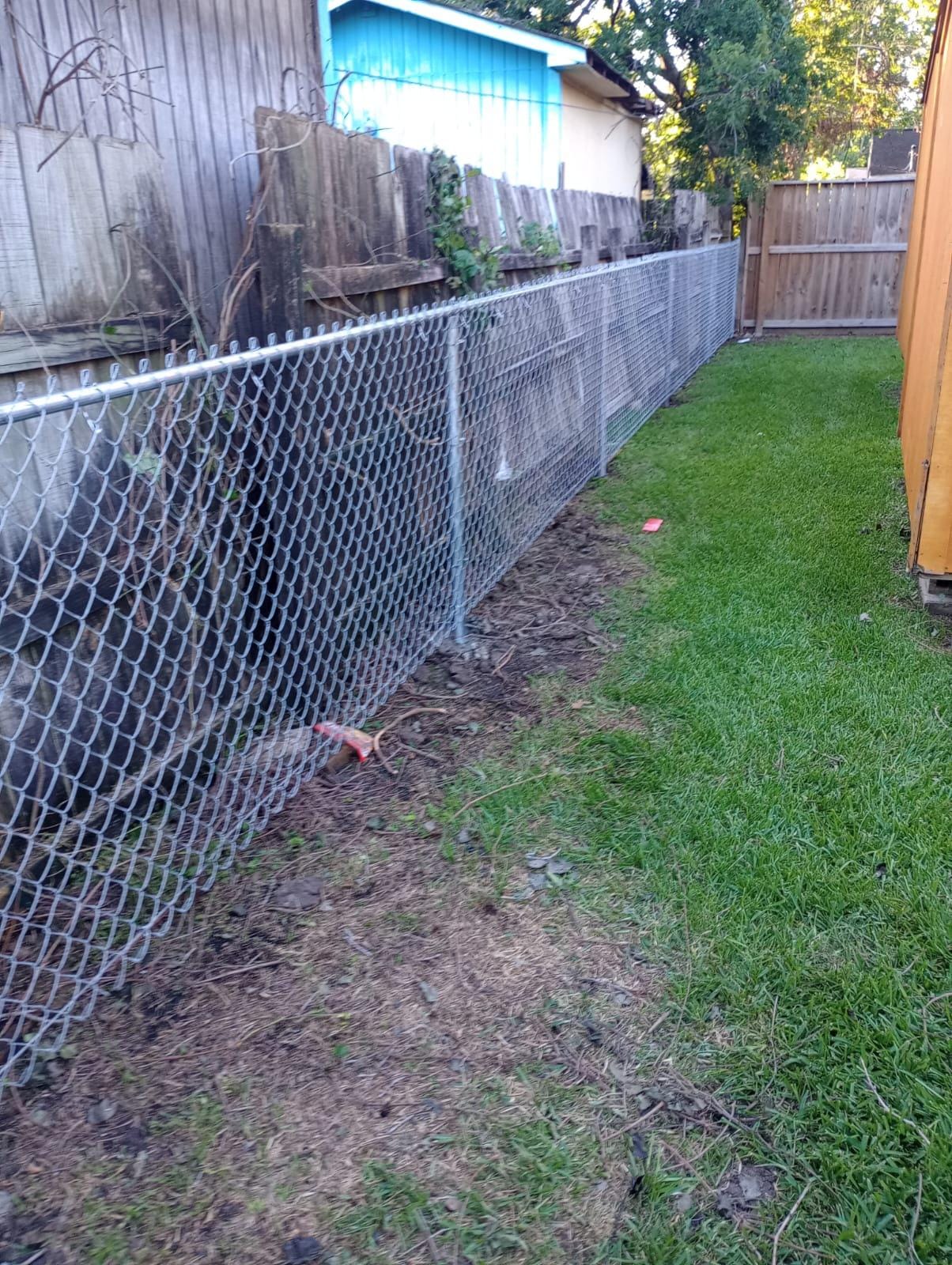
Galvanized chain link is steel wire coated in zinc per ASTM A392, available in two minimum coating weights (Class 1 and the heavier Class 2), which gives it the familiar bright-silver look. Black chain link starts from that exact same zinc-coated wire, then adds a polymer coating over it, governed by ASTM F668, applied in one of three construction methods depending on how tightly it bonds to the wire. It isn’t a different or weaker base material — it’s the same wire with one more layer, which is why it costs more (see our cost page) and changes appearance and long-term maintenance, not the fence’s underlying strength rating.
Source: ASTM International A392-11a(2022) and F668-25; Merchants Metals technical data sheet.
What actually changes, layer by layer
Zinc protects steel two ways: as a physical barrier, and by corroding preferentially so the steel underneath doesn’t have to (cathodic protection). Over time the zinc surface reacts with the atmosphere to build a tightly adherent patina — zinc oxide, then zinc hydroxide, then zinc carbonate — which is the main reason a galvanized coating keeps working for years without maintenance (American Galvanizers Association). ASTM A392 governs that zinc layer: Class 1 fabric carries a minimum 1.2 oz/ft² of zinc, Class 2 a minimum 2.0 oz/ft² — more zinc generally means longer before the coating thins enough for red rust to start.
ASTM F668 governs what happens next, only on black (or other polymer-coated) fabric: a polymer — commonly PVC — is applied over that same zinc-coated wire. The standard sets out three ways to do it: Class 1 is extruded over the coated wire; Class 2a is extruded and adhered to it; Class 2b is fused and adhered. The practical difference is bond strength — 2a and 2b grip the wire more tightly than a simple extrusion, which matters for how well the coating resists lifting or cracking after years of sun and handling.
| Galvanized (ASTM A392) | Black / polymer-coated (+ ASTM F668) | |
|---|---|---|
| Base wire | Steel wire, zinc-coated | Identical steel wire, zinc-coated |
| Governing spec | ASTM A392 (zinc coating only) | ASTM F668, covering the polymer applied over the zinc (or aluminum) coated wire |
| Coating classes | Class 1: 1.2 oz/ft² zinc min. · Class 2: 2.0 oz/ft² zinc min. | Class 1 extruded · Class 2a extruded & adhered · Class 2b fused & adhered |
| Appearance | Bright silver; a visible patina develops over years | Opaque color (commonly black); patina develops underneath, largely hidden |
| What a heavier spec buys | More zinc, generally a longer time before red rust starts | A more tightly bonded polymer layer (2a/2b) resists lifting and UV cracking better than Class 1 |
ASTM International, A392-11a(2022) and F668-25 (abstract/scope pages).
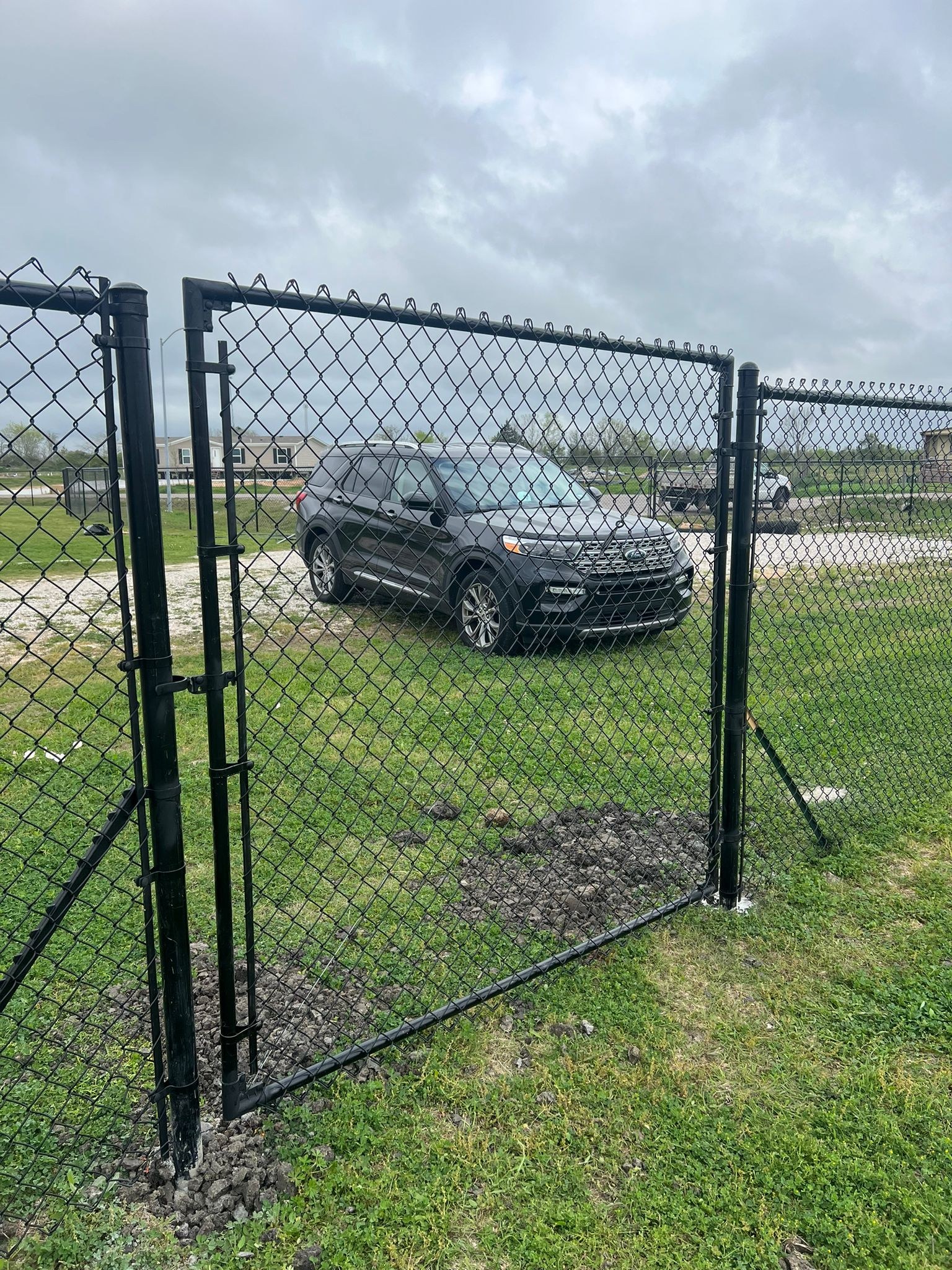
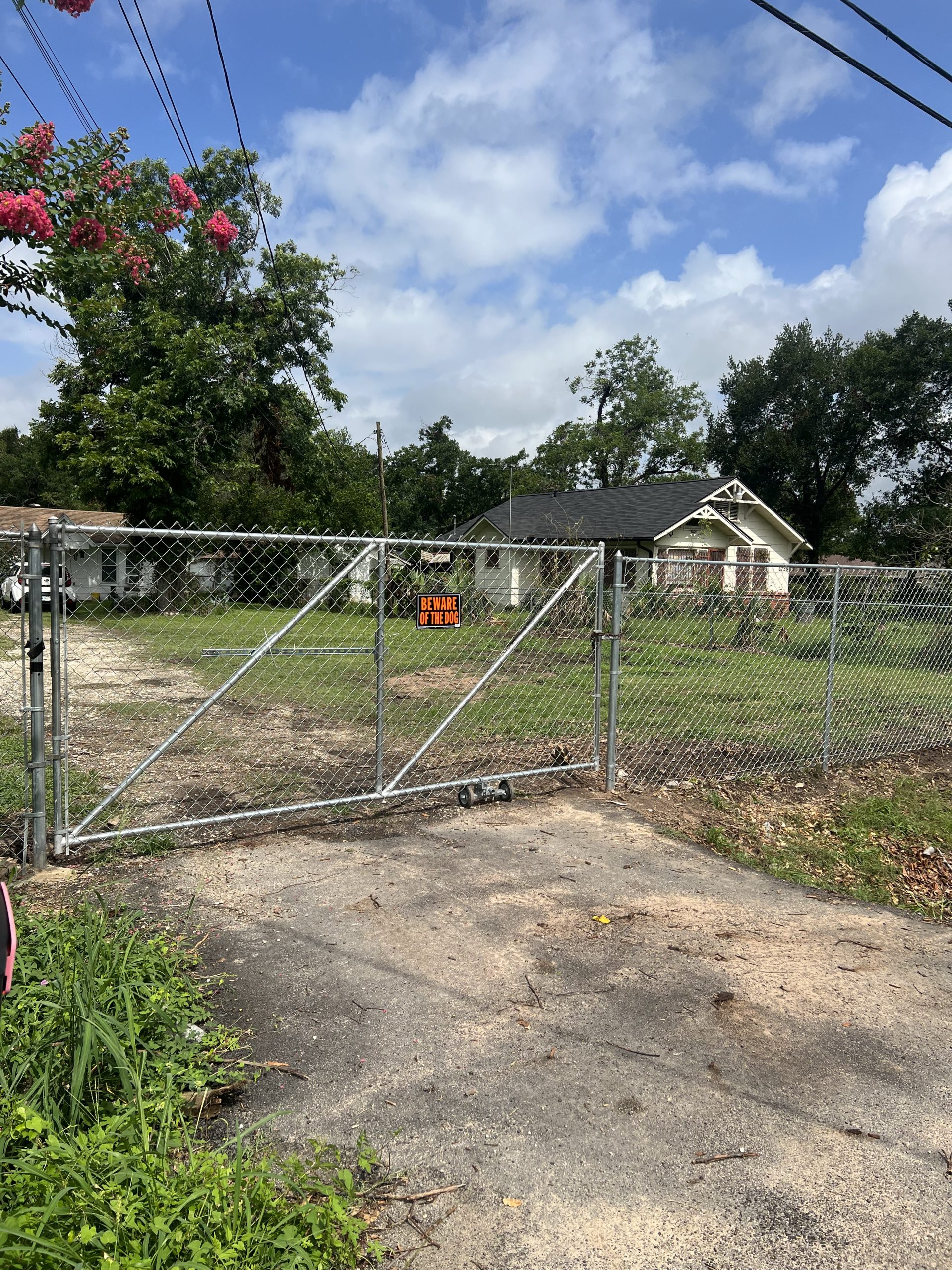


Which coating should I ask for?
Pick the description closest to this fence. This maps to the ASTM zinc and polymer coating classes above — it isn’t a quote, and your installer should confirm current stock for either class.
ASTM A392-11a(2022) (zinc coating classes); ASTM F668-25 (polymer coating construction classes); American Galvanizers Association, marine atmospheric classification; Master-Halco 12-Year Limited Warranty (coastal/marine exclusion).
What Galveston customers say
5.091 Google reviews · read them all on Google
chainlink fence installation by mustang fencing, looks really great, thanks.
True professionalism is very rare in this day and age, these guys live upto their word and deliver on their service! Our fence was down in the July storm and these guys came and gave a reasonable quote, after confirming I received a time line and they delivered! Will recommend them to everyone I know who needs fencing done.
"Mustang Fencing Service did an amazing job on my new fence! The team was professional, efficient, and communicative. The quality of the materials is outstanding, and they finished on time and within budget. Highly recommend them for any fencing needs!"
Reviews shown word for word from the Mustang Fencing Services Google Business Profile (Galveston), captured 2026-10-26.
Questions we get about this
Is black chain link a different, weaker material than galvanized?
What are the zinc coating classes on galvanized chain link?
What do ASTM F668’s coating classes (1, 2a, 2b) mean?
Does the black coating make the fence stronger or weaker?
Which should I pick for a Galveston yard?
Sources
Checked October 26, 2026. Rules change, so confirm with the City before you build.
- ASTM International, A392-11a(2022), Standard Specification for Zinc-Coated Steel Chain-Link Fence Fabric — Zinc coating classes (1 and 2) and their minimum coating weights; selvage and breaking-strength requirements for galvanized fabric.
- ASTM International, F668-25, Standard Specification for Polymer-Coated Steel Chain-Link Fence Fabric — Three polymer coating construction classes (1, 2a, 2b) applied over zinc-, aluminum-, or zinc-aluminum-coated wire.
- Merchants Metals, Zinc Coated (Galvanized) Steel Chain Link Fence Fabric technical data sheet — A392 Class 1/Class 2 minimum coating weights in oz/ft²; 25-year rust/corrosion warranty for Class 2 fabric.
- Master-Halco, 12-Year Limited Warranty, Galvanized Chain-Link Fence System — Published warranty term and its exclusion of harsh industrial, coastal or marine environments.
- American Galvanizers Association, Performance of Galvanized Steel in Different Environments — Zinc patina formation stages; observed atmospheric corrosion rates; the 5-class environment scale (incl. marine) used in AGA’s Time to First Maintenance chart.
Not sure which finish fits your fence?
We’ll walk the property, point out any salt-air or visibility factors, and quote both finishes side by side. Free estimates across Galveston County.