
Fence & Gate Installation in Baytown, TX
Wood, cedar, vinyl, aluminum, wrought iron and chain-link fences, plus driveway, electric and commercial gates, built and repaired for Baytown from our Galveston base. Baytown runs two separate fence rules side by side: an ordinary residential rule that requires a permit for every house fence no matter the height, and a separate “buffer fence” rule that applies where a business sits next to a home – common here, in a city built around the Ship Channel’s industrial corridor. The checker below sorts out which one applies to your project.
Mustang Fencing Services installs and repairs wood, cedar, vinyl, aluminum, wrought iron and chain-link fences, plus driveway, electric and commercial gates, for Baytown, TX from our Galveston base. Baytown sits where Harris and Chambers counties meet, on the Houston Ship Channel. Its building code (Chapter 18, Article XII) requires a building permit for every residential fence, regardless of height, and caps residential height at 8 ft (Sec. 18-1042). A separate rule (Sec. 18-1010) requires a 6-ft opaque buffer fence wherever a business or other nonresidential use sits next to an existing home – a real consideration in a city that mixes refining and petrochemical industry with residential neighborhoods.
Sources: City of Baytown, Texas, Code of Ordinances, Part II, Chapter 18 “Buildings and Building Regulations,” Article XII “Fencing,” Divisions 2 and 3 (library.municode.com/tx/baytown/codes/code_of_ordinances?nodeId=PTIICOOR_CH18BUBURE_ARTXIIFE_DIV2BUFE_S18-1011MA, version shown Aug 14, 2026); Wikipedia, “Baytown, Texas” (population/geography only). Checked October 12, 2026.
What we install in Baytown
We build the same range of fencing and gates in Baytown that we build across the rest of our Galveston-area service area:
- Wood and cedar privacy fences, like the Garret and Kut projects below.
- Vinyl in open-picket and solid-privacy styles.
- Aluminum and wrought iron.
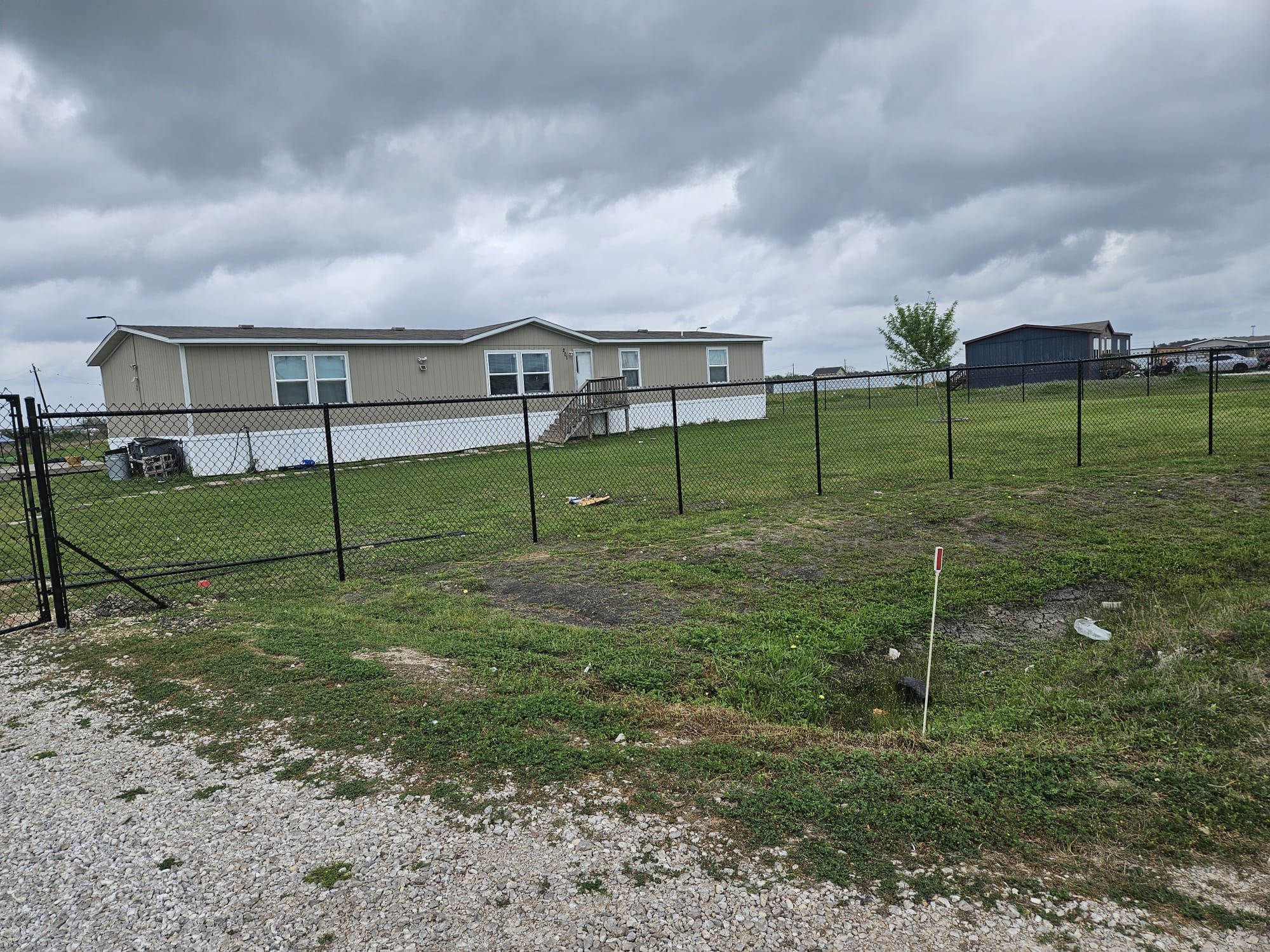
- Chain link, like Armando Barrera’s project – a common choice for Baytown’s commercial and industrial-adjacent lots.
- Gates: walk gates and driveway gates, with electric operators and access control, plus commercial fencing and gates.
Financing is available through the providers on our financing page, subject to credit approval.
Which Baytown fence rule applies to you?
Answer a few questions. This points you to the right part of Chapter 18, Article XII before you apply for a permit; it isn’t a permit decision, and it doesn’t replace a call to the Building Codes office for anything site-specific.
General guidance, not a permit decision: the City of Baytown Building Codes office makes the actual call. Based on City of Baytown Code of Ordinances, Chapter 18, Article XII, Divisions 2 & 3, version shown Aug 14, 2026, checked October 12, 2026.
Every residential fence in Baytown needs a permit
Baytown’s Code of Ordinances (Sec. 18-1041) is direct about this: anyone installing or erecting a residential fence must apply for a building permit and meet the requirements of Division 3 – there’s no height threshold that exempts a small fence the way some neighboring cities allow. That permit requirement also covers a replacement fence or a substantial repair, not just new construction (Sec. 18-1042(f)).
Once permitted, the rules themselves are straightforward: fences must use an approved material (redwood, rough cedar, pressure treated lumber, chain link, wrought iron, masonry, or concrete – plywood is banned outright), can’t exceed 8 ft anywhere on the lot, have to sit on the applicant’s own property, and can’t create a “visual traffic obstruction.” The ordinance doesn’t define a specific distance or height for that last rule, so if your fence sits near a driveway or street corner, it’s worth confirming the design with the Building Codes office before you order material.

The other rule: buffer fencing between a business and a home
Baytown grew up around its refining and petrochemical industry, and that industrial backbone still sits directly alongside residential neighborhoods in places – which is why Division 2 of the fencing article exists. Whenever a property is built for, or changes to, a nonresidential use – or simply changes ownership or occupancy while already in commercial use – and that property sits next to an existing one- or two-family home (or a vacant lot still under residential deed restrictions), the nonresidential owner must put up a permanent, opaque fence at least 6 ft tall, built plumb and square and reaching down to within 3 inches of the ground (Sec. 18-1010).
Two exceptions exist: a permit for a place of worship, or written waivers signed by every adjacent owner (revocable later, with a 60-day window to rebuild if a neighbor changes their mind). Both are decided by the chief building official when the permit is issued, and either can be appealed to city council before a certificate of occupancy is granted (Sec. 18-1009).
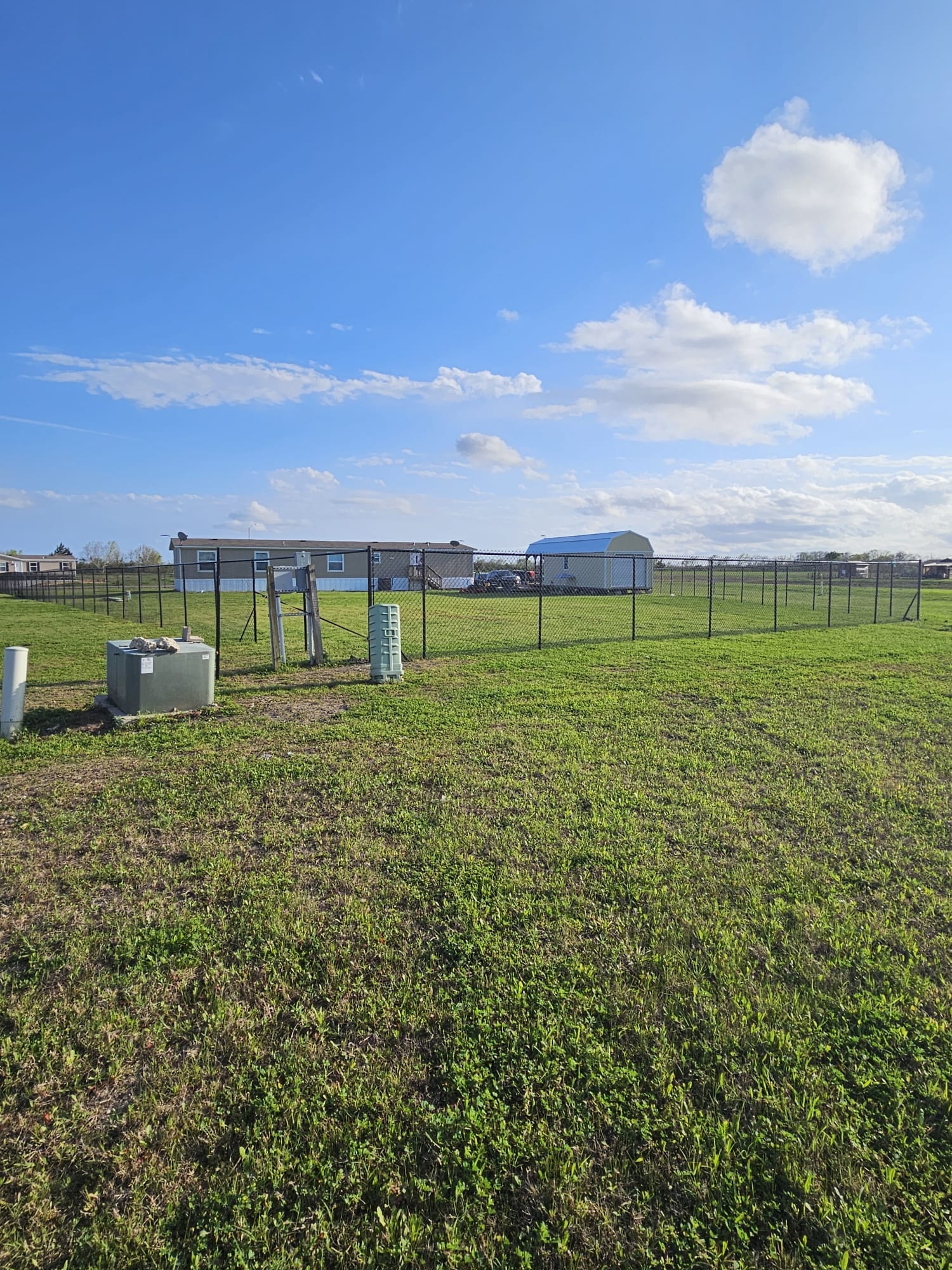
Recent work in Baytown
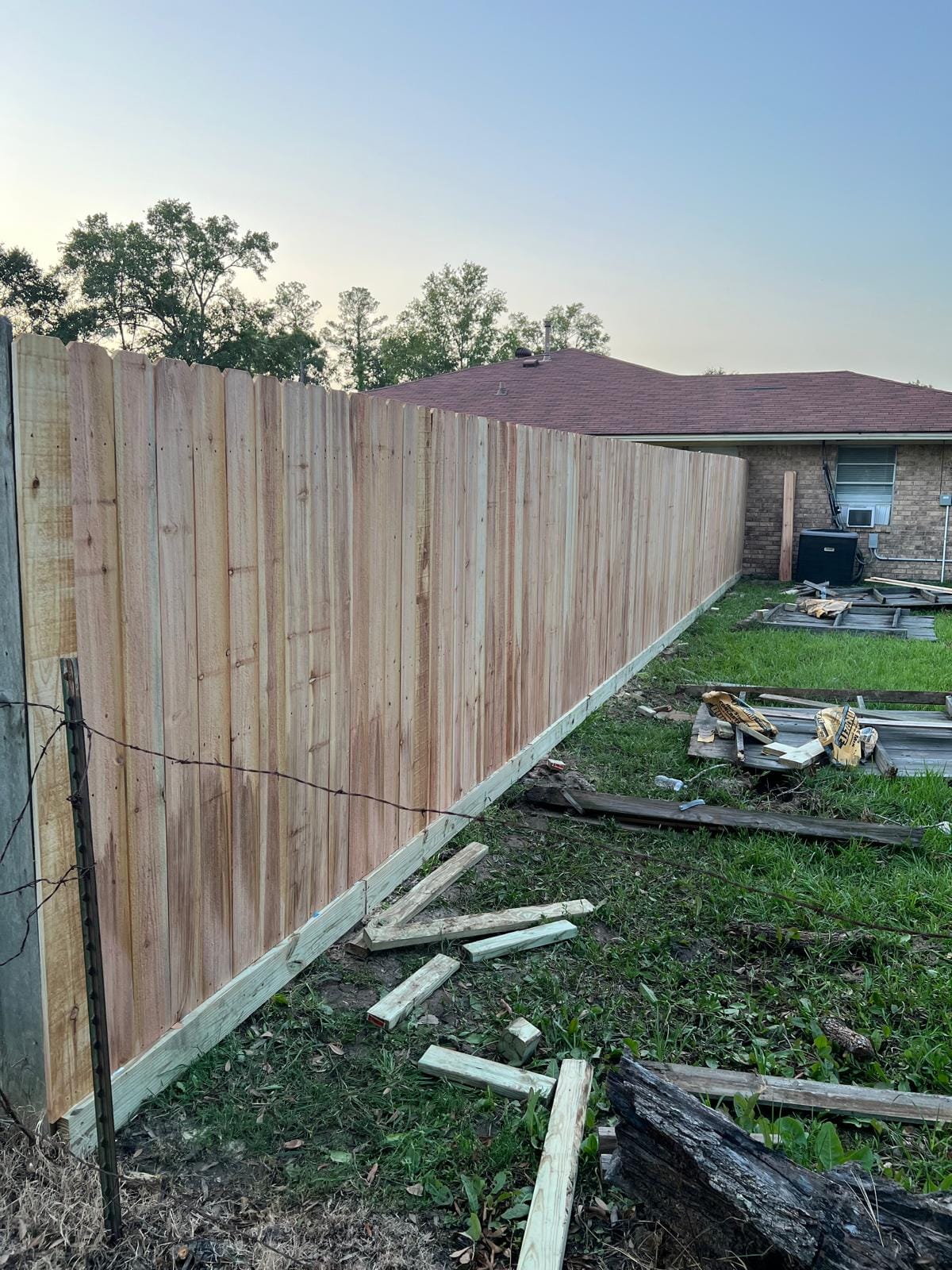
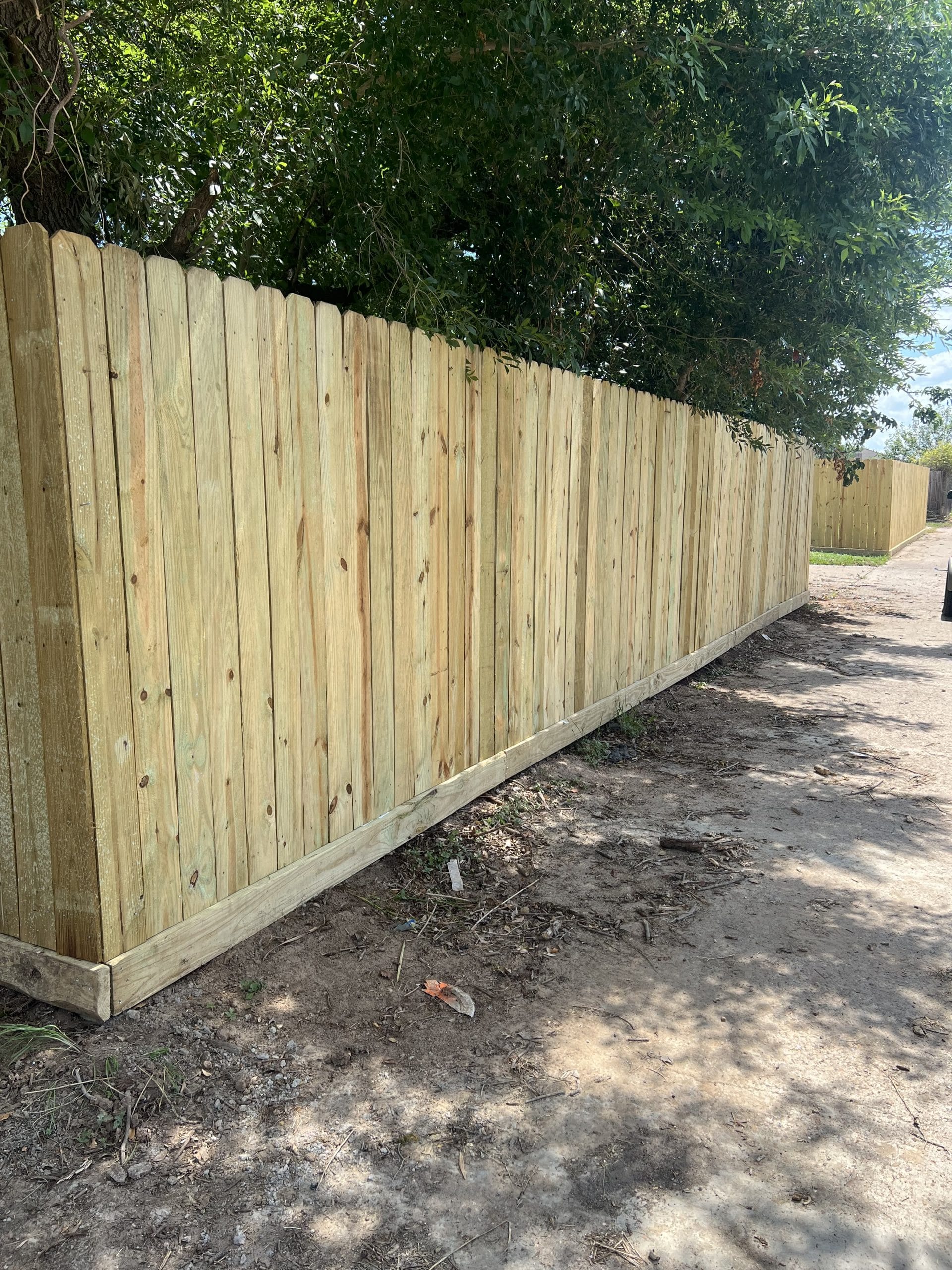
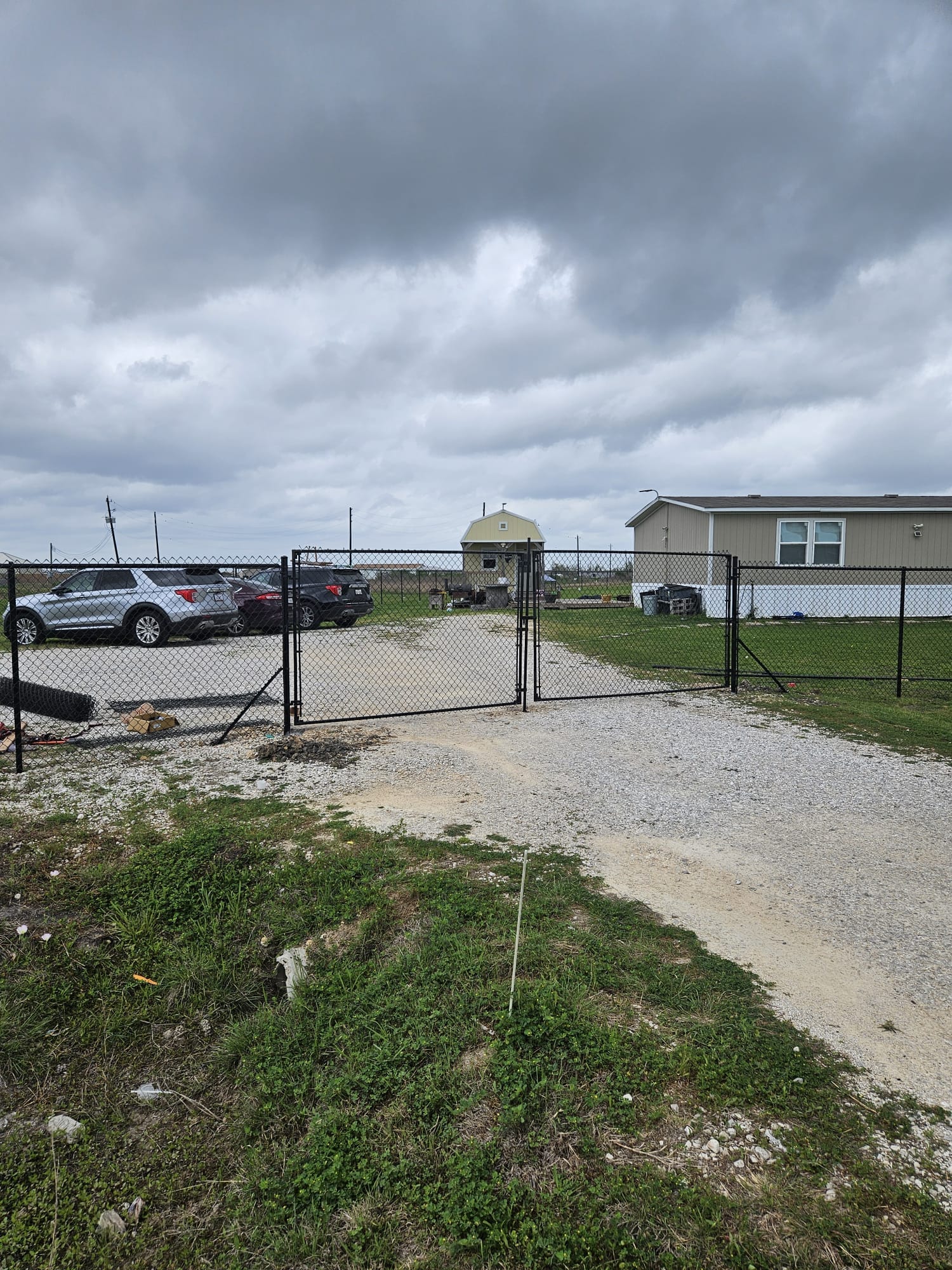
Five jobs so far, each with its own write-up:
- Crafting a Custom Cedar Fence and Gate for Wilda Garret in Baytown, Texas
- Crafting the Perfect Wooden Fence for Peter Kut in Baytown, Texas
- A Rewarding Experience with Joe Blackmon’s 551.5-Foot Pine Fence Installation in Baytown, Texas
- A Seamless Chain Link Fence Installation for Armando Barrera in Baytown, Texas
- Installing a Double Doored Arched 4×6 Drive-In Gate in Baytown, Texas
What customers say on Google
5.091 Google reviews · read them all on Google
chainlink fence installation by mustang fencing, looks really great, thanks.
We just installed iron gate and it looks amazing thank you very much mustang fencing .
Very professional and friendly. Gotten automatic gates done and they are done to perfection! Thank you
Reviews shown word for word from the Mustang Fencing Services Google Business Profile (Galveston), captured 2026-10-12.
Questions we get about this
Do you install fences and gates in Baytown, TX?
Do I need a permit for a residential fence in Baytown?
How tall can a residential fence be in Baytown?
What fence materials are allowed for a house in Baytown?
What is a "buffer fence" in Baytown and when do I need one?
What materials are allowed for a buffer fence?
Are there exceptions to the buffer fence requirement?
Sources
Checked October 12, 2026. Rules change, so confirm with the City before you build.
- City of Baytown, Texas, Code of Ordinances, Part II, Chapter 18, Article XII: Fencing — Division 2 “Buffer Fencing” (Sec. 18-1006 through 18-1013: when a buffer fence is required, materials, maintenance, location, exceptions) and Division 3 “Residential Fencing” (Sec. 18-1041 and 18-1042: permit requirement, materials, 8 ft height cap, visual-obstruction and property-line rules), reached from this chapter page via the article tree. Version shown Aug 14, 2026.
- City of Baytown, Building Codes — City building permit and code information.
- Wikipedia: Baytown, Texas — Location at the Harris/Chambers county line on the Houston Ship Channel; population; ExxonMobil and Chevron Phillips refining/petrochemical complex – geography/population only, never used for a rule or legal number.
Planning a fence or gate in Baytown?
We’ll measure your site, flag whether the residential rule or the buffer-fence rule applies, and give you a written estimate before any gate or fence order.