
A Leaning-Fence Repair and 80-Foot Hardie Backer Installation for David Alfi in League City, TX
David Alfi’s fence had a section leaning from soil movement that had shifted the posts. Here’s what Mustang documented about the fix: new posts anchored deeper in concrete, plus a new 80-foot Hardie fiber-cement backer fence alongside the repair — and why Gulf Coast clay soils move posts in the first place, with a footing-concrete calculator below.
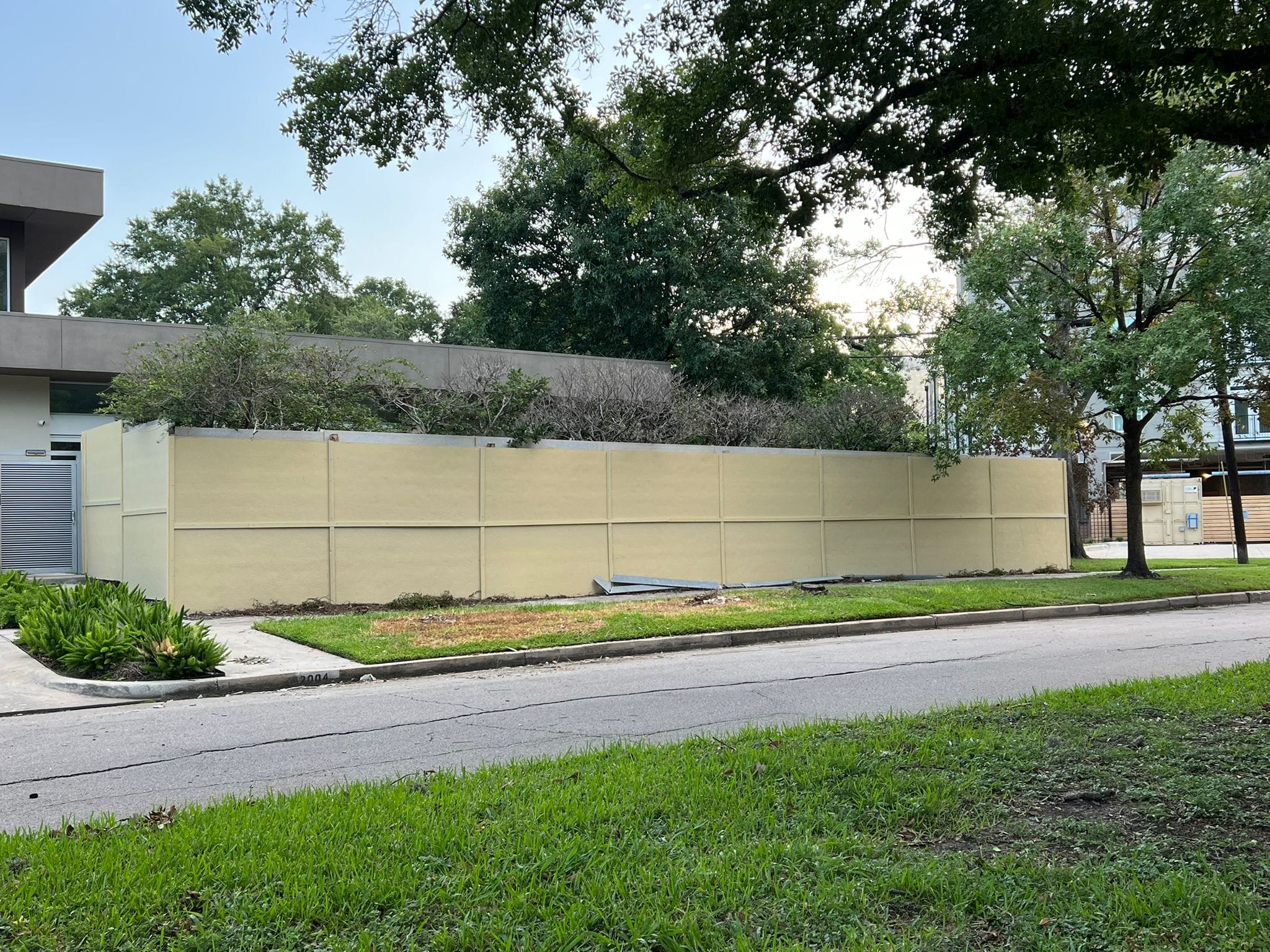
Mustang Fencing repaired a leaning section of David Alfi’s fence in League City, TX — caused by soil movement that had shifted the original posts — by resetting new posts deeper and anchoring them in concrete, then installed a new 80-foot Hardie fiber-cement backer fence alongside the repair.
Sources: this project’s own documented facts and photos; James Hardie product documentation; USDA NRCS official soil series description. Checked November 9, 2026.
The job: a leaning section repaired, plus 80 feet of new Hardie backer fence
David Alfi contacted Mustang Fencing about a leaning section of his existing fence. Soil movement had shifted the posts, compromising both the look and the security of that run. Alongside the repair, David also wanted 80 feet of Hardie backer — a fiber-cement fencing material — installed.
The repair itself focused on the posts: Mustang replaced the original posts in the leaning section with stronger ones, anchored deeply into the ground with concrete to resist the same soil movement that caused the original problem.
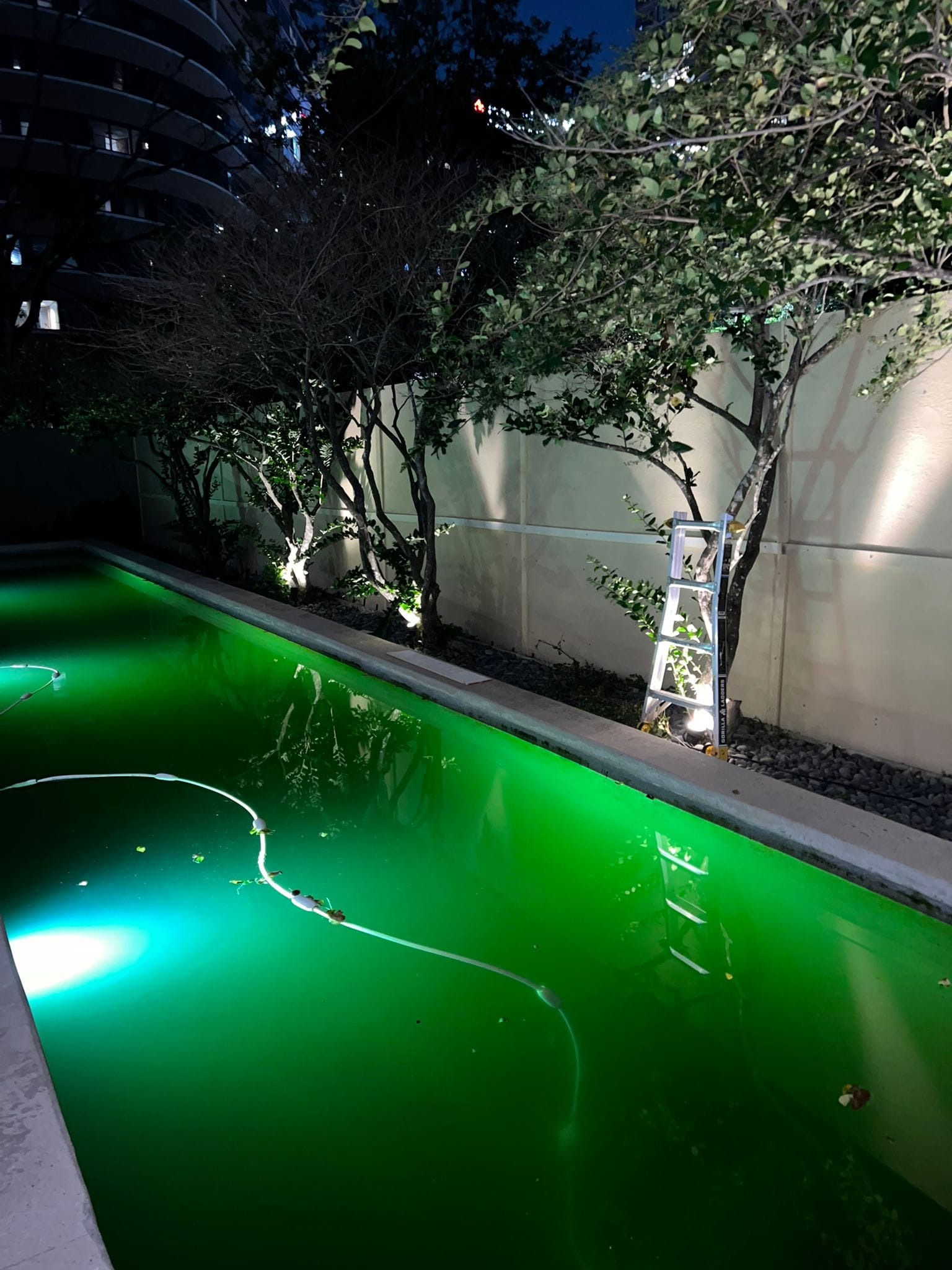
Why a fence post leans: soil movement on Gulf Coast clay
A fence post that was never given a deep, concrete-anchored footing has room to move as the soil around it moves. The upper Texas Gulf Coast — from Houston down through Galveston County — sits largely on heavy clay soils. The official USDA soil series description for the Beaumont soil type, mapped across the Gulf Coast Prairie of Texas, documents 42-65% clay content and pronounced shrink-swell (“vertic”) behavior: surface cracks 1 to more than 2 cm wide extending 30 cm (about 12 in) or more deep when the clay dries out, then closing again when it’s wet.
That repeated shrinking and swelling is exactly the kind of ground movement that can shift an under-anchored post over time. It’s regional context for why this kind of repair happens — not a soil test of David’s specific lot, which wasn’t documented.
What Hardie backer (fiber cement) is built to resist
For the new 80-foot run, David chose Hardie backer, a fiber-cement fencing material. Per James Hardie’s own product documentation, Hardie fiber-cement siding and trim is noncombustible when tested to ASTM E84 (“it will not burn”), and it resists moisture damage and holds no appeal for pests like termites and wood-boring insects. It also carries a 30-year non-prorated, transferrable substrate warranty from the manufacturer.
That combination — a material that doesn’t rot, isn’t attractive to termites, and is backed by a 30-year substrate warranty — is why fiber cement is a materially different choice from a wood privacy fence, especially after a soil-movement repair.
Post footing concrete calculator
Straight cylinder-volume arithmetic, not a universal depth rule — enter your own repair’s measurements. Bag yields are QUIKRETE’s own published figures (Concrete Mix, Product No. 1101): a 50 lb bag yields 0.375 cu ft, an 80 lb bag yields 0.60 cu ft.
Volume per hole = π × (diameter ÷ 2)² × depth, converted to cubic feet. Bag yields: QUIKRETE Concrete Mix data sheet, Product No. 1101. Estimate only — confirm hole size and depth with your installer; coastal clay soils may call for deeper or wider footings than a standard install.
What Galveston-area customers say
5.091 Google reviews · read them all on Google
True professionalism is very rare in this day and age, these guys live upto their word and deliver on their service! Our fence was down in the July storm and these guys came and gave a reasonable quote, after confirming I received a time line and they delivered! Will recommend them to everyone I know who needs fencing done.
Fenomenal job, really nice guy. Contacted them after hurricane knocked down my fence facing the street and got it done really quickly.
had an excellent experience with mustang fencing From the initial consultation to the final installation, the team was professional, punctual, and attentive to detail. They helped me choose the perfect fence style to match my property and ensured everything was installed with precision. The quality of materials is top-notch, and the fence has completely transformed the look and security of my home. I highly recommend mustang services to anyone looking for reliable and high-quality fencing services!
Reviews shown word for word from the Mustang Fencing Services Google Business Profile (Galveston), captured 2026-11-08.
Questions we get about this
What did Mustang Fencing do for David Alfi in League City?
Repaired a leaning section of his fence caused by soil movement — resetting the posts deeper and anchoring them in concrete — and installed a new 80-foot Hardie fiber-cement backer fence alongside it.
Why was the fence section leaning in the first place?
Soil movement had shifted the original posts. The upper Texas Gulf Coast, including the League City/Galveston County area, sits largely on clay soils that shrink and swell with moisture — documented regionally by the USDA’s Beaumont soil series description — which is the kind of ground movement that can shift an under-anchored post over time.
How did Mustang fix the leaning section?
By replacing the original posts with stronger ones and anchoring them deeper into the ground with concrete, rather than just straightening the existing posts in place.
What is Hardie backer and why was it chosen?
It’s a fiber-cement fencing material. Per James Hardie’s own product documentation it’s noncombustible (ASTM E84), resists moisture and pest damage, and carries a 30-year non-prorated, transferrable substrate warranty.
Does Mustang Fencing repair leaning or storm-damaged fences elsewhere near League City?
Yes. See fence and gate installation in League City, TX and fence repair.
Sources
Checked November 9, 2026. Rules change, so confirm with the City before you build.
- James Hardie, HardieTrim Boards product page — Fiber-cement composition claims: noncombustible per ASTM E84, moisture/pest resistance, 30-year non-prorated transferrable substrate warranty.
- USDA NRCS Official Soil Series Description: Beaumont — Clay content (42-65%), Gulf Coast Prairie of Texas distribution, vertic shrink-swell crack depth/width figures.
- QUIKRETE Concrete Mix data sheet, Product No. 1101 — Bag yield figures used in the footing calculator (50 lb = 0.375 cu ft; 80 lb = 0.60 cu ft).
Got a fence post leaning or shifting near League City?
We’ll look at what’s actually moving — the post, the footing, or the soil around it — before any written estimate.