
What’s the Best Commercial Fence Material for Galveston’s Hurricane Winds and Salt Air?
National fencing guides are written for inland climates. Here’s what the chain-link industry’s own wind-load engineering guide, two manufacturers’ own coastal warranty terms, and TDI’s windstorm design-speed zones actually say about which commercial fence materials hold up here.
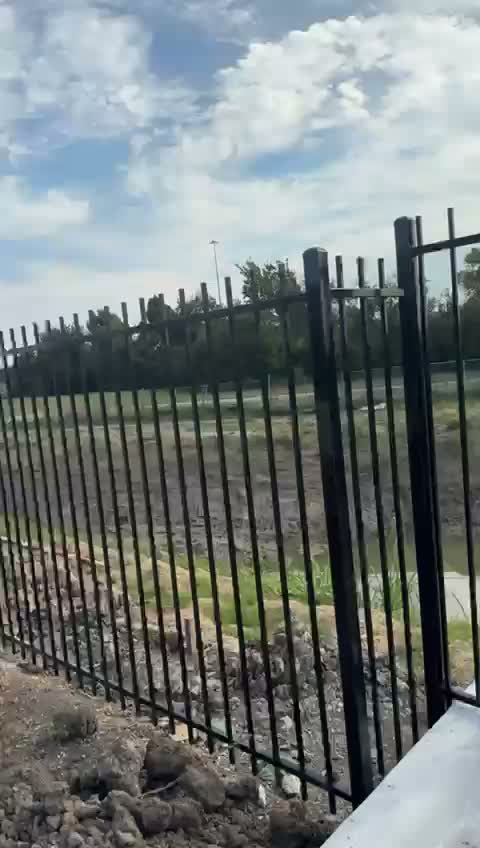
For most commercial and industrial sites here, an open fence (chain link or open ornamental steel) is the more wind-sensible choice than a solid privacy panel, and the coating/warranty terms matter more near the water than the base material does. The chain-link industry’s own wind-load design guide treats a solid panel as the heaviest wind load per post, with open mesh fabric allowing far wider post spacing at the same wind speed. Separately, manufacturer warranties often step down — or exclude coastal use outright — the closer you get to salt water. Facts below, sourced to the engineering guide and two manufacturers’ own documents, not marketing copy.
Sources: CLFMI Wind Load Guide WLG 2445 (Jan. 2018), spsfence.com (retrieved Sept. 25, 2026); Ameristar Montage Commercial 20-Year Limited Warranty, ameristarperimeter.com (retrieved Sept. 25, 2026); Master-Halco 12-Year Limited Warranty, Galvanized Chain-Link Fence System, masterhalco.com (retrieved Sept. 25, 2026); TDI windstorm zone pages, tdi.texas.gov (retrieved Sept. 26, 2026).
Wind load is a design problem, and the industry’s own numbers back the open-fence logic
A tall solid wood, vinyl or privacy panel fence catches wind the way a sail does. The chain-link industry’s own wind-load engineering guide (CLFMI WLG 2445) quantifies exactly how much that matters: its Table 9 treats a solid panel as the baseline case (coefficient Cf1 = 1.0, the heaviest load per post), while common open mesh chain-link patterns carry coefficients of roughly 2.2 to 6.4 in the guide’s own worked examples — meaning the same design tables allow dramatically wider post spacing (i.e., far less wind load transferred to each post) for an open fence than a solid one, at the same height and wind speed. That’s the engineering reason chain link and other open designs remain such a common choice for commercial and industrial sites on the Texas coast.
How much higher the design wind speed actually is here
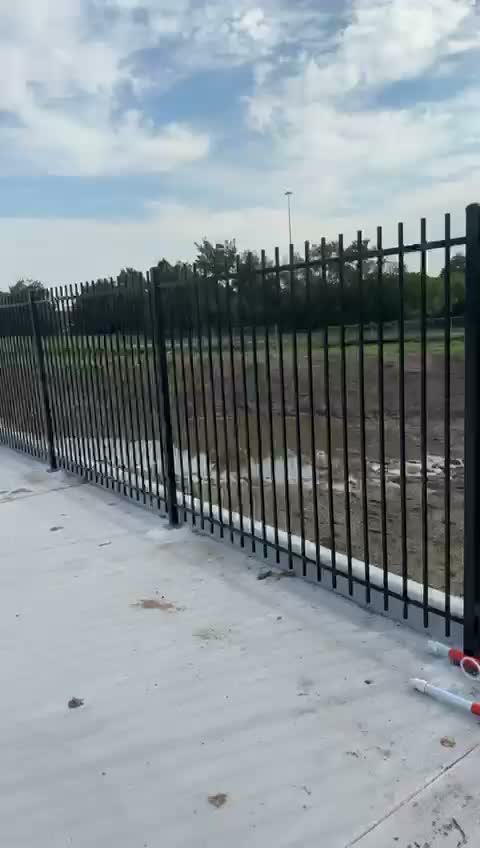
Coastal Galveston County does sit in a higher design wind speed zone than inland Texas — the old version of this page said so without a number. TDI’s windstorm program maps Galveston itself in the SEAWARD zone at a 130 mph 3-second gust design wind speed; League City, Texas City, Kemah, Dickinson, Santa Fe, Hitchcock, La Marque, Bacliff, San Leon, Bayou Vista and Clear Lake Shores fall in INLAND I at 120 mph; and Friendswood is INLAND II at 110 mph. These are legacy TDI windstorm-zone figures (2006 IBC/IRC with Texas Revisions), not a number published directly in the City’s own adopted building-code text — worth knowing if your engineer or permit reviewer asks where a wind-speed figure came from.
Which commercial fence direction fits your site?
Answer two questions for general guidance on what to ask your contractor about. This isn’t an engineered spec — a real design needs your site’s wind exposure and local permit review.
General guidance only, not a design: wind-load logic from CLFMI WLG 2445 Table 9; coastal warranty tiers from Ameristar’s Montage Commercial warranty (5/10/20-year tiers by distance from salt water) and Master-Halco’s galvanized chain-link warranty (coastal/marine use not warranted under the standard 12-year term).
Material snapshot for commercial coastal sites
| Material | Wind behavior | Coastal coating note |
|---|---|---|
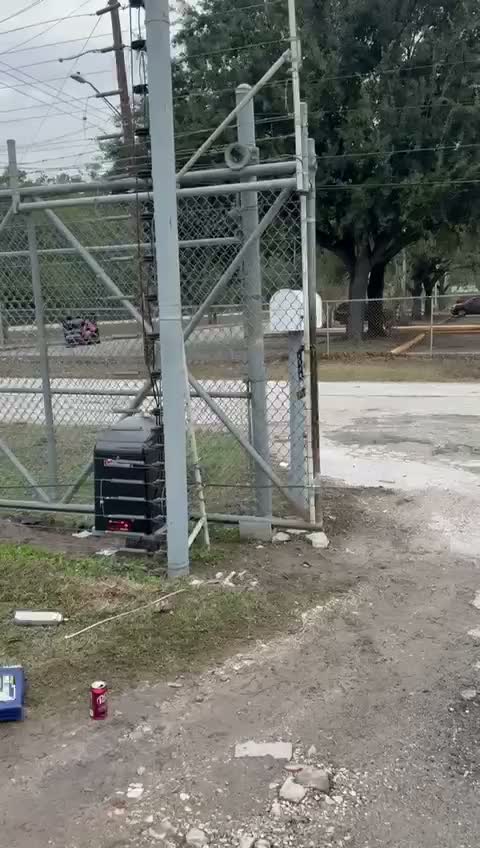
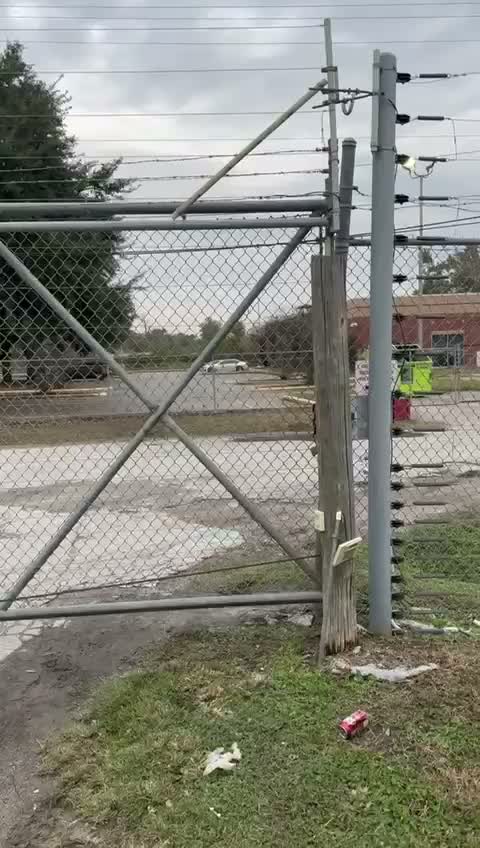
| Galvanized or vinyl-coated chain link | Open fabric — low wind load per CLFMI’s own tables | Standard warranties can explicitly exclude coastal/marine use — confirm in writing |
| Powder-coated aluminum/steel ornamental | Open picket styles behave similarly to mesh; solid infill behaves like a panel | Ameristar’s own commercial warranty tiers down near salt water (5/10/20-year bands) |
| Solid privacy panel (any material) | CLFMI’s wind-load baseline — the heaviest load per post | Needs closer attention to post depth, footing size and bracing for storm season |
CLFMI WLG 2445; Ameristar Montage Commercial warranty; Master-Halco galvanized chain-link warranty.
What customers say
5.091 Google reviews · read them all on Google
Fenomenal job, really nice guy. Contacted them after hurricane knocked down my fence facing the street and got it done really quickly.
Seems to have helped out a after hurricane beryl we all appreciate it thank you!
chainlink fence installation by mustang fencing, looks really great, thanks.
Reviews shown word for word from the Mustang Fencing Services Google Business Profile (Galveston), captured 2026-10-19.
Questions we get about this
Does chain link really handle hurricane wind better than a solid fence?
Is Galveston’s design wind speed really higher than nearby inland towns?
Will a standard chain-link warranty cover a fence near the water?
Do ornamental steel commercial fences have the same coastal issue?
Does a taller commercial fence need an engineer’s sign-off here?
Sources
Checked October 22, 2026. Rules change, so confirm with the City before you build.
- CLFMI Wind Load Guide (WLG 2445), Jan. 2018 — Table 9’s own worked examples: Cf1 = 1.0 for a solid panel, 2.2 for 11-gauge 1/2″ mesh chain link, 6.4 for #9-gauge 1-3/4″ mesh chain link.
- Ameristar Montage Commercial 20-Year Limited Warranty — Warranty length tiered by distance from salt water: 5 years (0-1 mile), 10 years (1-10 miles), 20 years (over 10 miles).
- Master-Halco 12-Year Limited Warranty, Galvanized Chain-Link Fence System — States that use in harsh industrial, coastal or marine environments is not warranted under the standard 12-year term.
- Texas Department of Insurance, Galveston County windstorm zone map — Legacy 2006 IBC/IRC-with-Texas-Revisions design wind speeds by zone and named community.
Want a straight answer for your property?
We’ll look at your distance from the water, your site’s exposure, and your coverage needs, and recommend a commercial fence material and coating with a warranty that actually covers coastal use — no invented numbers, just a real on-site estimate.