
Can a Custom-Fabricated Fence Be Made to Match an Existing Fence or Gate Exactly?
Usually — but it takes measuring the original fence’s real specifications, not assuming a “similar” stock product will read as identical once it’s standing next to years of weathering. Wood, metal and vinyl each fail to match in their own way, and timing matters as much as the material: unfinished cedar changes how it takes a stain within weeks, and a field-repaired galvanized patch is made differently than the original coating by design, not by mistake. Here’s what actually has to match, what genuinely can’t be reproduced, and when Galveston’s own historic-district rules make the decision for you.

Usually, yes — but an exact match depends on measuring the existing fence or gate’s real specifications and on how much it has weathered, not on finding a “similar” stock product. Picket width and spacing, rail height, post size and finish all have to be measured directly off the original, and for wood and metal, the clock matters too: unfinished cedar’s ability to take a matching stain changes within weeks, and a damaged galvanized coating is field-repaired by a genuinely different process than the original hot-dip bath. Some original materials or finishes — a discontinued pattern, a specific weathered patina — truly can’t be reproduced, and in Galveston’s historic district, matching isn’t just a preference; city design standards require it.
Sources: WRCLA, “Proper Finishing of Cedar for Exteriors and Interiors”; American Galvanizers Association, “Repairing HDG Steel”; City of Galveston, Design Standards for Historic Properties (retrieved 2026-10-19).
Why an exact match is harder than it looks
Stock fence panels and gates come in a limited set of standard heights, picket widths, spacing and finishes. If the existing fence was installed years ago, or came from a manufacturer that has since changed or discontinued a style, a straight stock replacement section often ends up subtly — or not so subtly — different: picket spacing an inch off, a rail height that doesn’t line up, or a finish that no longer matches after years of weathering on the original. Getting a true match generally means measuring the existing fence or gate’s actual picket width and spacing, rail height and placement, post size, and finish directly, rather than assuming a comparable stock product will read as identical once it’s standing next to it.
Matching an existing fence or gate, by material
| Material | What has to match | Why an exact match gets harder over time | Typical approach |
|---|---|---|---|
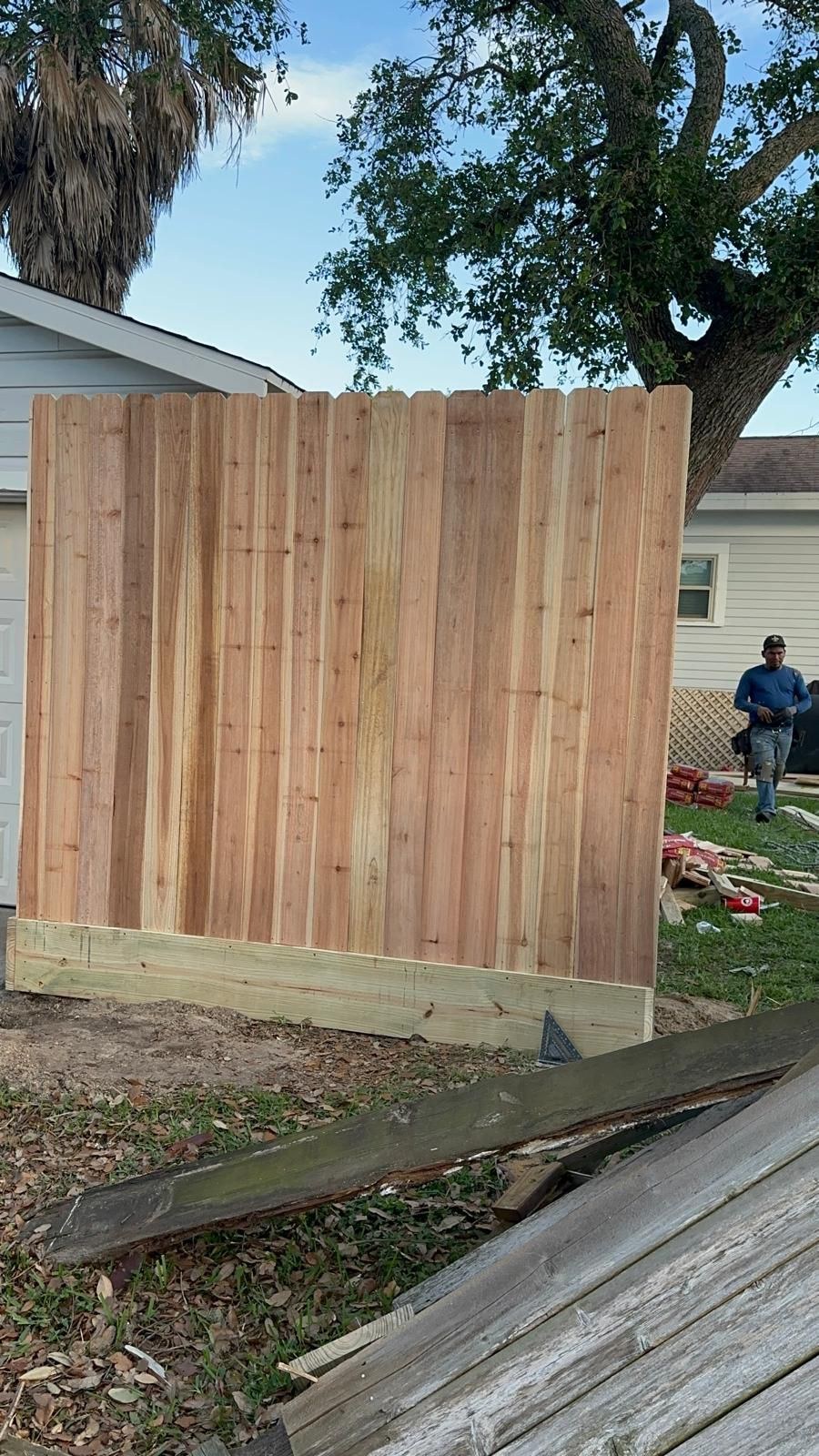
| Wood (cedar, pine) | Picket width/spacing, rail height, stain or paint color | Unfinished cedar weathers toward silver-gray, and loses roughly half its ability to hold a new film-forming finish after about 12 weeks unfinished, per WRCLA | Measure and finish the new section promptly; expect some color difference to fade in over a season rather than match on day one |
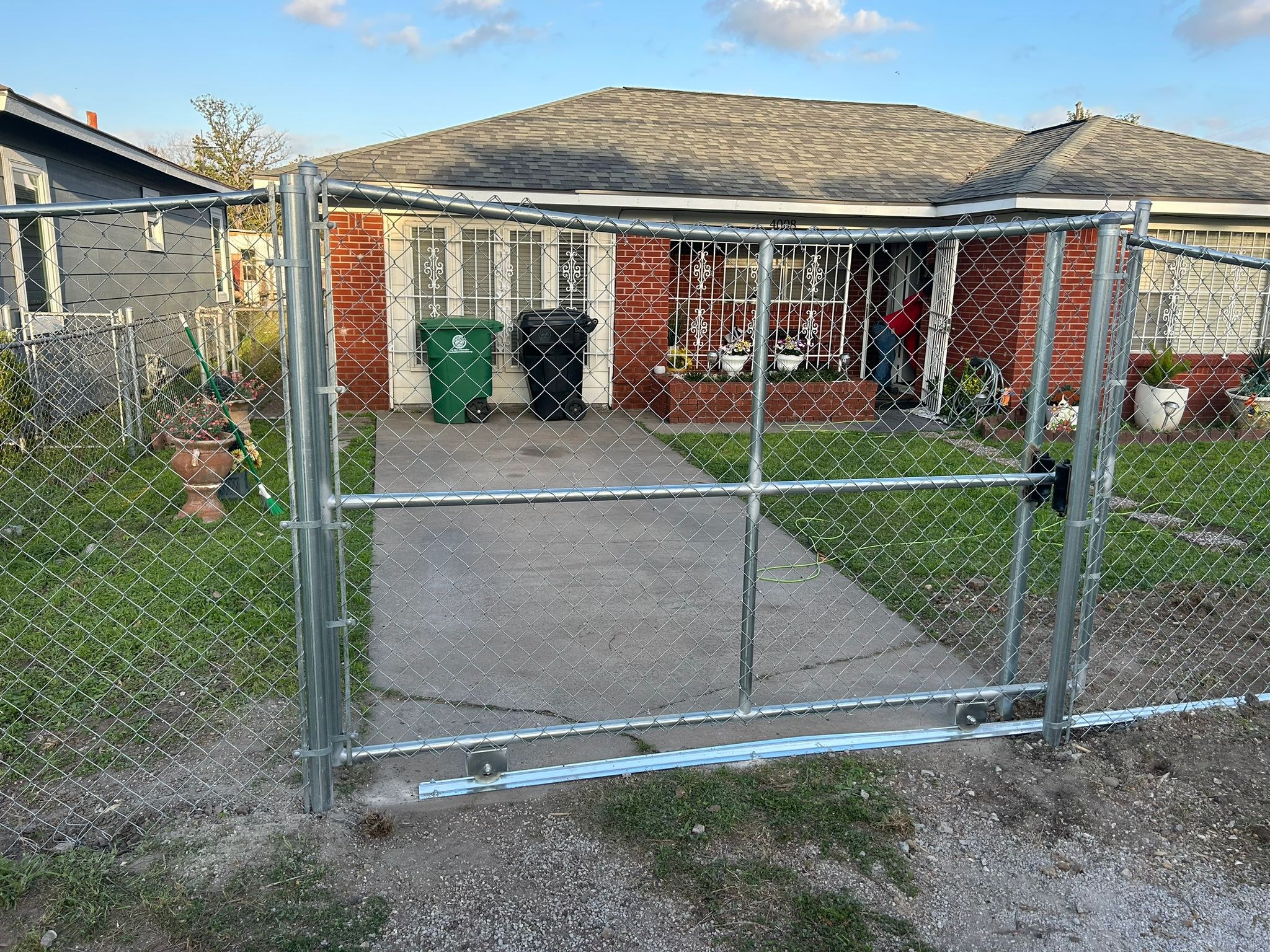
| Galvanized or painted steel (chain link, pipe) | Mesh/gauge or post size, and coating appearance | A damaged coating is field-repaired with zinc paint, solder or spray metallizing — three genuinely different processes from the original hot-dip bath, per AGA | Minimize cutting into the existing coating; expect a field-repaired patch to look slightly different up close even when done correctly |
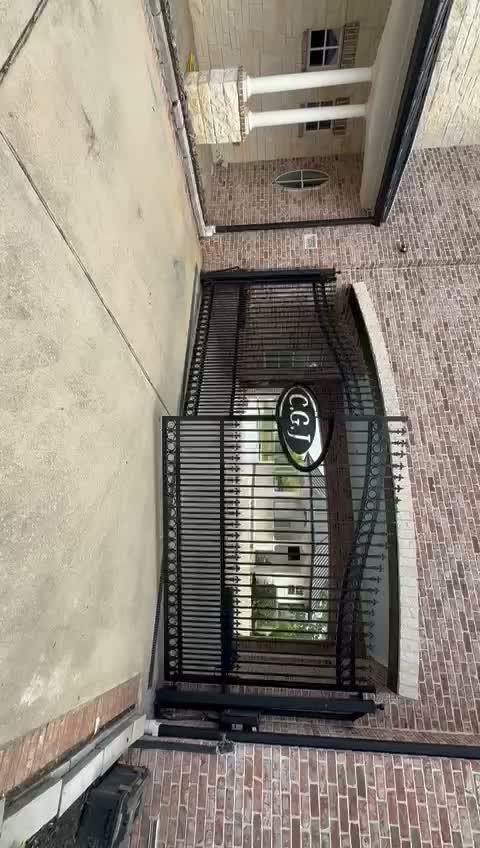
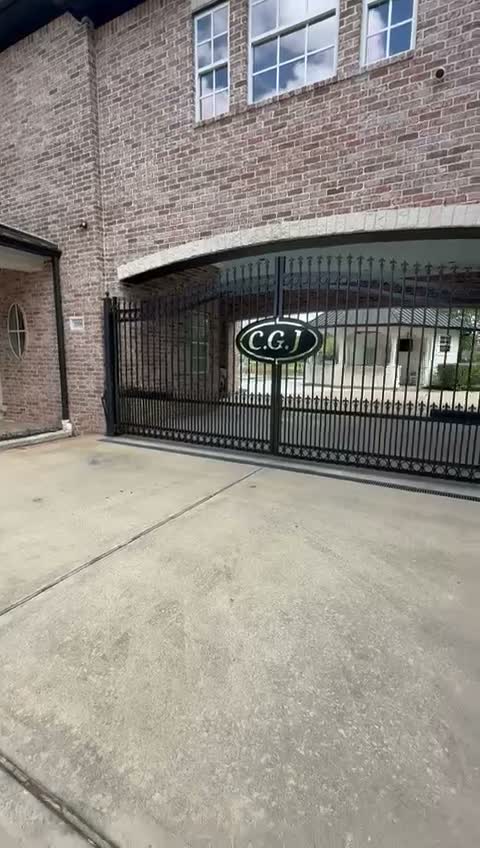
| Wrought iron / ornamental aluminum | Picket profile, finial or scroll pattern, powder-coat or paint finish | A discontinued cast pattern or hand-forged detail may not be reproducible at all | A close, complementary match is often the honest goal rather than a promised perfect one |
| Vinyl (PVC) | Panel profile, picket spacing, color | Manufacturers periodically change profiles and colors; an older run can be discontinued | Confirm the exact profile and color are still in production before ordering a matching section |
Wood and galvanized-steel rows: WRCLA, “Proper Finishing of Cedar for Exteriors and Interiors”; American Galvanizers Association, “Repairing HDG Steel” (both retrieved 2026-10-19). Iron and vinyl rows reflect general fabrication practice; no comparably specific manufacturer figures were found to cite for those two materials.
Wood: timing matters as much as stain color
With a cedar or pine fence, color is only part of the problem — timing is the other part. WRCLA, the Western Red Cedar Lumber Association, recommends finishing new cedar within about two weeks of installation, and warns that unfinished cedar left to weather for just twelve weeks loses roughly half its ability to hold a film-forming stain or paint. That means a new picket spliced into an existing unfinished run can end up taking a finish differently than the surrounding wood within a few months, even if the stain color itself is an exact match in the can. If the existing fence has already gone gray and unfinished for a long stretch, matching it with a fresh, unfinished picket means accepting a visible difference for a while, not a flaw in the work.
When an exact match isn’t realistic — or is required by the city
Some original materials or finishes genuinely aren’t reproducible: a discontinued cast-iron pattern, a historic hand-forged detail, or a specific weathered color that can’t be replicated on new material. In those cases, the more honest approach is usually a close, complementary match rather than promising a perfect one, discussed before the work starts so expectations are set correctly. In Galveston’s historic district, though, matching isn’t just a preference — the City’s own Design Standards for Historic Properties bar mixing wood and metal fence styles and require photos of the existing fence or gate to be submitted with certain permit applications, so a style mismatch there can be a design-review problem, not just an aesthetic one.
Does your matching project need a historic-district check?
Answer two questions for general orientation. This isn’t a permit determination — always confirm with the City of Galveston before ordering materials.
City of Galveston, Design Standards for Historic Properties (Ch. 3) and Fence Permit Application; WRCLA finishing guidance. Planning reference only — confirm with the city before ordering.
What Galveston customers say
5.091 Google reviews · read them all on Google
I have hired Mustang fencing services to fix my backyard fencing. Good wood to used. I really like theirs work. Best of luck
We just installed iron gate and it looks amazing thank you very much mustang fencing .
Fenomenal job, really nice guy. Contacted them after hurricane knocked down my fence facing the street and got it done really quickly.
Reviews shown word for word from the Mustang Fencing Services Google Business Profile (Galveston), captured 2026-10-19.
Questions we get about this
Can a new fence section be made to exactly match an older one?
How long do I have to stain a new cedar fence so it matches an older section?
Can a damaged section of galvanized fence be repaired to match the rest?
Does Galveston require a new fence to match an existing one?
What should I bring to an estimate for a matching repair or addition?
Sources
Checked October 19, 2026. Rules change, so confirm with the City before you build.
- Western Red Cedar Lumber Association (WRCLA), “Proper Finishing of Cedar for Exteriors and Interiors” (continuing-education course) — Unfinished cedar weathers to a silver-gray color; loses about 50% of its ability to hold a film-forming finish after 12 weeks unfinished; WRCLA recommends finishing within 2 weeks of installation.
- American Galvanizers Association, “Repairing HDG Steel” — The three ASTM A780-approved field-repair methods for damaged hot-dip galvanized coatings (zinc-rich paint, zinc solder, metallizing) and their thickness limits; advises minimizing field fabrication that removes the coating.
- City of Galveston, Design Standards for Historic Properties (Chapter 3: fences; administrative approval) — Administrative approval bars mixing wood and metal fence styles in the historic district; other approval criteria by fence location and material.
- City of Galveston, Fence Permit Application — Historic district question requires attaching photos of the existing fence and the proposed design.
Need a fence or gate section matched to what you already have?
We’ll measure your existing fence or gate on site and tell you honestly what will match exactly, what will come close, and what won’t be reproducible.