
Should I Take My Fence Down Before a Hurricane?
Usually no — and often you can’t. A properly installed fence post is embedded at least 24 in. in a concrete footing (ASTM F567), which makes “taking it down” a demolition job, not a storm-prep task. What is actually within your control before a storm is narrower, and this page sorts it out.
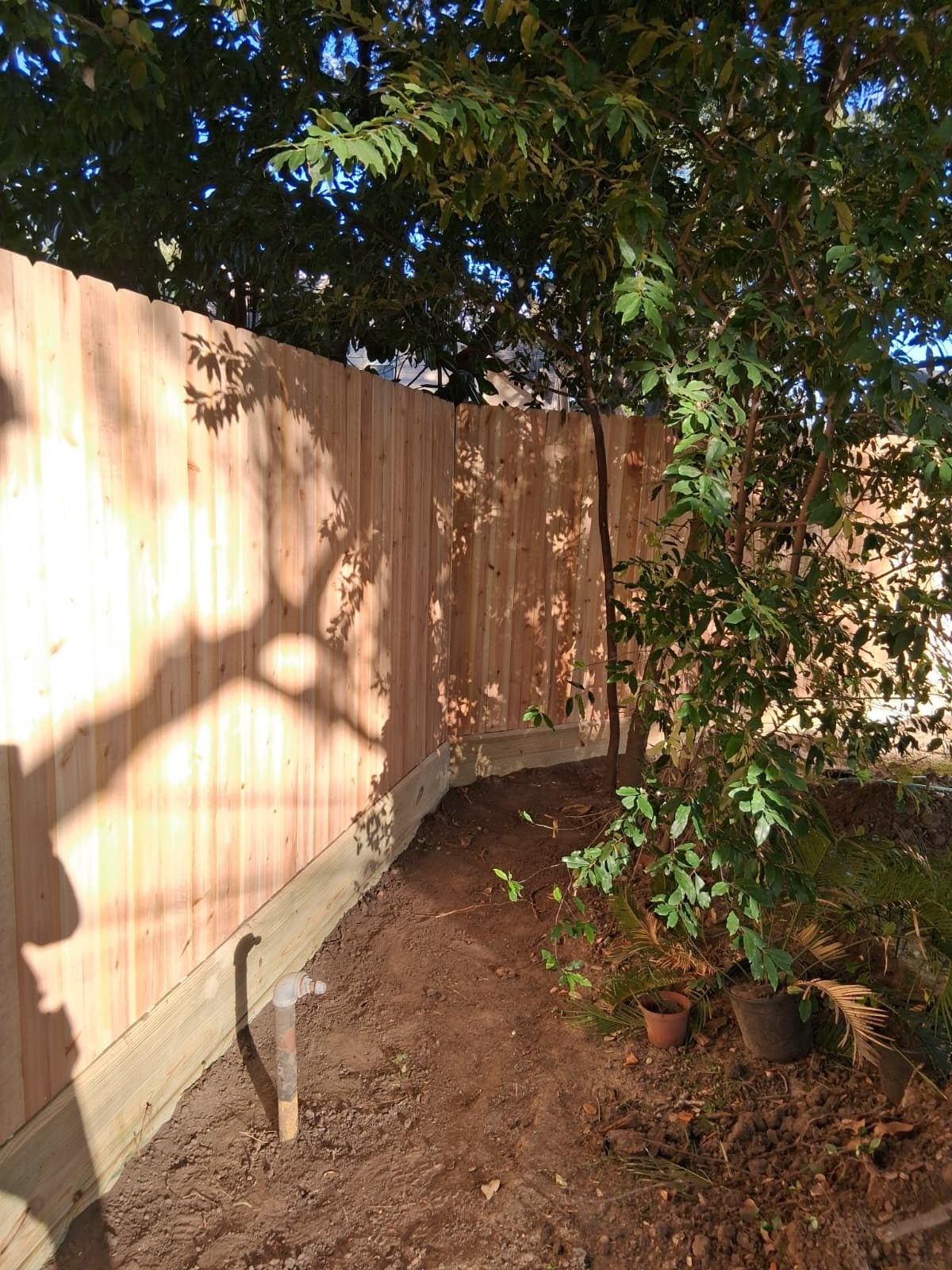
A fence set in concrete footings isn’t a seasonal structure — CLFMI’s own wind-load guide treats the post as “a vertical cantilever, fixed at its base to the footing and ground,” embedded at least 24 in. per ASTM F567. Removing it means digging out that footing, which is a rebuild, not a storm-prep checklist item. The parts of a fenced yard that actually are within your control before a storm: the gate (liftable off its hinges or latched/chained shut), anything decorative attached to the fence (lights, trellis panels, planters), and any section that’s already visibly damaged, which is worth pulling now rather than leaving for the wind to finish.
Sources: CLFMI Wind Load Guide WLG 2445; NHC Tropical Cyclone Report, Hurricane Ike (AL092008).
Why “take the fence down” usually isn’t the real option
The question comes from a reasonable place — boarding windows and bringing in loose yard items are standard storm prep, so a fence can feel like it belongs on the same list. But a residential fence post isn’t sitting on top of the ground the way a patio chair is. CLFMI’s wind-load guide (the same guide used across our hurricane-prep pages) models the post as “a vertical cantilever, fixed at its base to the footing and ground,” with a minimum embedment depth of 24 in. per ASTM F567 — more by calculation, up to a 12 ft maximum. That post is anchored in poured concrete. Taking it out means breaking out that footing, and putting it back means redoing it — not a same-day, pre-storm task for an intact fence.
Even products marketed around wind resistance make the same point from the other direction. Illusions Vinyl Fence’s own 75 MPH Wind Kit instructions certify a wind rating only when specific heavy-duty posts are set to specific minimum hole depths with a certified adaptor kit — the rating is a property of how the fence is permanently installed, not a feature of a panel designed to be removed and put back.
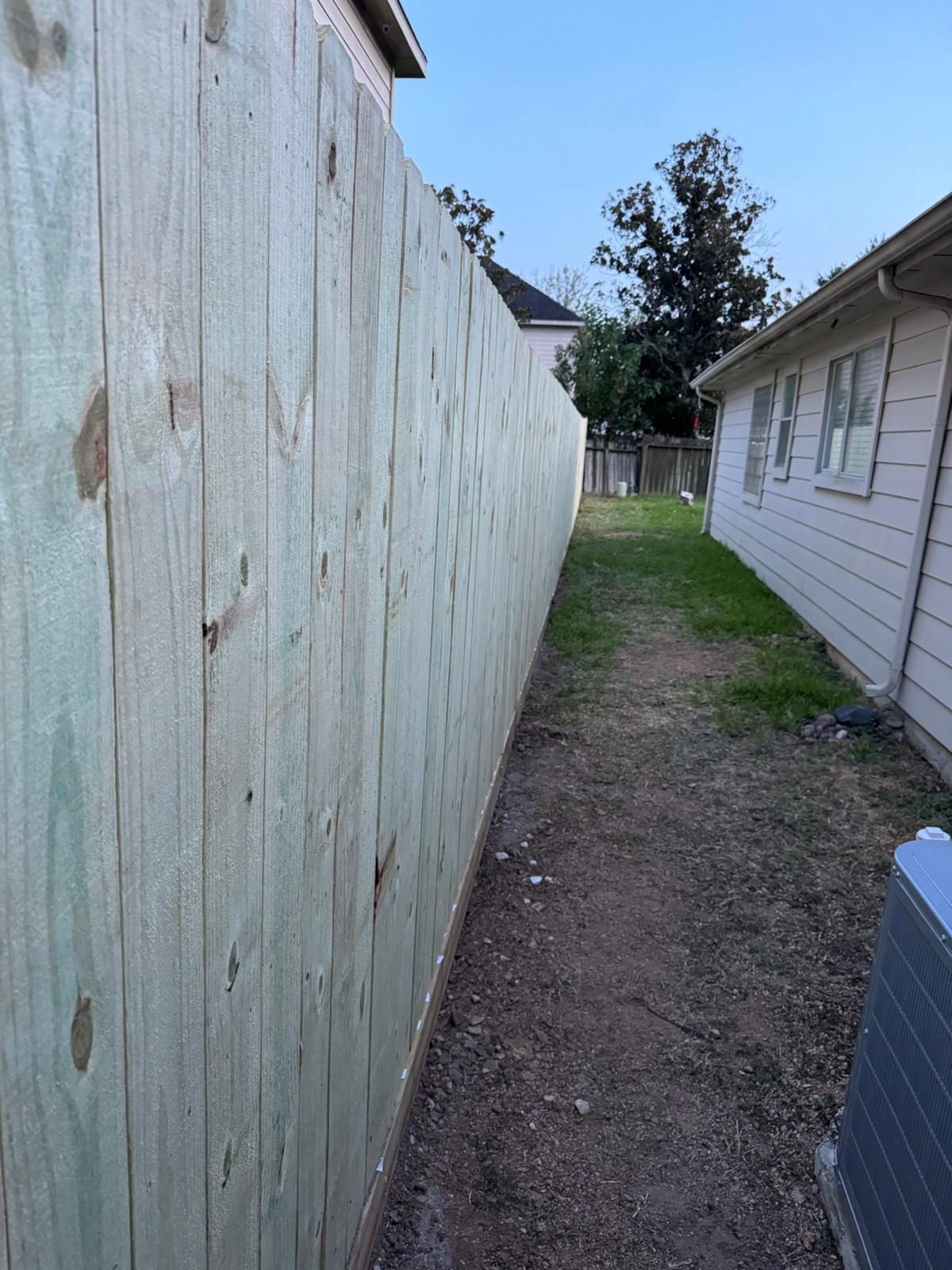

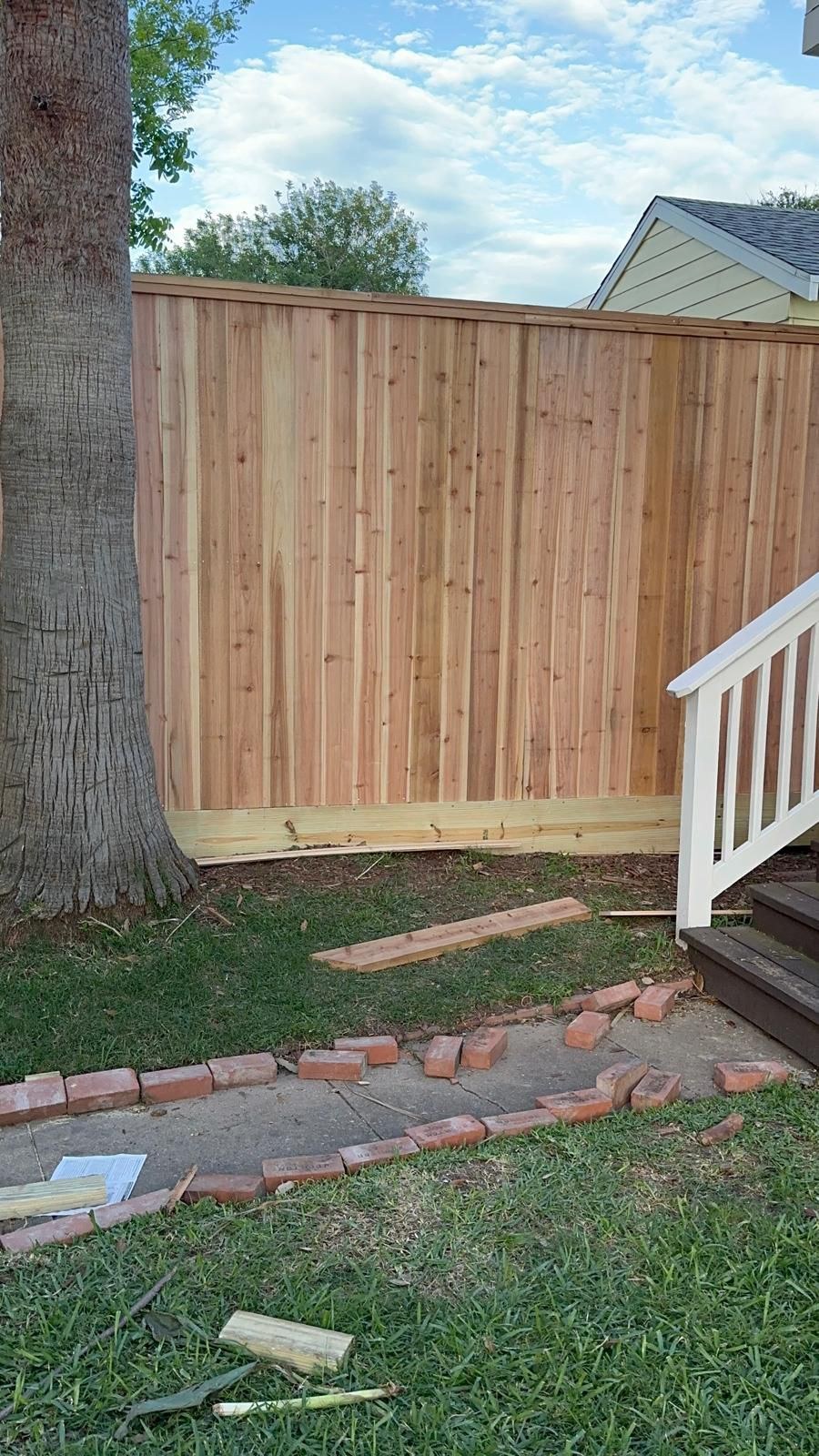
Before-the-storm fence checklist
Answer these about your own fence. None of this estimates wind speed or predicts survival — it only sorts what’s actually within your control before a storm from what isn’t.
Sources: CLFMI Wind Load Guide WLG 2445 (post-as-cantilever model); Illusions Vinyl Fence 75 MPH Wind Kit instructions (wind rating tied to fixed installation, not removability); post-hurricane-fence-inspection-checklist (gate hinge post load).
What Galveston customers say
5.091 Google reviews · read them all on Google
True professionalism is very rare in this day and age, these guys live upto their word and deliver on their service! Our fence was down in the July storm and these guys came and gave a reasonable quote, after confirming I received a time line and they delivered! Will recommend them to everyone I know who needs fencing done.
Fenomenal job, really nice guy. Contacted them after hurricane knocked down my fence facing the street and got it done really quickly.
Excellent work. They came in handy after the hurricane hit our backyard. Friendly people too.
Reviews shown word for word from the Mustang Fencing Services Google Business Profile (Galveston), captured 2026-10-26.
Questions we get about this
Should I take my fence down before a hurricane?
Should I take the gate off before a storm?
What should I actually remove before a hurricane?
Is there a fence designed to be taken down before a storm?
What about a section that’s already damaged?
Sources
Checked October 26, 2026. Rules change, so confirm with the City before you build.
- National Hurricane Center, Tropical Cyclone Report, Hurricane Ike (AL092008) — Galveston Island landfall details; highest sustained wind and gust recorded near Galveston; seawall/storm-surge description for the city of Galveston.
- Chain Link Fence Manufacturers Institute, Wind Load Guide for the Selection of Line Post Spacing and Size (WLG 2445, 2018) — Post-as-cantilever model; ASTM F567-referenced minimum footing embedment depth of 24 in.
- Illusions Vinyl Fence, 75 MPH Wind Kit Installation Instructions — Wind certification tied to specific heavy-duty posts and minimum hole depths — a property of fixed installation, not a removable design.
- Mustang Fencing Services, Post-Hurricane Fence Inspection Checklist — Identifies the gate hinge post as the point carrying the most load on a gated fence section (sourced there to CLFMI WLG 2445).
Not sure what your fence needs before storm season?
We’ll take a look at your gates, hardware, and any weak spots, and tell you plainly what’s worth doing now versus what can wait.