
Building a Strong, Private Fence for Dan Hirsch in Santa Fe, TX
Dan wanted privacy and durability for his Santa Fe property, replacing an older fence that had worn out. Here is the 6.5-foot privacy pine fence with a rot board Mustang built him, and why the new posts went in deeper than the old ones.
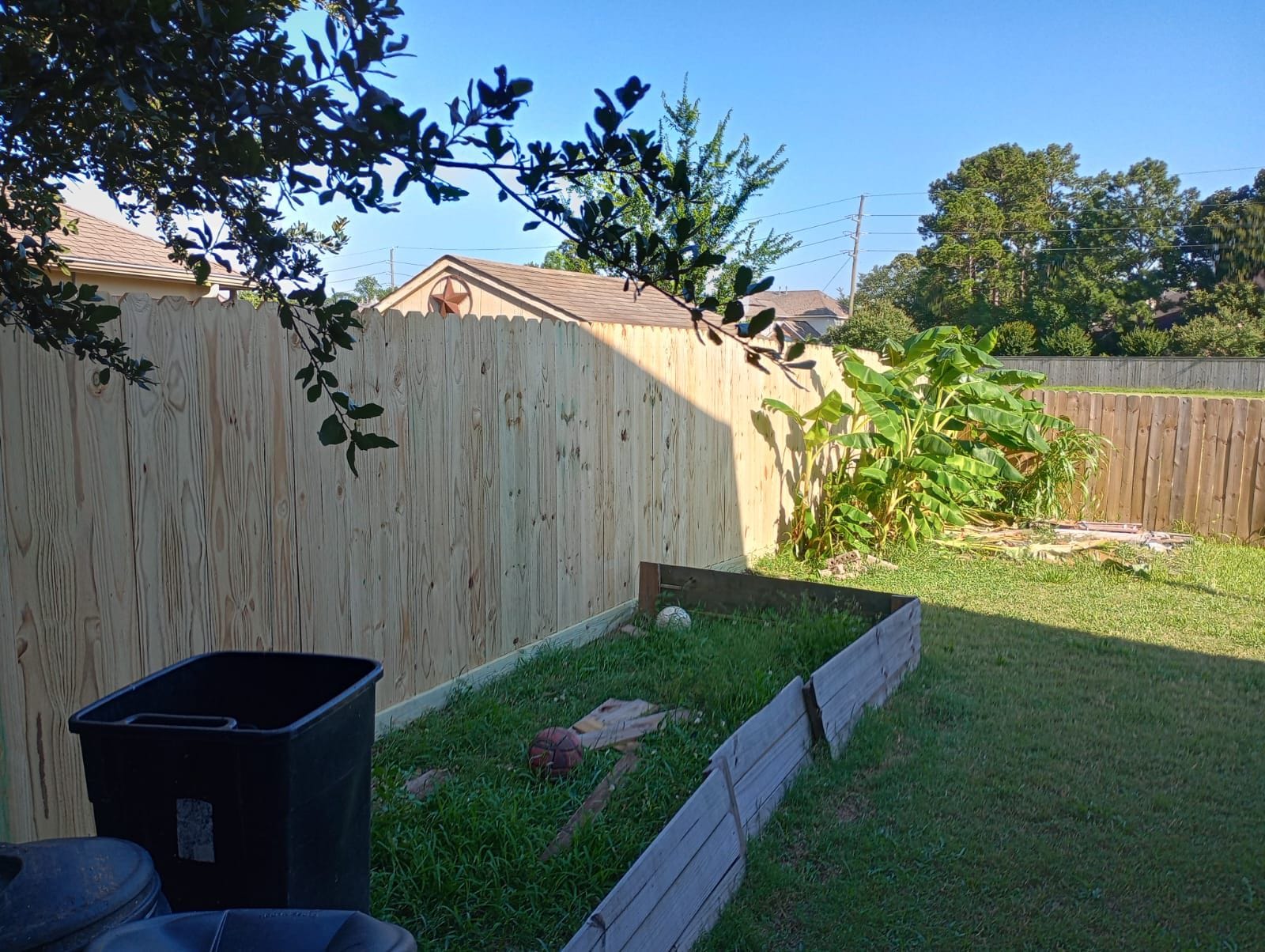
Mustang Fencing installed a 6.5-foot privacy pine fence with a rot board for Dan Hirsch in Santa Fe, TX, replacing an older fence that had significant wear and tear. Treated pine was chosen for durability and cost-effectiveness, the rot board adds moisture protection along the base, and the posts were set deep enough to withstand high winds — the fact behind the footing-depth sheet and tool below.
Sources: Chain Link Fence Manufacturers Institute (CLFMI), Wind Load Guide WLG 2445; Southern Forest Products Association, Pressure-Treated Southern Pine (2019 ed.). Checked November 3, 2026.
The job: a 6.5-foot privacy pine fence with a rot board
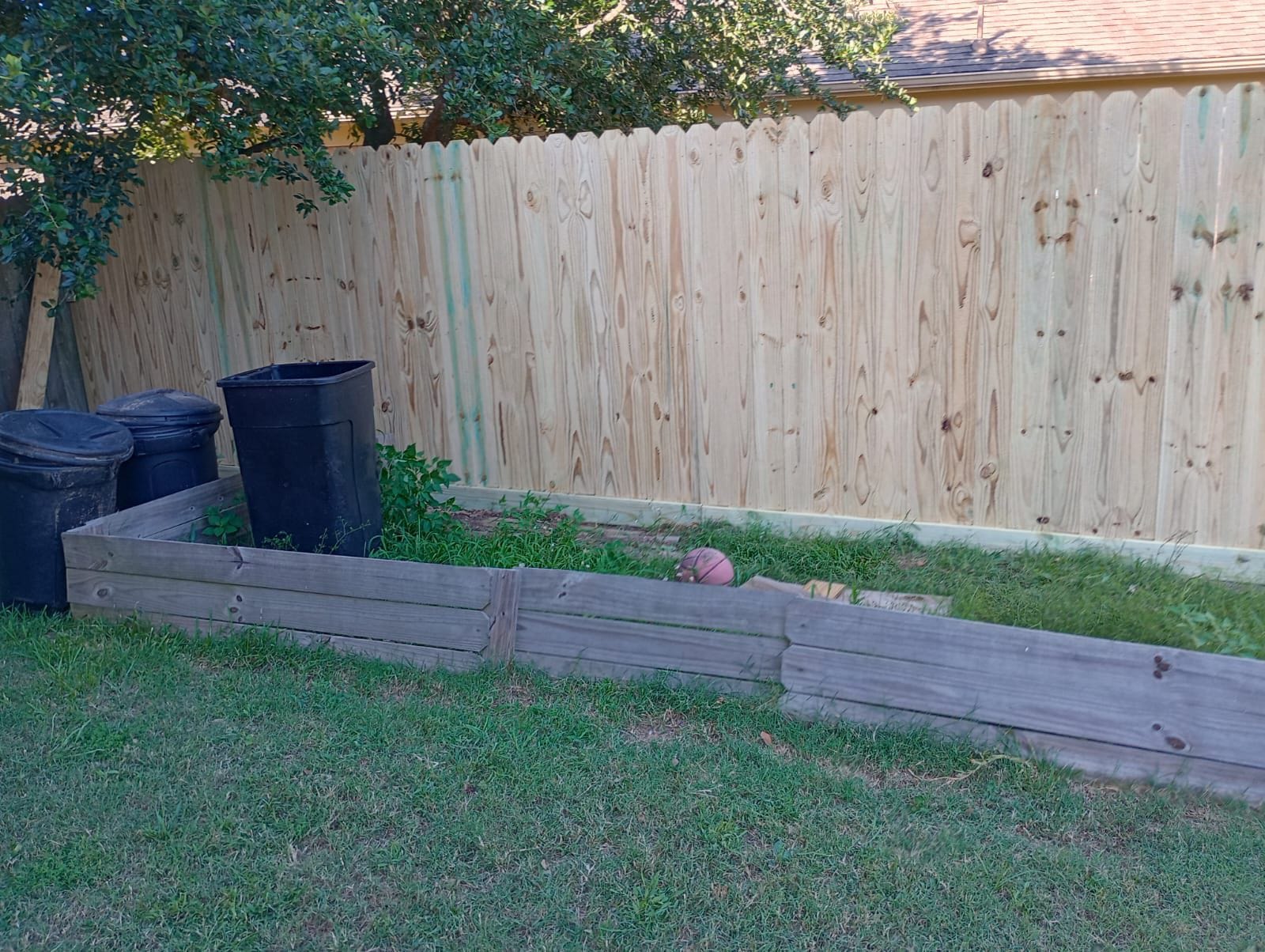
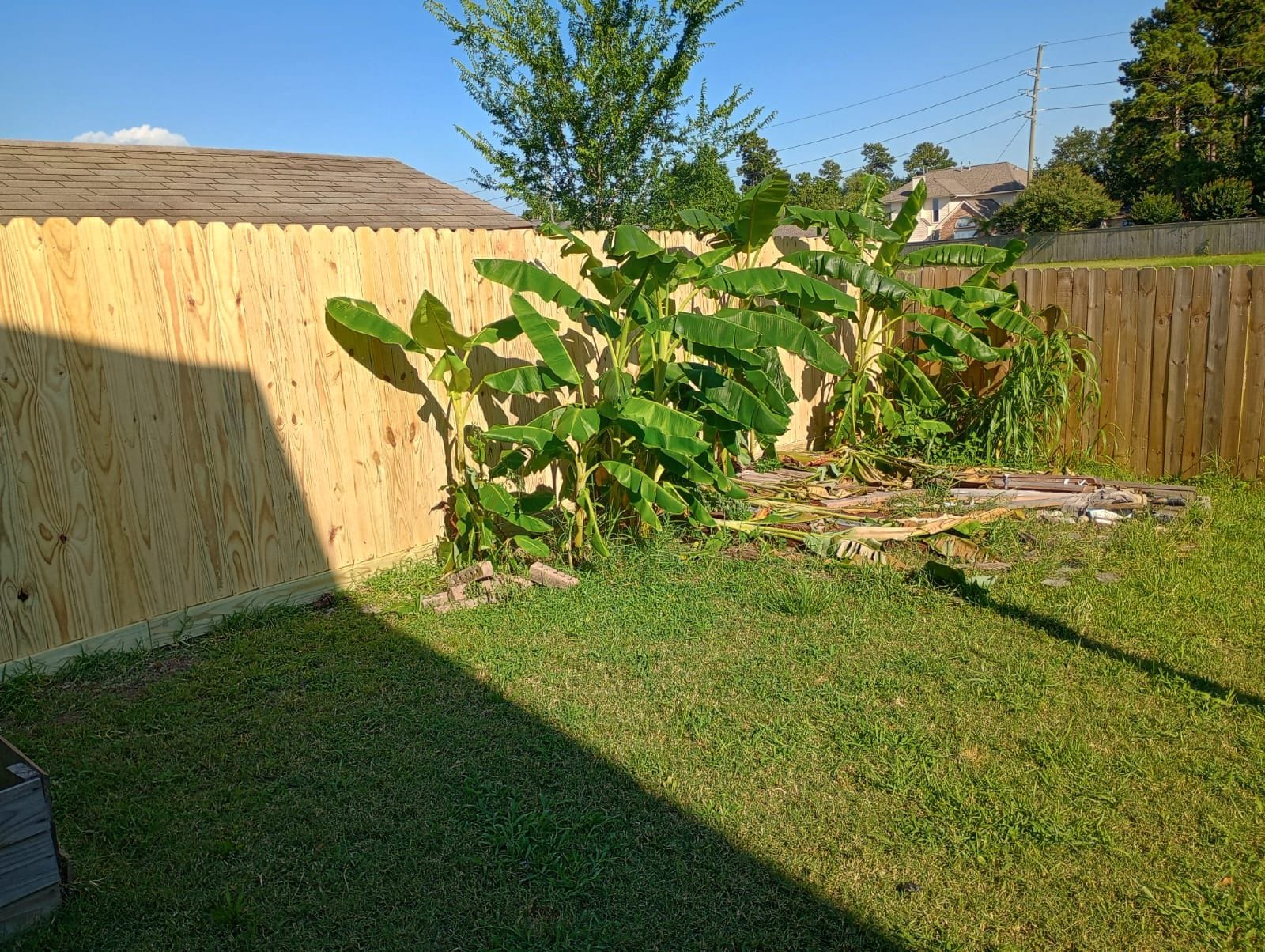
Dan Hirsch’s existing fence had begun showing significant wear and tear, and he wanted a replacement that would hold up to Santa Fe’s weather while keeping his yard private. Mustang Fencing installed a 6.5-foot privacy pine fence with a rot board, choosing treated pine for its durability, cost-effectiveness and natural look.
The rot board runs along the base of the fence, between the ground and the fence boards, adding an extra layer of moisture protection in the zone that stays dampest. The new posts were set deep enough to withstand high winds, which can be an issue in the Santa Fe area.
Why the new posts went in deeper
A fence post works like a vertical cantilever: it is fixed at the bottom, and any wind hitting the fence panel pushes against that fixed base, trying to tip the post over at ground level. The Chain Link Fence Manufacturers Institute’s wind-load guide analyzes a fence post exactly this way, and references a 24-inch minimum footing embedment depth (tied to ASTM F567) as the baseline for a cantilevered fence post to resist that overturning force. That is the same principle behind setting Dan’s posts deep enough to withstand high winds.
Post footing depth check (baseline)
Checks a planned post footing depth against the baseline minimum CLFMI’s wind-load guide references for a fence post treated as a vertical cantilever — not a substitute for a site-specific soil and wind check by your installer.
Baseline: a minimum 24 in. footing embedment depth, referenced to ASTM F567, for a fence post analyzed as a vertical cantilever fixed at its base. Per Chain Link Fence Manufacturers Institute, Wind Load Guide for the Selection of Line Post Spacing and Size (WLG 2445, 2018). Open, wind-exposed, or sandy-soil sites can call for more than this baseline — ask your installer.
What customers say on Google
5.091 Google reviews · read them all on Google
Amazing work will go ahead and recommend everyone in friends and family We installed 8ft tall double sided stained cedar wood fence in our backyard, it’s really looks great, installed perfectly nice finishing and cost effective, thanks mustang fencing.
Installed Stained cedar wood fence yesterday by mustang fencing, thanks for the beautiful work.
I have hired Mustang fencing services to fix my backyard fencing. Good wood to used. I really like theirs work. Best of luck
Reviews shown word for word from the Mustang Fencing Services Google Business Profile (Galveston), captured 2026-11-02.
Questions we get about this
What did Mustang Fencing build for Dan Hirsch?
Why pine, and why a rot board?
Why were the posts set deeper than usual?
What makes pressure-treated pine resist decay?
Does Mustang Fencing serve Santa Fe, TX?
Sources
Checked November 3, 2026. Rules change, so confirm with the City before you build.
- Chain Link Fence Manufacturers Institute, Wind Load Guide for the Selection of Line Post Spacing and Size (WLG 2445, updated Jan. 2018) — Post-as-cantilever overturn analysis; ASTM F567-referenced 24 in. minimum footing embedment depth, used here only for that baseline fact, not the guide’s chain-link-specific spacing tables.
- Southern Forest Products Association, Pressure-Treated Southern Pine (2019 ed.) — General durability guidance for pressure-treated Southern Pine used in exterior fence construction.
Need a privacy fence that can handle Santa Fe winds?
We’ll set the posts to a depth that fits your site before any order goes on a written estimate.