
How Do I Know If I Should Repair or Replace My Gate?
A sagging or sticking gate is sometimes a hinge or bracing fix, and sometimes the post itself is past the point a repair can reach. Here is what decides which one you are looking at, with the published service-life and decay-resistance numbers behind it.
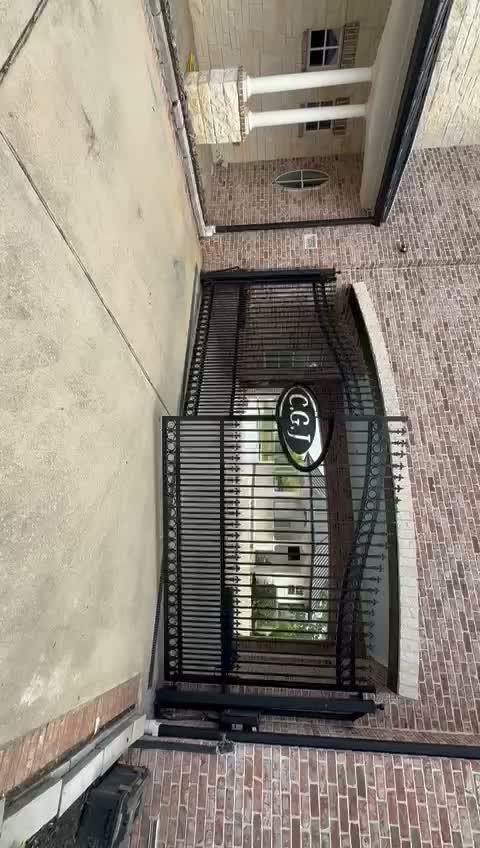
Start with the post, not the hardware. A gate hinge or latch can usually be adjusted, braced or swapped. A post is a different story: a buried galvanized steel post has an estimated service life of decades, not years, and a wood post’s ground-contact rating depends on its decay-resistance category. If the post itself is rusted through or decayed at the grade line, no amount of hinge work restores it — that is a replacement, not a repair.
Sources: American Galvanizers Association; USDA Forest Products Laboratory Wood Handbook (2021), Ch.14; CLFMI Product Manual 32 31 13, Table 2.
The post decides it more often than the hardware does
Most gate complaints start the same way: it drags, it will not latch, or it has started to sag at the corner. Why is my gate sagging? walks through the two usual causes of that — worn hinge hardware, or a frame racked from missing diagonal bracing — and both are fixable without touching the post.
The question on this page is a step before that: is the post itself still sound? That depends on what it is made of and how long it has been in the ground, and the two materials are judged by different published standards.
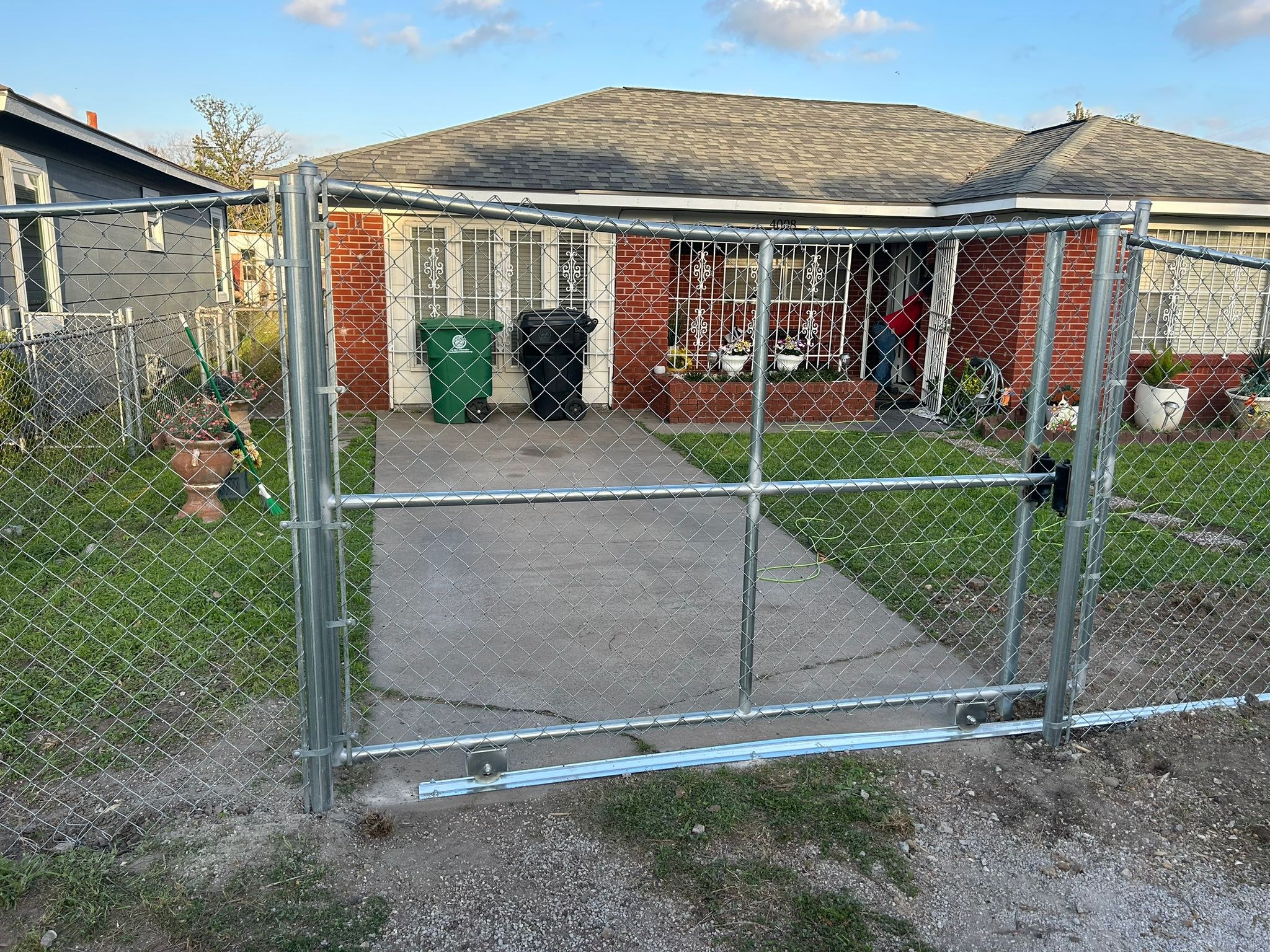
Galvanized steel posts: a decades-long estimated service life
The American Galvanizers Association publishes service-life estimates for buried hot-dip galvanized steel based on soil corrosion research. With a typical 3.9 to 5 mil zinc coating, the estimate runs from 35 to 50 years in the harshest soil conditions up to 75 years or more in less corrosive soil — measured as the years to full coating corrosion, plus a margin for the steel underneath.
That is a wide range because soil pH, moisture and chloride content all move the number. What it means in practice: a galvanized post with its coating still intact, even if the hardware above it is worn out, is well within a normal repair window. A post with visible red rust right at the grade line — where soil meets air, the zone that corrodes fastest — is a different conversation.
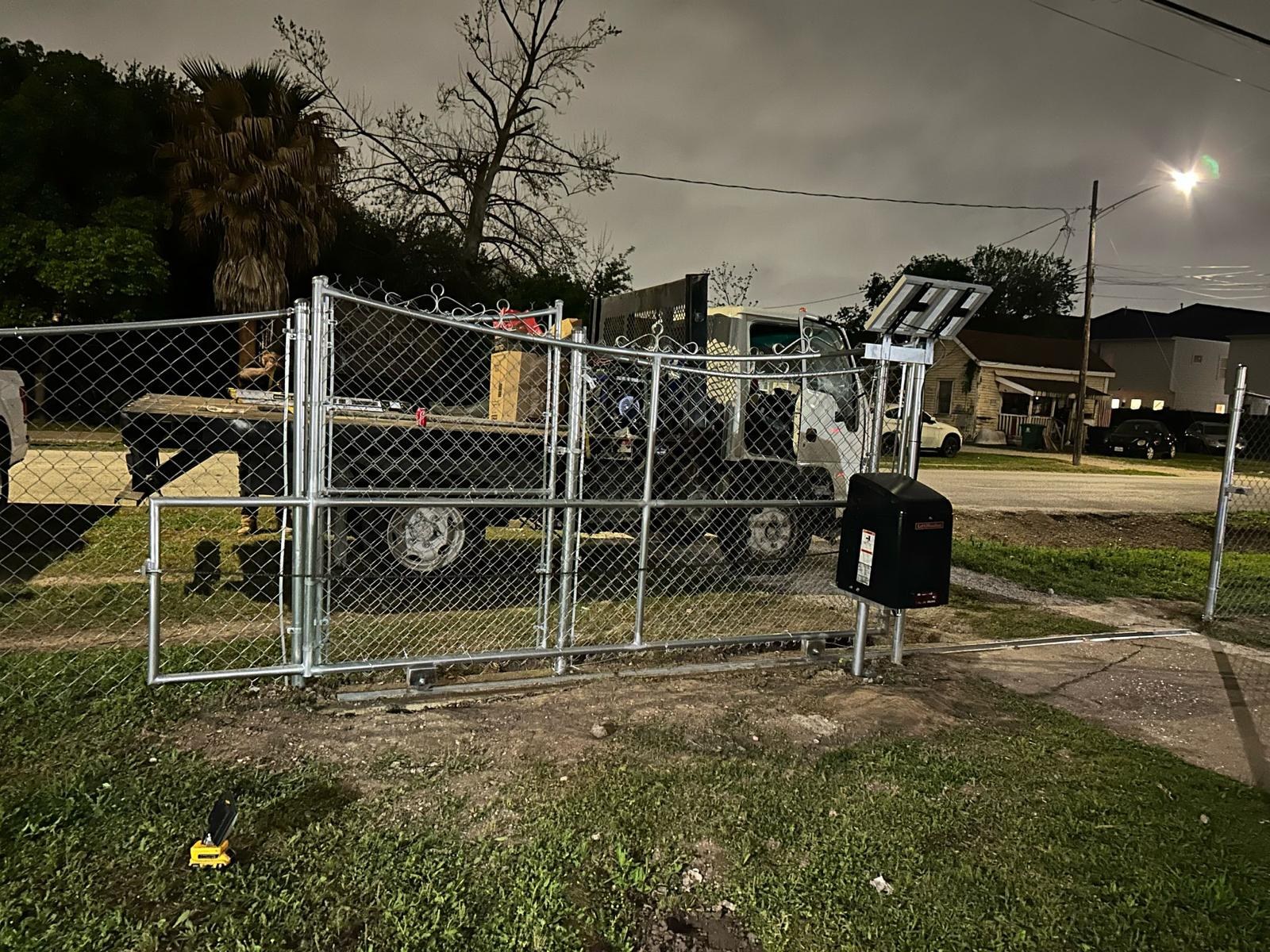
Wood posts: only one decay-resistance category is ground-rated
Wood works differently. The USDA Forest Products Laboratory’s Wood Handbook groups species by heartwood decay resistance into four categories: very resistant, resistant, moderately resistant, and slightly or nonresistant. Only the very-resistant category “generally gives satisfactory performance in contact with the ground” without any added treatment. The other three categories “will usually require some form of preservative treatment” to hold up where the post meets the soil.
In practice, that means an untreated gate post is only safe to leave in the ground long-term if it is a naturally very-resistant species, or if it has been pressure-treated to meet that same ground-contact standard. Softness or crumbling at the grade line on anything else is a decay signal, not a hinge problem.
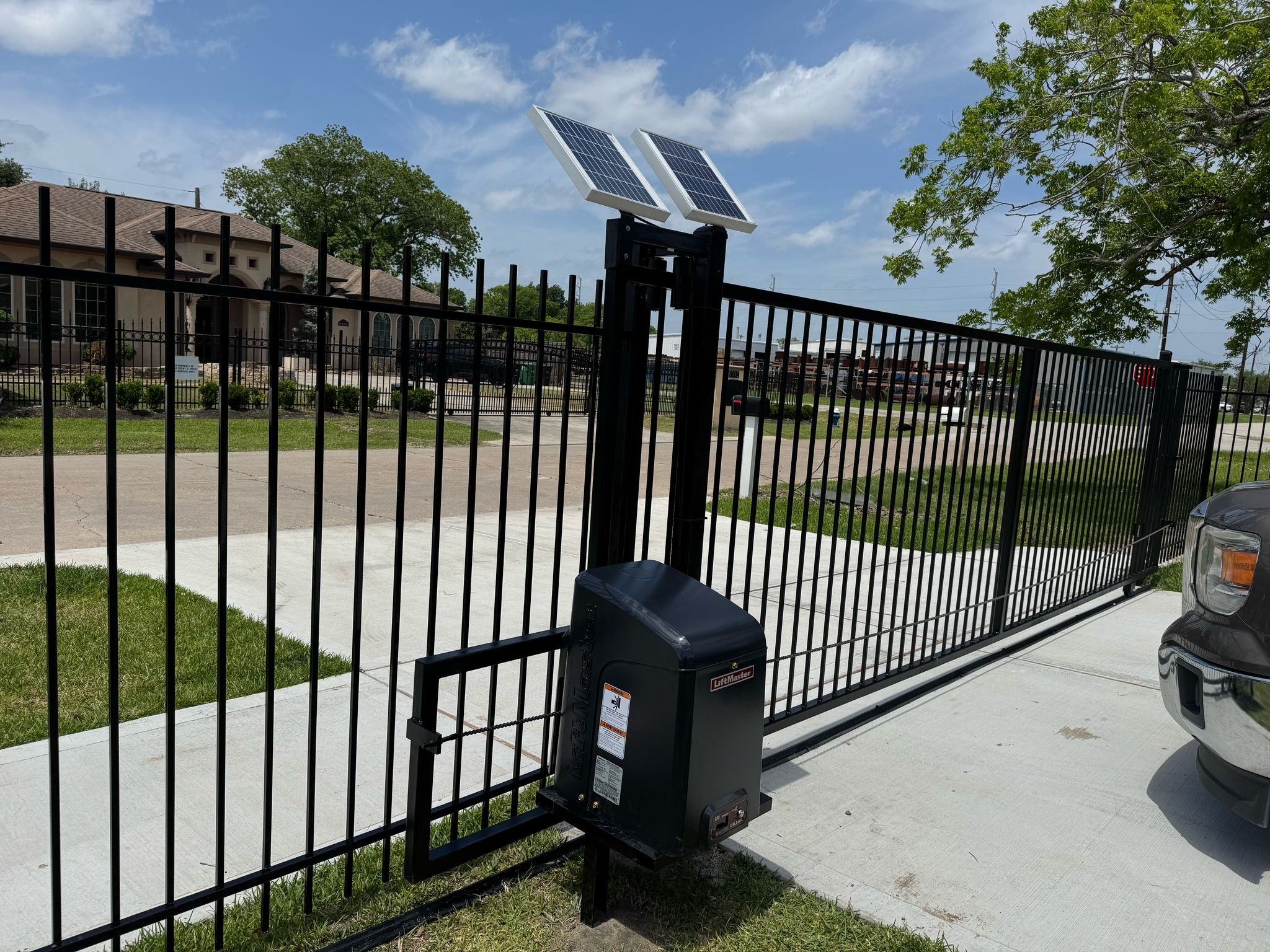
What does your gate post’s material tell you?
Pick what the post below your gate is made of. Shows the published service-life or decay-resistance fact for that material — not a diagnosis of your specific post.
Sources: American Galvanizers Association, “Performance of Galvanized Steel in Different Environments” (buried-steel service life); USDA Wood Handbook (2021), Ch.14, Table 14-1 (wood decay resistance by species group).
What customers say on Google
5.091 Google reviews · read them all on Google
We just installed iron gate and it looks amazing thank you very much mustang fencing .
Very professional and friendly. Gotten automatic gates done and they are done to perfection! Thank you
True professionalism is very rare in this day and age, these guys live upto their word and deliver on their service! Our fence was down in the July storm and these guys came and gave a reasonable quote, after confirming I received a time line and they delivered! Will recommend them to everyone I know who needs fencing done.
Reviews shown word for word from the Mustang Fencing Services Google Business Profile (Galveston), captured 2026-11-07.
Questions we get about this
How do I know if my gate needs a repair or a full replacement?
How long does a galvanized steel gate post last in the ground?
Which types of wood are safe for a gate post set in the ground?
Why is my gate post a different size than the rest of the fence posts?
Can a sagging gate be fixed without replacing the post?
Sources
Checked November 7, 2026. Rules change, so confirm with the City before you build.
- American Galvanizers Association, “Performance of Galvanized Steel in Different Environments” — Estimated service life of buried hot-dip galvanized steel: 35–50 years in the harshest soils, 75+ years in less corrosive soil, for a typical 3.9–5 mil zinc coating.
- USDA Forest Products Laboratory, Wood Handbook: Wood as an Engineering Material, FPL-GTR-282 (2021) — Ch.14, Table 14-1: wood decay-resistance groups (very resistant, resistant, moderately resistant, slightly or nonresistant); only very-resistant heartwood is rated for untreated ground contact.
- CLFMI Product Manual 32 31 13, Chain Link Fence and Gates — Table 2 note: terminal (including gate) posts are generally one pipe size larger than the typical line post.
Not sure which side of the line your gate is on?
We can look at the post and the hardware together and tell you plainly which one is the actual problem before anything gets quoted.