
Upgrading an HOA or Community Entry Gate: RFID, Keypad or Cloud Call Box
The gate itself usually outlasts the access-control box bolted to the post. When a board decides to replace a worn keypad or add visitor management, the real choice is between three credential systems, and each one carries a different maintenance and budgeting story.
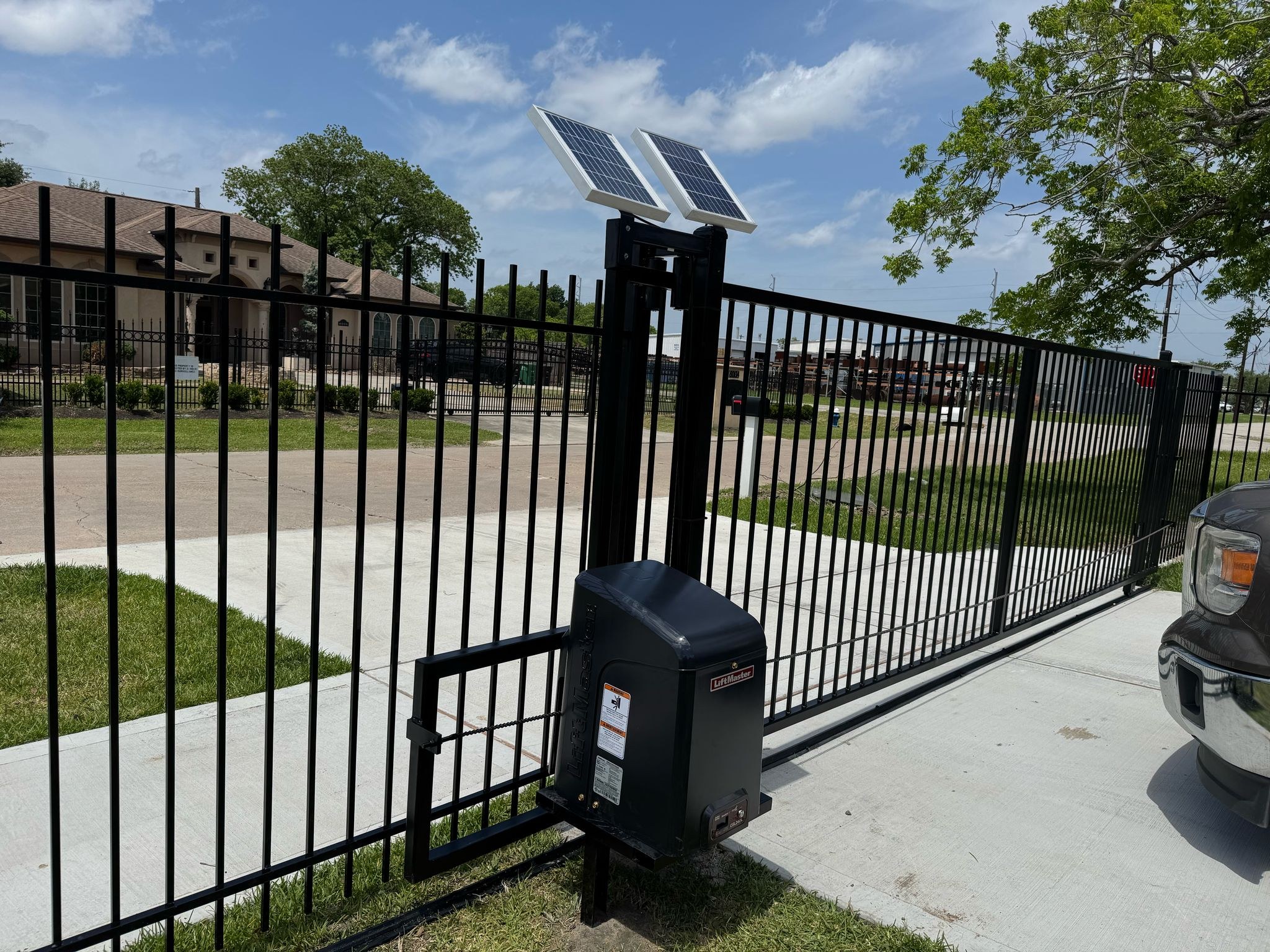
For a small, stable community with little guest or vendor turnover, a keypad is the cheapest system to own. For a gatehouse or a community of 75 or more households, an RFID or proximity card system handles volume without everyone sharing one code. For a board that wants to add and remove residents, renters and vendors without ever touching the hardware at the gate, a cloud-based call box or intercom does that, in exchange for an ongoing subscription instead of a one-time purchase.
Sources: DoorKing access-control documentation; ButterflyMX cloud intercom documentation; DASMA TDS 352 / TDS 353 (UL 325 and ASTM F2200 — see our gate-safety guide).
Why the box on the post gets replaced before the gate does
A gate itself, the posts, the hinges or the slide track, is built to outlast the house. The keypad, card reader or intercom bolted to the post is not. A numeric keypad wears at the most-used keys, and a code that was only supposed to live inside the gate gets handed to a dog walker, a delivery driver and a contractor until it is not really private anymore — see our guide on whether keypad codes are secure. Card and fob systems last longer, but a board that is still issuing physical credentials one at a time, and re-keying the whole reader when a box of old cards goes missing, is paying in volunteer or management-company time for something a cloud platform does from a browser.
The decision in front of most boards is not “repair or replace the gate.” It is which of three credential systems goes on the post next: a keypad, an RFID or proximity card reader, or a cloud-based call box or intercom. For how a credential talks to the gate operator itself, see gate remote vs. full access control.
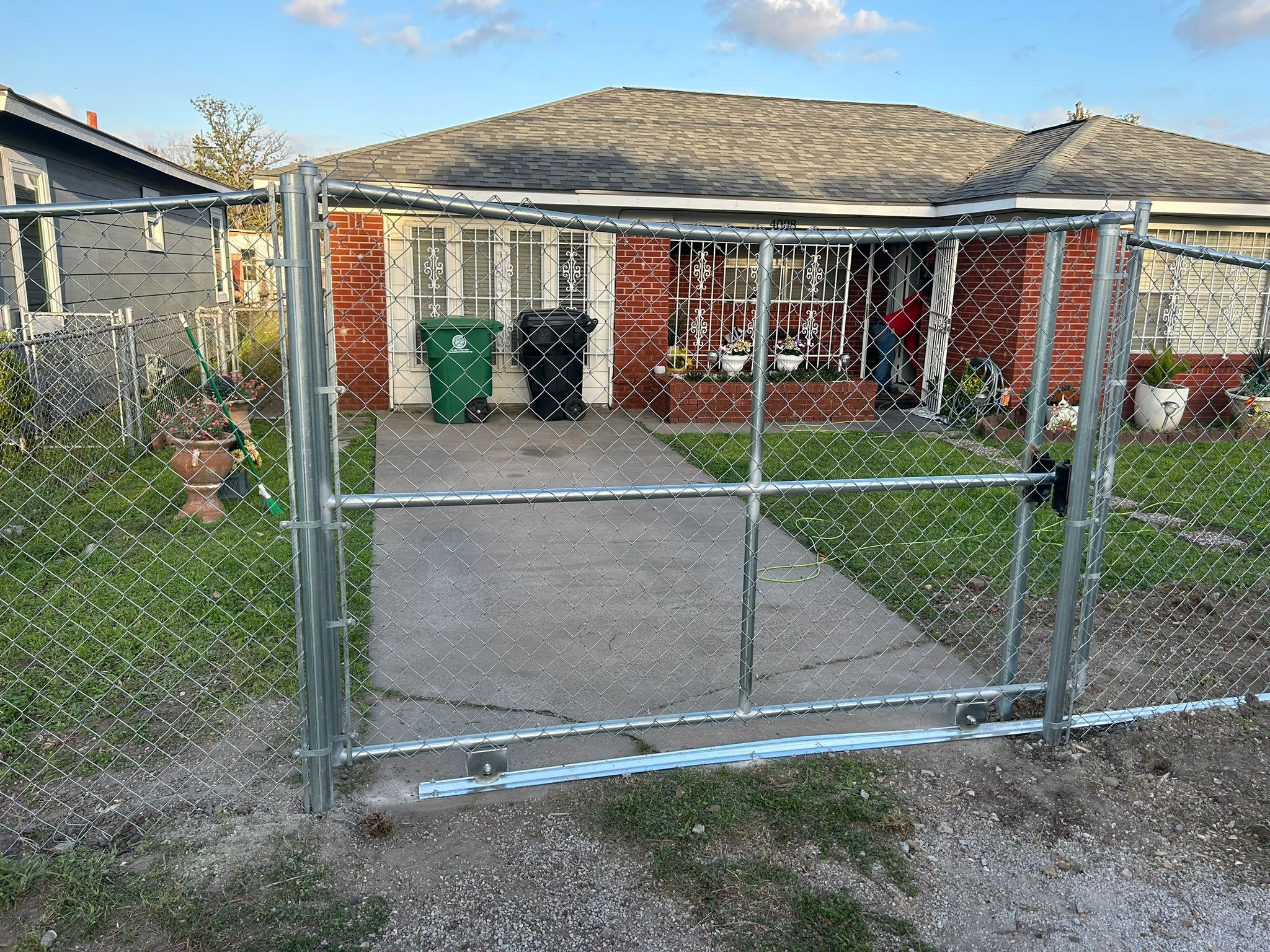
Three ways in, compared
| Keypad | RFID / proximity card | Cloud call box | |
|---|---|---|---|
| How someone gets in | Types a shared numeric code | Holds a card or fob to the reader | Is recognized through an app, or buzzed in remotely by a resident or manager |
| Adding or removing a user | Change the code, then tell everyone who still needs it | Issue or deactivate one credential at a time | Add or remove a user on the platform; no hardware visit |
| If a credential is lost | The whole shared code should change | Only that one card is deactivated | Revoked in the app; nothing physical to recover |
| What it depends on | The local keypad only | The local reader and card stock | Power and an internet or cellular connection at the gate |
Sources: DoorKing access-control product documentation; ButterflyMX cloud intercom documentation.
What to budget, and how boards usually pay for it
Replacing the credential hardware is almost always cheaper than the politics of deciding how to pay for it. Our HOA and community fencing guide covers the board-approval and budgeting side of a shared project: getting multiple bids, and deciding whether the cost comes out of the reserve fund or a special assessment. The same process applies to a gate-access upgrade.
The piece specific to credential systems is the ongoing cost. A keypad or card reader is close to a one-time hardware purchase, plus the occasional replacement card or fob. A cloud-based call box is usually billed as a subscription, in exchange for the board never touching the hardware to add or remove a user. Ask any installer quoting the project to separate the one-time install cost from whatever repeats every month, in writing, before the board votes.
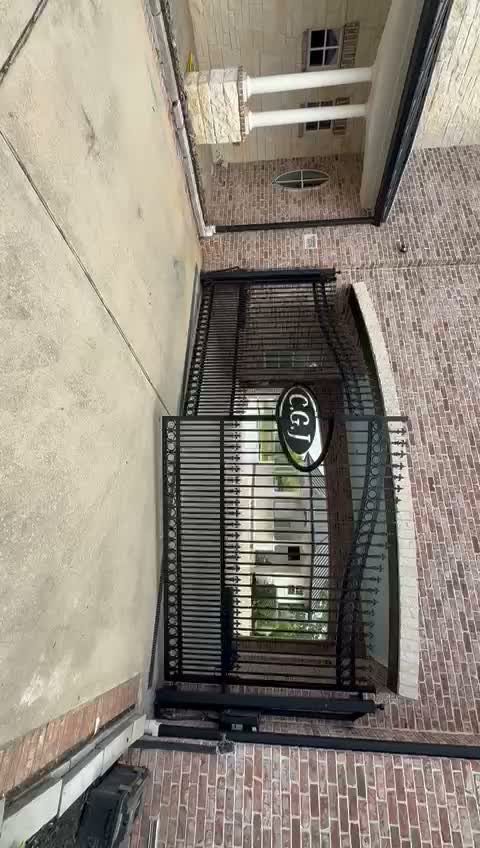
What a maintenance contract should cover
Whichever credential system opens it, the gate operator itself still has to meet UL 325 and ASTM F2200: entrapment protection, monitored safety devices, and controls kept out of reach of the moving gate (DASMA TDS 352 and TDS 353). A credential upgrade does not change that requirement, and a contract that only services the reader or call box, without ever touching the operator’s safety devices, is covering half the gate. See our full UL 325 / ASTM F2200 guide.
Ask a service contract to cover, specifically: who demonstrates the manual disconnect to the current board or property manager (DASMA TDS 352 expects the installer to show this, and boards turn over far more often than gate operators do); what happens to the controller and battery backup in a storm, since Galveston sits in a flood zone (see gate openers on a flood-prone island); and, for a cloud system, whether a power or internet outage at the gate leaves it locked open, locked closed, or falls back to a local keypad.
Which credential system fits your gate?
Answer three questions about how the gate actually gets used. This does not price anything — get bids from at least two installers once you know which direction fits.
Planning aid only, based on how each system is designed to be managed (DoorKing access-control documentation; ButterflyMX cloud intercom documentation). It does not price hardware, installation or any monthly fee — ask your installer for a bid on the system that fits.
What Galveston customers say
5.091 Google reviews · read them all on Google
Very professional and friendly. Gotten automatic gates done and they are done to perfection! Thank you
We just installed iron gate and it looks amazing thank you very much mustang fencing .
We just installed iron gate and it looks amazing thank you very much mustang fencing .
Reviews shown word for word from the Mustang Fencing Services Google Business Profile (Galveston), captured 2026-10-12.
Sources
Checked October 12, 2026. Rules change, so confirm with the City before you build.
- DoorKing, Access Control product line — credential types offered: proximity/RFID cards, RF remotes, keypad codes, and telephone/cloud-based entry.
- ButterflyMX, Gate Entry Systems — how a cloud video intercom connects a visitor to the phone of a resident, and lets a manager add or remove access from one platform.
- DASMA TDS 352, Automatic Vehicular Gate Operating Systems: Guidelines — secure controls from unauthorized use; locate controls out of reach of the gate with a full view of it; operator inside the fence line; separate pedestrian access.
- DASMA TDS 353, Vehicular Gate Operators and the ANSI/CAN/UL 325 Standard (rev. 1/25) — UL 325 entrapment-protection types and minimum quantities; controls located 6 ft from the gate; separate pedestrian access.
Upgrading your community’s gate access?
We will look at what you have now, what the board actually needs, and quote the credential system that fits. Free on-site estimates for HOAs and communities across Galveston Island and Galveston County.
Questions we get about this
What is the difference between a keypad, an RFID card and a cloud call box?
A keypad opens the gate with a numeric code that everyone with access has to know and share. An RFID or proximity card reader opens the gate when it reads a card or fob issued to one person, so a lost or returned credential can be turned off without changing anyone else’s code. A cloud-based call box or intercom connects a visitor to a resident’s phone or to a manager’s app, and lets whoever manages the system add or remove access from that app instead of reprogramming anything at the gate.
Who has to reprogram the system when a resident moves out?
With a keypad, the whole code usually has to change, because everyone who had it knew the same one — see our guide on keypad code security. With a card reader, only that resident’s card or fob is deactivated. With a cloud system, a manager removes the resident from the platform, and no one touches the hardware at the gate.
Does upgrading the credential system change the gate’s safety requirements?
No. UL 325 and ASTM F2200 govern the gate operator itself, including entrapment protection, monitored safety devices and where the controls are located, regardless of whether a keypad, a card or a cloud app triggers it (DASMA TDS 352 and TDS 353). See our UL 325 / ASTM F2200 guide.
Does a community gate need internet or a phone line for a cloud-based system?
Cloud and app-based call boxes are built around a smartphone app and an internet or cellular connection rather than a dedicated landline. Confirm the connection method and what the gate does during an outage, including whether it falls back to a local keypad, before the board signs a contract.