
What Is a Decorative Fence? Decorative vs. Privacy vs. Security
A decorative fence — ornamental aluminum or iron, picket, low masonry — is built mainly to mark a boundary and add curb appeal. It’s a different job than a privacy fence (blocks the view) or a security fence (height plus anti-climb details to deter entry). Here’s how the three actually differ, and why the material you pick matters more once salt air is in the picture.
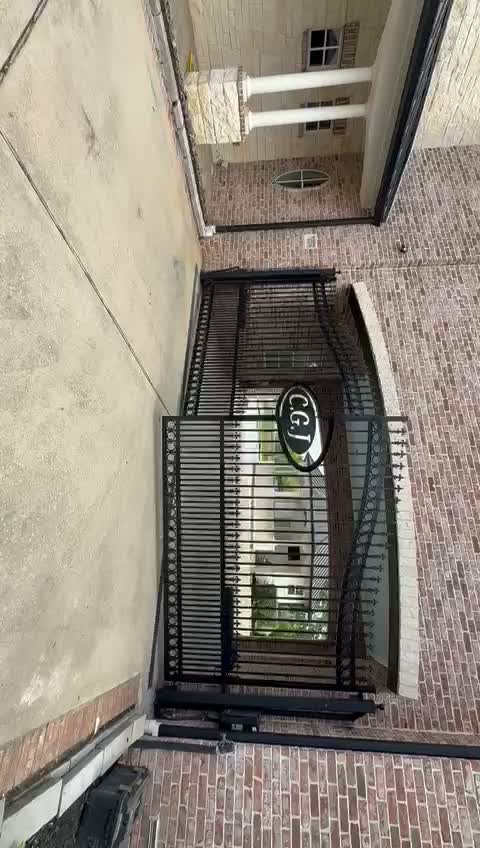
A decorative fence is built mainly to mark a property line and add curb appeal — it’s usually open or see-through (ornamental aluminum or iron, picket, low masonry), unlike a privacy fence (solid, blocks the view) or a security fence (height plus anti-climb details, built to deter entry). Because an open, decorative-style fence doesn’t block sightlines the way a solid fence does, Galveston’s own height rule treats it differently in a front yard: it can go taller if it stays open enough.
Sources: City of Galveston Land Development Regulations §2.501(B); Master Halco, Colonial Aluminum Ornamental Fence System Warranty (2017); American Galvanizers Association (2012).
What makes a fence “decorative” instead of privacy or security
The three categories aren’t about materials — they’re about the job the fence is doing. A decorative fence is built mainly to mark where a property line is and to look good doing it: ornamental aluminum or iron, picket (wood or vinyl), low masonry or split-rail. It’s usually open enough that you can see through it, because blocking a view was never the point. A privacy fence is built to block the view — solid boards, no sightline gap, usually taller. A security fence is built to deter entry — height combined with anti-climb details like narrow picket spacing or spear/flat tops, sometimes with added hardware. A fence can lean toward more than one of these at once (a tall ornamental iron fence can look decorative and still deter casual entry), but when people ask “what is a decorative fence,” they’re usually asking what separates the open, styled option from the solid or defensive ones.
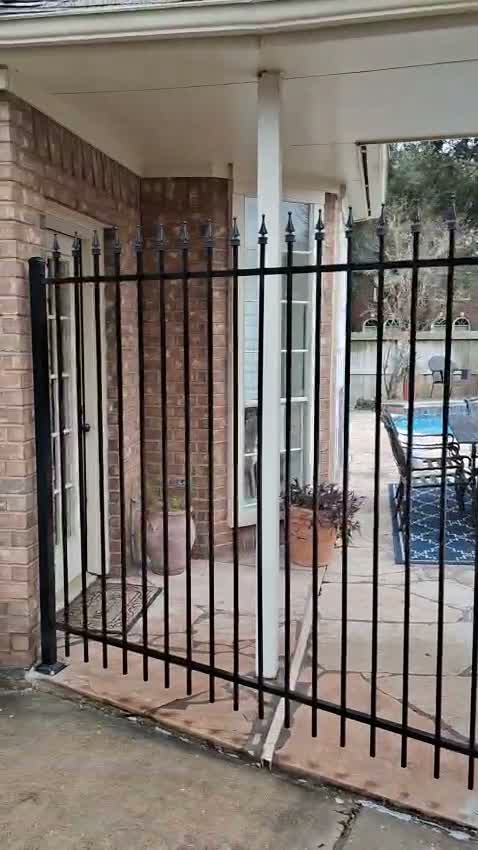
Ornamental ironwork has deep roots on the island
Decorative ironwork isn’t a new trend here. The National Park Service’s guidance on preserving architectural cast iron names Galveston directly among the American cities with “outstanding examples of ironfronts” from the 19th-century cast-iron building boom, alongside Baltimore, New Orleans and others. That’s about historic storefronts and facades, not residential fencing specifically — but it’s part of why ornamental metalwork, iron gates and fence details still read as a natural style choice on the island rather than an imported one. Modern ornamental fences are almost always aluminum or coated/galvanized steel rather than true cast iron, for upkeep reasons near salt air (more on that below), but the look traces back to the same decorative tradition.

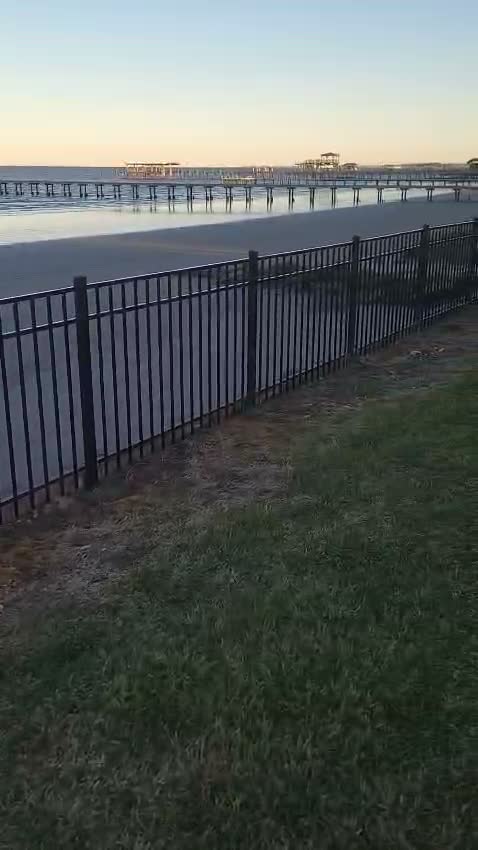
Decorative vs. privacy vs. security at a glance
| Item | Decorative | Privacy | Security |
|---|---|---|---|
| Main job | Mark the line, add curb appeal | Block the view | Deter entry |
| Typical openness | Open / see-through | Solid, no gap | Open but narrow spacing |
| Common materials | Ornamental aluminum/iron, picket, low masonry | Wood boards, vinyl privacy panels | Ornamental or chain link, anti-climb tops |
| Galveston front-yard height | Up to 5 ft if 60%+ see-through (LDR §2.501(B)) | 4 ft max if solid | Governed by the same height rule, not a separate exemption |
| Coastal upkeep concern | Ferrous metal needs coating; aluminum/vinyl do not rust | Wood needs sealing; vinyl does not | Same metal concerns as decorative ironwork |
Height rule: Galveston LDR §2.501(B). Material notes: American Galvanizers Association (2012); Master Halco (2017). Category definitions are general industry framing, not a single cited standard.
Decorative, privacy or security — which one are you actually after?
General guidance based on your main goal. A quick walk of your fence line still settles the height and material.
General guidance on fence purpose; the Galveston front-yard height figures are from LDR §2.501(B), already covered in detail on our picket fence height & spacing guide.
What Galveston customers say
5.091 Google reviews · read them all on Google
We just installed iron gate and it looks amazing thank you very much mustang fencing .
True professionalism is very rare in this day and age, these guys live upto their word and deliver on their service! Our fence was down in the July storm and these guys came and gave a reasonable quote, after confirming I received a time line and they delivered! Will recommend them to everyone I know who needs fencing done.
I chose Mustang Fencing for my backyard due to their reputation for quality and security. Their wood fencing exceeded my expectations, durable and visually appealing. The customer service was top-notch, and the installation was quick and efficient.
Reviews shown word for word from the Mustang Fencing Services Google Business Profile (Galveston), captured 2026-10-12.
Questions we get about this
What is a decorative fence, exactly?
Is a picket fence a decorative fence?
Does a decorative fence have to be metal?
Can a decorative fence still be secure?
Why does the material matter more here than in other climates?
Sources
Checked October 18, 2026. Rules change, so confirm with the City before you build.
- National Park Service, Preservation Brief 27: The Maintenance and Repair of Architectural Cast Iron — Names Galveston among US cities with outstanding 19th-century cast-iron ironfronts.
- City of Galveston Land Development Regulations (2015, as amended) — Sec. 2.501(B): front-yard fence height limits and the 60% transparency rule.
- American Galvanizers Association, Performance of Galvanized Steel in Different Environments (2012) — Atmospheric corrosion rates for hot-dip galvanized steel, including coastal/sea-spray exposure.
- Master Halco, Colonial Aluminum Ornamental Fence System Limited Warranty (2017) — Lifetime residential coverage vs. 30-year non-residential coverage terms.
Deciding between a decorative, privacy or security fence?
We’ll walk your lot, check the front-yard rule against what you’re picturing, and talk through materials that hold up near the Gulf before you commit to a style.