Gate access guide · Galveston, TX

Cellular vs. Landline Telephone Entry: Which Should You Choose?

For most new telephone entry system installs today, cellular connectivity has become the practical default, and a landline-dependent system is increasingly the exception rather than the norm. But understanding why — the actual call path, the cost structure, and what code requires either way — makes the choice clearer than just following the trend.

  • Reviewed Oct 18, 2026
  • Sources: DASMA TDS 353, DASMA #352
  • Interactive fit check
Galvanized chain link gate panel on a ground track across a driveway at a brick house, Galveston, Texas
A residential drive gate — exactly the kind of entrance point where a telephone entry call box gets mounted, landline or cellular.
The short answer

Cellular is the more practical default for nearly any new telephone entry system install, because it skips running a dedicated phone line and reaches the resident’s cell phone wherever they are — but landline still makes sense if a property already has an active line in place and avoiding a recurring service cost matters more than that flexibility. The two differ in how the call physically reaches you (a wired line into the house vs. a cellular radio in the call box itself) and in cost structure (a landline system is closer to a one-time install, while cellular systems typically carry an ongoing plan cost similar to a cell phone bill). One thing that doesn’t change: code requires the call box itself to sit at least 6 ft from the gate, out of its reach, with a full view of the gate — regardless of which connectivity type is behind it.

6 ftMinimum distance between the call box and the gate, required for any gate activation control regardless of connectivity (DASMA TDS 353 / UL 325 tables)
1Dedicated phone line a landline system requires running to the gate — the install step cellular skips entirely
OngoingTypical cost structure for a cellular system’s service/data plan, vs. closer to a one-time cost for landline hardware
2Ways the call can reach a resident today: a landline handset at the house, or a cell phone/app wherever there is coverage

Sources: DASMA Technical Data Sheet 353 (rev. 1/25); DASMA #352, Automatic Vehicular Gate Operating Systems: Guidelines. The connectivity comparison itself is general telephone-entry-system industry practice, not attributed to either document.

The real difference: how the call reaches you

Both landline and cellular telephone entry systems do the same basic job: a visitor at the gate reaches the resident by phone, and the resident decides whether to grant access. What differs is entirely in how that call physically travels. A landline system rings into the house over a dedicated phone line run from the gate — reliable, but only reachable where that handset actually is, and it requires that line to exist in the first place. A cellular system puts a cellular radio in the call box itself, connecting straight out to the resident’s cell phone wherever they happen to be, the same way any cell call would. Neither technology changes the underlying access decision — see our page on what a telephone entry system is and how the call flow works for that part.
Two-column diagram. Left column, landline path: a gate call box connects through a dedicated phone line run to the house, which rings a resident’s landline handset that only rings where that handset physically is. Right column, cellular path: a gate call box with a built-in cellular radio connects directly to the resident’s cell phone or app wherever there is coverage, with no dedicated line to run. A footer note states the hardware difference is in how the call reaches the resident, not whether a conversation happens before access is granted. LANDLINE PATHGATE CALL BOXDEDICATED PHONE LINErun from the gate to the house —an added install cost, especially over distanceRESIDENT’S LANDLINE HANDSETonly rings where that handset isno reach if resident is away from the house CELLULAR PATHGATE CALL BOXCELLULAR RADIO IN THE BOXno dedicated line to run to the houseRESIDENT’S CELL PHONE / APPrings wherever there is coverage —not tied to being near the house The hardware difference is in how the call physically reaches you — not whether a conversation happens before accessis granted (see “How the call works” above).
C-1
DrawingHow the call actually reaches you
BasisGeneral telephone entry system connectivity (industry practice, not a cited code document)
ScaleNot to scale
The conversation-before-access model is identical either way — only the path the call takes to reach you changes.
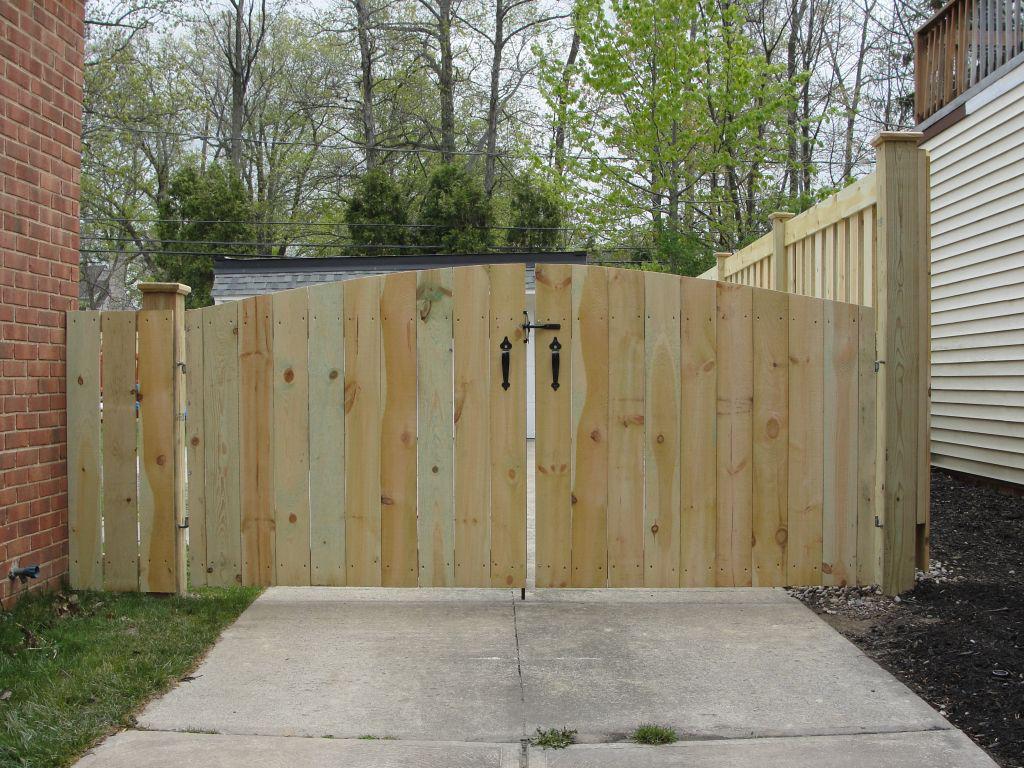
Arched double wood gate closing off a concrete driveway, Baytown, Texas
A drive-in gate like this is a common install point for a telephone entry call box, whichever connectivity type ends up behind it.

Landline vs. cellular telephone entry, side by side

LandlineCellular
How the call reaches youOver a dedicated phone line run to the houseDirect to the resident’s cell phone/app, wherever there’s coverage
New install requirementRunning a dedicated phone line to the gateA confirmed cellular signal at the gate location
Typical cost structureCloser to a one-time hardware/install costHardware cost plus an ongoing service/data plan, similar to a cell phone bill
Best fitA property with an existing landline already run for this purposeMost new installs, especially where no landline already exists
Call-box placement ruleSame either way: ≥ 6 ft from the gate, full view of the gate (DASMA TDS 353 / #352)Same either way: ≥ 6 ft from the gate, full view of the gate (DASMA TDS 353 / #352)

Sources: DASMA TDS 353 / DASMA #352 (placement row only); connectivity/cost rows are general telephone-entry-system industry practice.
Flowchart starting from "choosing a connectivity type for a new or replacement gate telephone entry system," branching into three questions: whether an active landline is already run to the gate, whether cellular signal is confirmed strong at the gate’s exact spot, and whether avoiding a monthly fee or avoiding a new line-run cost matters more. A footer note states that regardless of the answers, code places the call box the same way either way: at least 6 feet from the gate, out of its reach, with a full view of the gate, per DASMA TDS 353 and DASMA #352. Choosing a connectivity type for a new or replacement gate TESat a Galveston-area property Is there already an active landlinerun to the gate for this purpose? Yes: landline may be thelower-incremental-cost pick — theline already exists. No: running anew dedicated line adds cost, a pointin cellular’s favor. Is cellular signal confirmed strongat the gate’s exact spot? Confirmed strong: cellular is a safedefault. Weak or unconfirmed: checkactual coverage there beforecommitting to a cellular-dependentsystem. Which matters more: avoiding amonthly fee, or avoiding a newline-run cost? Avoiding the monthly fee favorslandline (no recurring plan).Avoiding the line-run cost favorscellular (no dedicated line toinstall). One thing that does NOT change either way: code treats the call box’splacement the same regardless of connectivity — at least 6 ft from the gate,out of its reach, with a full view of the gate (DASMA TDS 353 / DASMA #352).
C-2
DrawingChoosing between them, and the one rule that doesn’t change
BasisDASMA TDS 353 (UL 325 7th-ed. tables); DASMA #352
ScaleNot to scale
Three practical questions settle the connectivity choice. The call box’s placement under code isn’t one of them — it’s the same regardless.
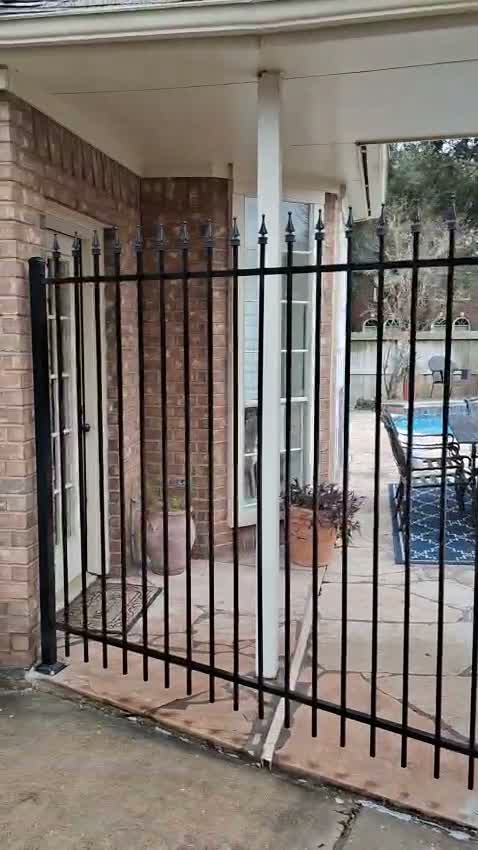
Black iron pool gate at a covered patio, East End, Galveston, Texas
Gate access control isn’t only a driveway question — any swinging gate with an activation control follows the same placement logic.

Landline or cellular: which fits your gate?

Answer three questions about your property to see which connectivity type the factors above actually point to. This doesn’t replace a site visit — it just applies the same reasoning in the sections above to your specific situation.

Based on the connectivity factors described on this page. The 6 ft call-box placement rule (DASMA TDS 353 / DASMA #352) applies the same either way and isn’t part of this check.
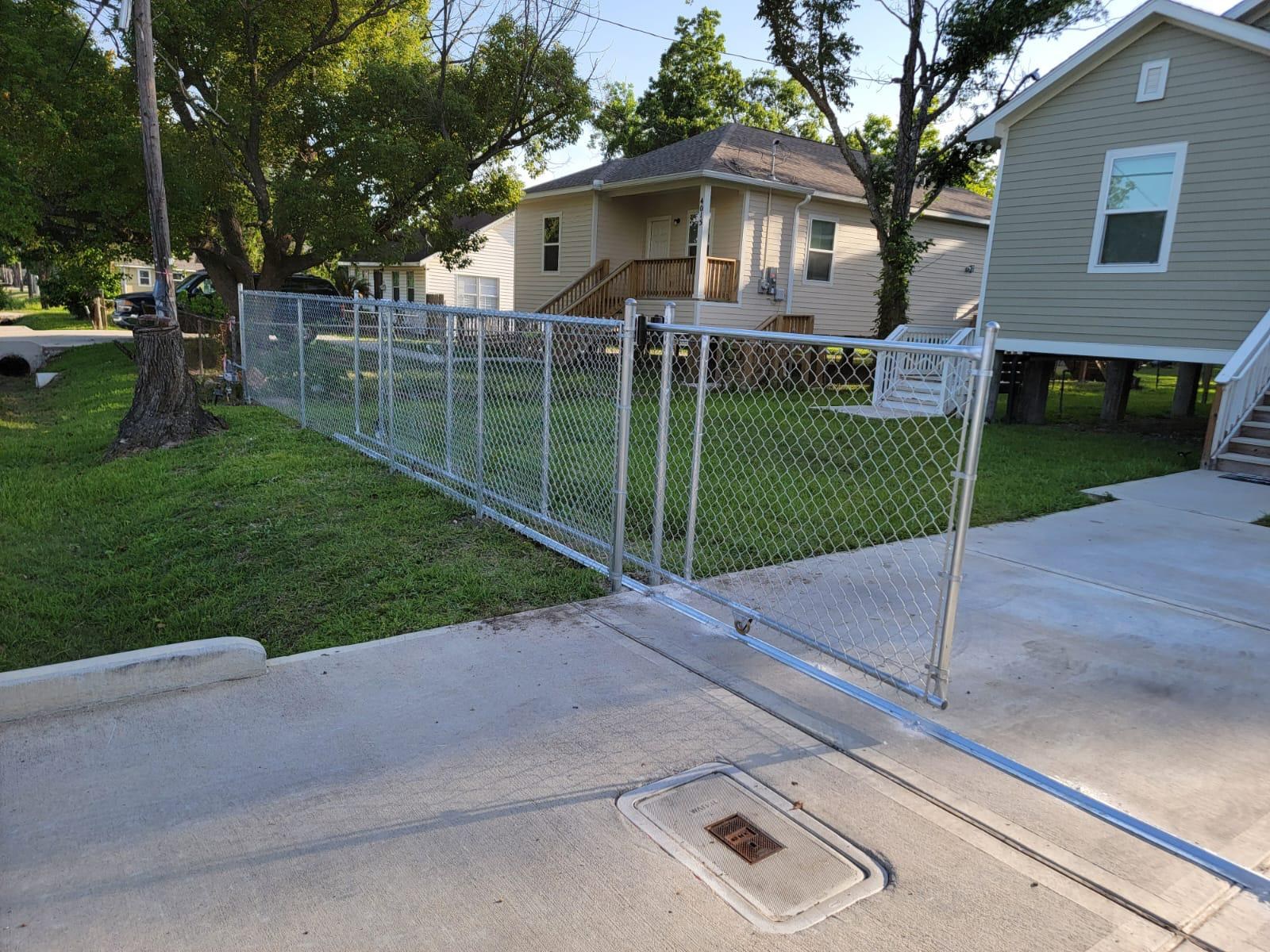
Galvanized chain link rolling gate across a residential driveway
A rolling drive gate — call-box placement rules apply the same way here regardless of which connectivity type is chosen.
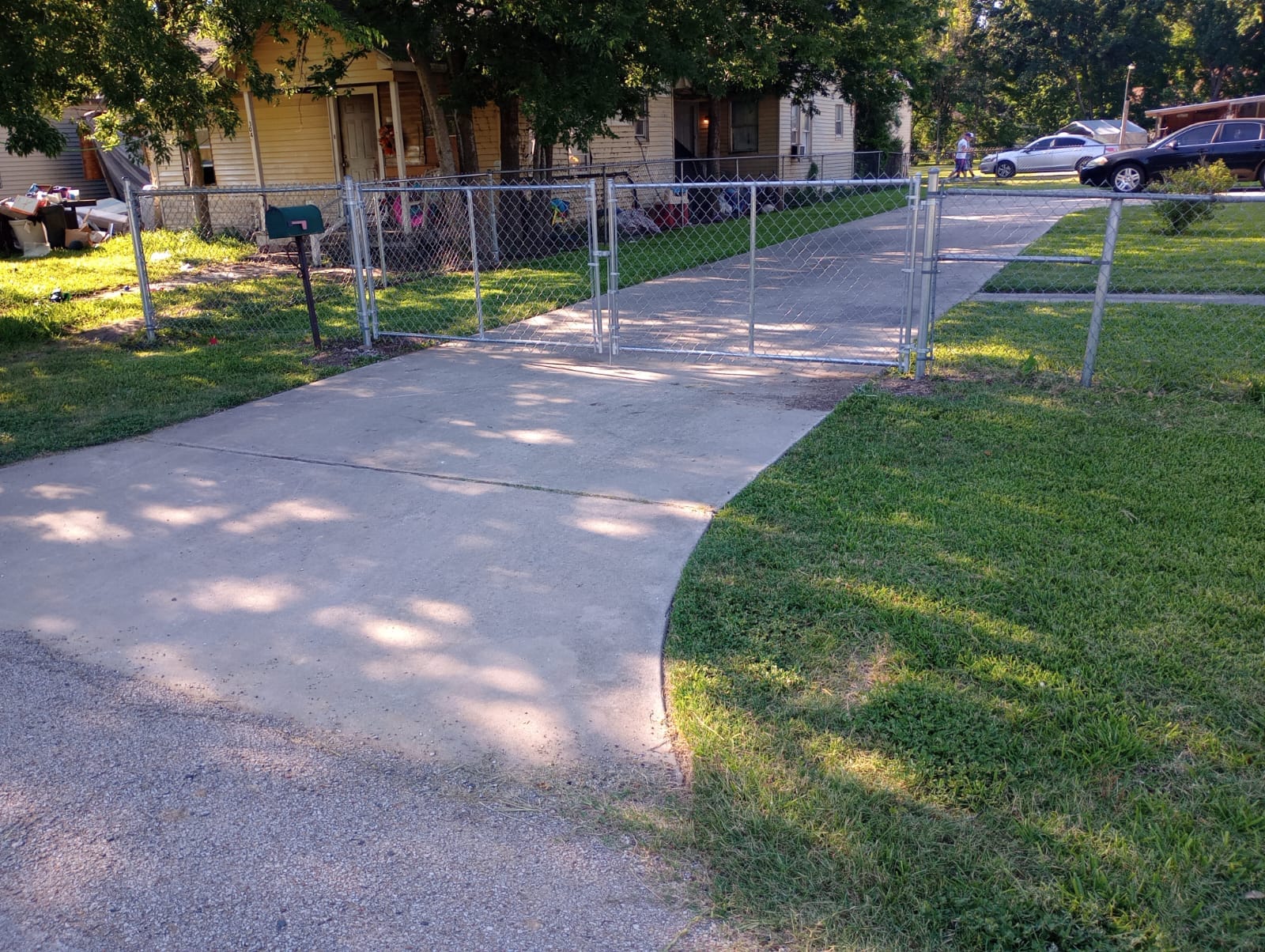
Chain link fence and double swing gate across a residential driveway, Danbury, Texas
A double swing gate — on a gate this size, where the call box ends up mounted still has to clear the 6 ft code minimum either way.
★★★★★
We just installed iron gate and it looks amazing thank you very much mustang fencing .
jordan valencia · Google review · December 2024
★★★★★
Excellent service and quality! Professional, on time, and great craftsmanship. Highly recommend!
Cameron Gutierrez · Google review · a year ago
★★★★★
A family friend recommends this company to me they were very fast, reliable, and cost officiant! I highly recommend them for the best fencing company ever!
Valerie Whitener · Google review · a year ago

Reviews shown word for word from the Mustang Fencing Services Google Business Profile (Galveston), captured 2026-10-12.

Questions we get about this

Do cellular telephone entry systems have an ongoing cost?
Typically yes — most involve a recurring service or data plan cost, similar to a cell phone plan, rather than being a one-time purchase.
Will a cellular gate entry system work if cell signal is weak at my gate?
It depends on actual coverage at that specific location — this is worth checking before installation, since weak signal can affect reliability.
Is landline telephone entry becoming obsolete?
Largely yes for new installations — cellular has become the practical default given how few households maintain an active landline today. Landline still fits a property that already has an active line in place for this purpose.
Does code place the call box differently for landline vs. cellular systems?
No. DASMA TDS 353 (reprinting UL 325 tables) and DASMA #352 require any gate activation control — including a telephone entry call box — to sit at least 6 ft from the gate, out of its reach, with a full view of the gate, regardless of whether it’s landline- or cellular-connected.

Sources

Checked October 18, 2026. Rules change, so confirm with the City before you build.

  1. DASMA Technical Data Sheet 353 (rev. 1/25) — Reprints UL 325 7th-ed. tables, including the 6-foot minimum setback for gate activation controls.
  2. DASMA #352, Automatic Vehicular Gate Operating Systems: Guidelines for Specifiers, Designers, Dealers, Installers and End Users — Installer guidance to keep controls out of reach of the gate, with a full view of gate operation.
Free on-site estimate

Not sure which fits your property?

Tell us whether you already have a landline run to the gate and what the cell signal is like there, and we’ll walk through which connectivity type — and which call-box placement — actually fits your install.

Page reviewed October 18, 2026 by Mustang Fencing Services, Galveston. Next review due April 2027.