Commercial gate repair · Galveston County, TX

Commercial Gate Repair: Diagnosing the Problem Before It’s Fixed

A commercial gate that won’t open, won’t close, or reverses on its own usually traces back to one of a handful of places: the control board, the track or rollers, a safety sensor, or the remote or keypad itself. Here’s how a manufacturer troubleshooting chart narrows that down, plus the one rule that decides whether an older operator gets repaired or replaced.
  • Reviewed Nov 5, 2026
  • Source: LiftMaster commercial troubleshooting charts + DASMA TDS 356
  • Interactive problem triage
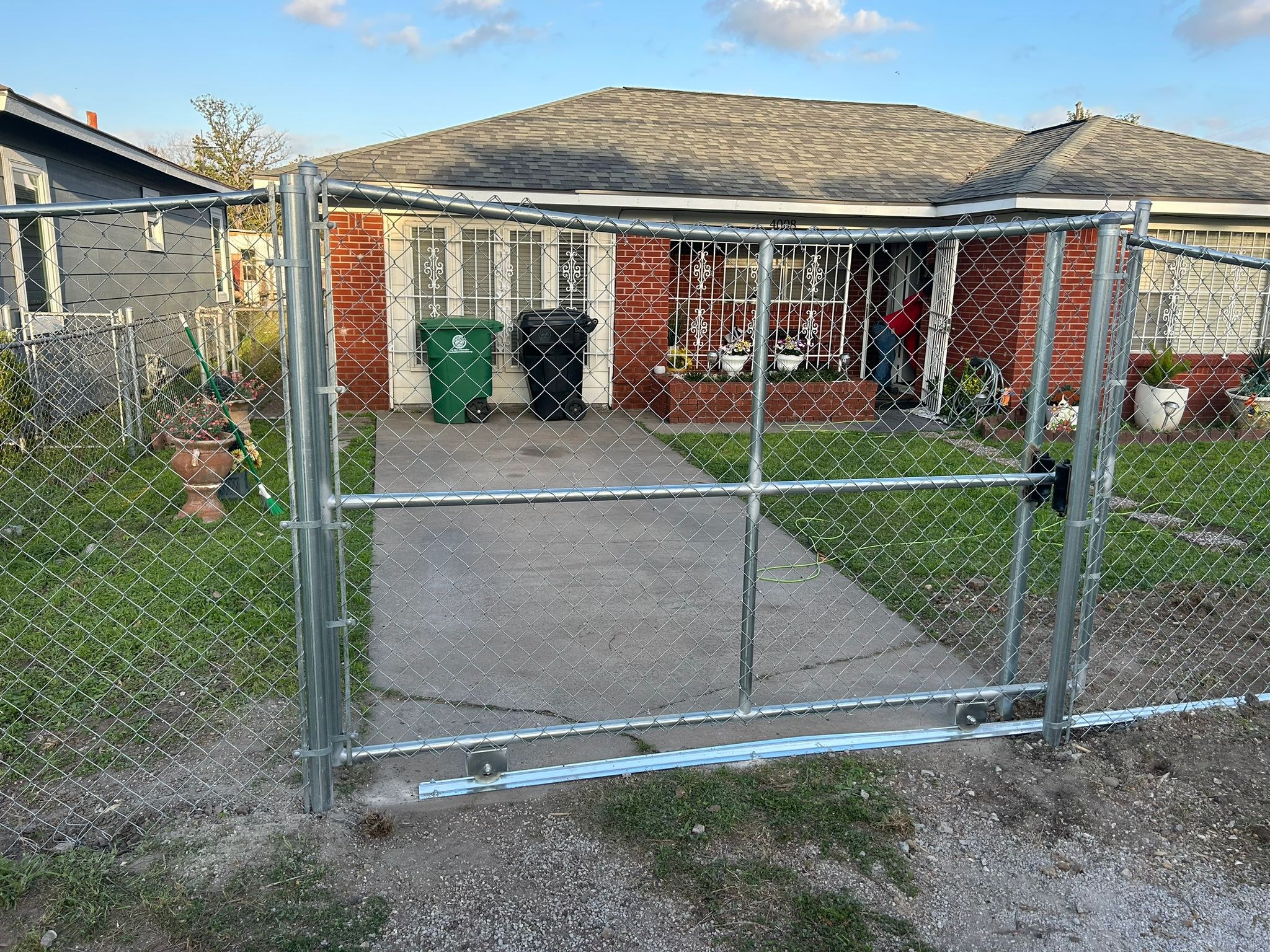
Galvanized chain link gate panel riding low on a ground track across a driveway
A gate panel riding low on its ground track — recent work.
The short answer

Diagnosing a commercial gate repair starts with the symptom, not the part: a manufacturer troubleshooting chart checks power and the control board first, then whether the gate moves freely, then the safety sensors and limits, then the drive itself. Separately, DASMA’s own FAQ on UL 325 answers the repair-or-replace question for an aging operator.

5Separate systems a manufacturer chart checks before blaming the operator: power, limits, control inputs, sensors, drive
MonthlyRequired safety-reversal test on every automatic gate operator, per the manufacturer’s safety instructions
2000DASMA: operators made before this year are recommended for replacement if they can’t accept today’s required entrapment sensors
NoLegal requirement to upgrade an already-installed operator to the current UL 325 edition (DASMA TDS 356)

Source: LiftMaster CSL24UL / CSW24UL commercial gate operator manuals (Troubleshooting Chart; Important Safety Instructions); DASMA TDS 356, "UL 325 and Gate Installations: Frequently Asked Questions."

Start with the symptom, not the part

It’s tempting to assume a misbehaving commercial gate needs a new operator. Manufacturer troubleshooting charts don’t start there — they start by narrowing down which of a few systems is actually failing: power and the control board, the gate’s own mechanical travel, the safety sensors and limit switches, or the drive that moves it. For how those operators are specified and rated in the first place, see our commercial automatic gates page; for the gate construction itself, see commercial gate installation.
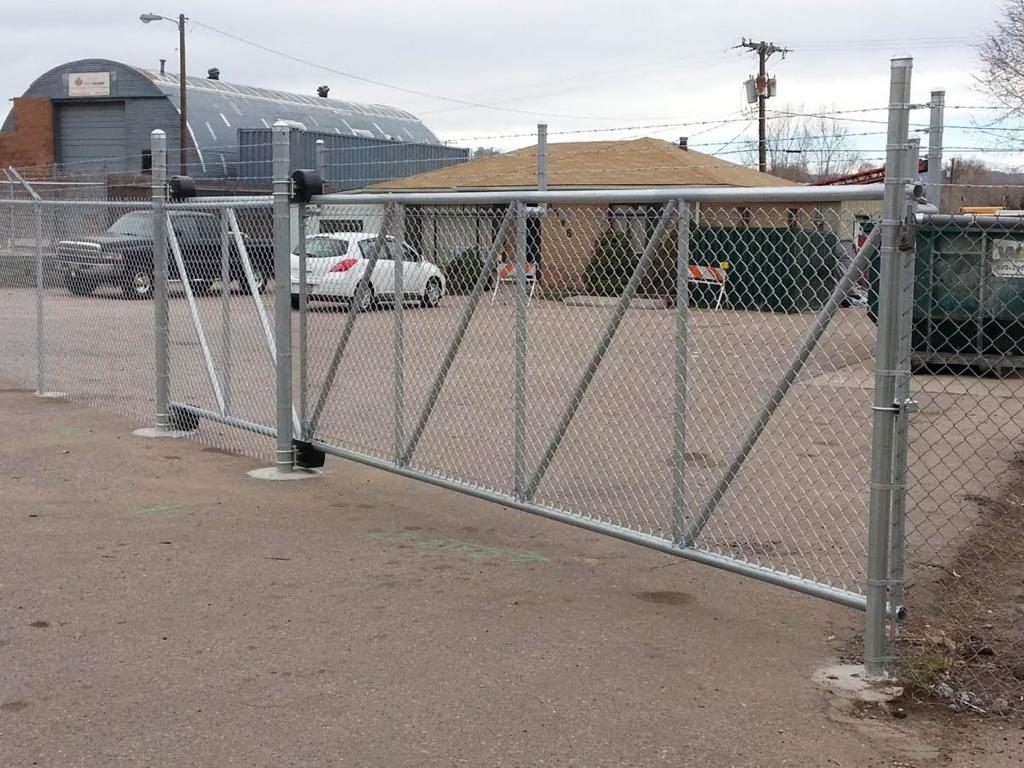
Diagram of a commercial slide gate with five numbered callouts: 1, the track and rollers; 2, the operator and control board; 3, a photo-eye entrapment sensor pair facing each other across the opening; 4, a limit switch at each end of travel; 5, the chain or belt drive. Five places a troubleshooting chart checks before the gate itself 1TRACK & ROLLERS 2OPERATOR / CONTROL BOARD 3PHOTO-EYE PAIR (ENTRAPMENT SENSOR) 4LIMIT SWITCH4LIMIT SWITCH 5CHAIN / BELT DRIVE A chart works through these in order -- power and the control board first, then whether the gate moves freely, then the sensors and limits, then the drive itself.
CGR-1
DrawingFive places a troubleshooting chart checks before the gate itself
BasisLiftMaster CSL24UL / CSW24UL commercial gate operator manuals, "Troubleshooting Chart." Not to scale
ScaleNot to scale
A chart works through these in order — power and the control board first, then whether the gate moves freely, then the sensors and limits, then the drive itself.
Galvanized chain link cantilever slide gate with diagonal bracing across a commercial lot entrance
A cantilever slide gate at a commercial lot entrance — a Mustang project photo.

Why a sensor "problem" is often the sensor doing its job

One of the most common commercial-gate complaints — the gate starts to close, then reverses right back open — is frequently the entrapment-protection system (a photo-eye or a sensing edge) correctly detecting an obstruction, misalignment, or a wiring fault, not a broken gate. Manufacturer safety instructions are explicit: "Test the gate operator monthly. The gate MUST reverse on contact with an object or reverse when an object activates the noncontact sensors." If that monthly test fails — the gate doesn’t reverse when it should — that's the repair call, not the "it keeps reversing" complaint itself. For the sensor types and coverage zones a commercial gate is required to have, see UL 325 & ASTM F2200 explained.
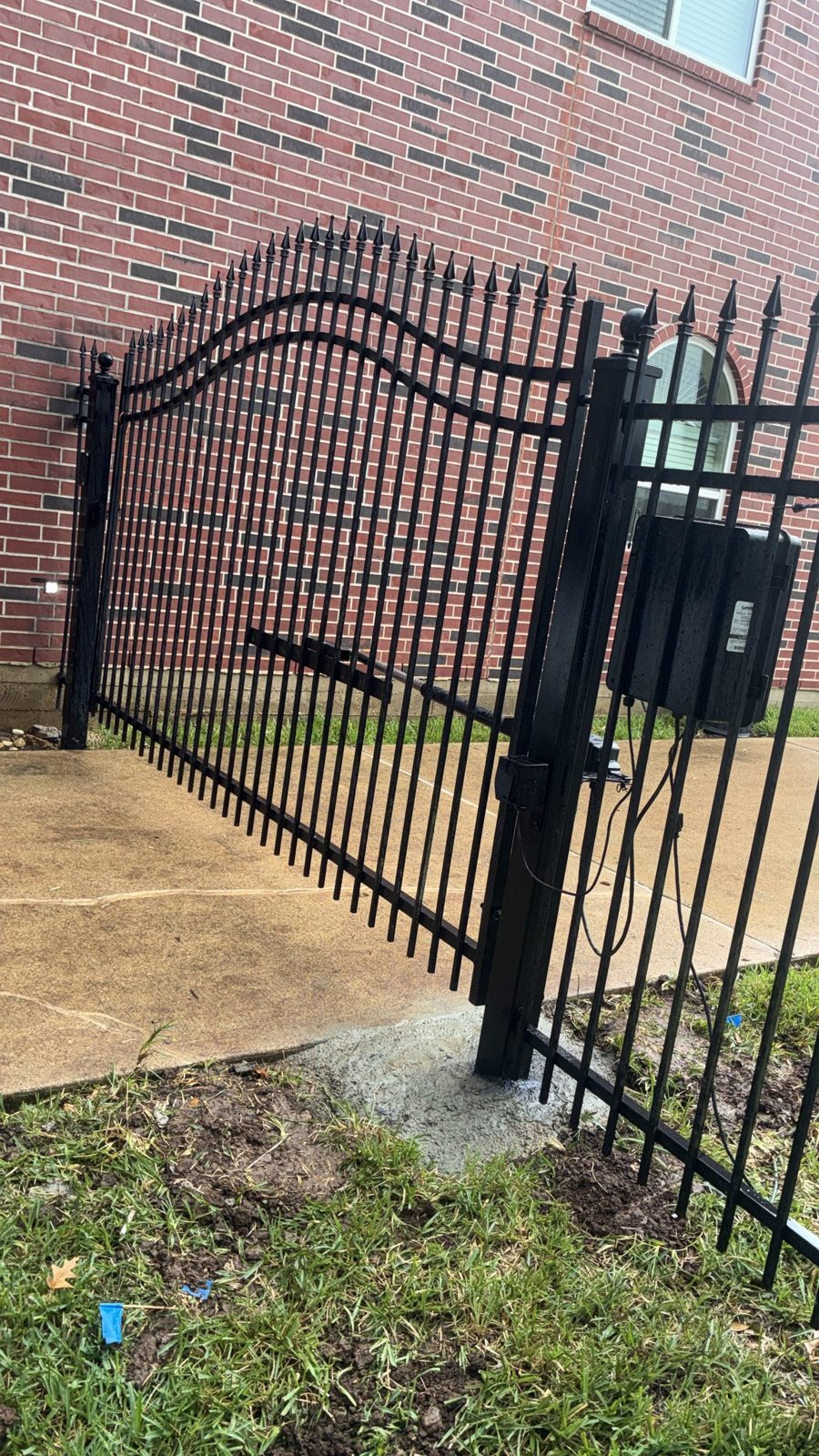
Black wrought iron arched gate with spear pickets and a visible gate operator box beside a brick house
An ornamental iron gate with its operator box — a Mustang project photo.

Gate problem triage

Pick what the gate is actually doing. This points to where a troubleshooting chart looks first -- it isn’t a diagnosis of your specific gate, and some of these checks involve electrical or safety-sensor work a site visit should confirm.

Paraphrased from the LiftMaster CSL24UL / CSW24UL commercial gate operator installation manuals, "Troubleshooting Chart" and "Important Safety Instructions."
Decision diagram: for an already-automated gate, if current entrapment-protection devices can be attached to the operator, repair is allowed, since there is no legal requirement to upgrade an already-installed operator. If not, especially on an operator built before 2000, replacement is recommended. Separately, automating a gate that has always been manual is held to the current UL 325 edition, the same as new construction. Repair or replace: the operator-age question Already automated --operator acting up? Can current entrapment-protection devices be attached? YES -- repair is allowed.No legal requirement to upgradean already-installed operator. NO -- replacement is recommended,especially if it predates 2000 and can’ttake today’s required sensors. Automating a gate that has always been manual (new to automation, not a repair)?Held to the CURRENT UL 325 edition, the same as new construction -- not grandfathered.
CGR-2
DrawingRepair or replace: the operator-age question
BasisDASMA TDS 356, "UL 325 and Gate Installations: Frequently Asked Questions," Q3, Q4, Q5 and Q14. Not to scale
ScaleNot to scale
DASMA’s own FAQ on UL 325 draws this line: repairing an old operator is allowed, but replacement is recommended once it can’t take today’s required sensors — commonly an issue on pre-2000 units.
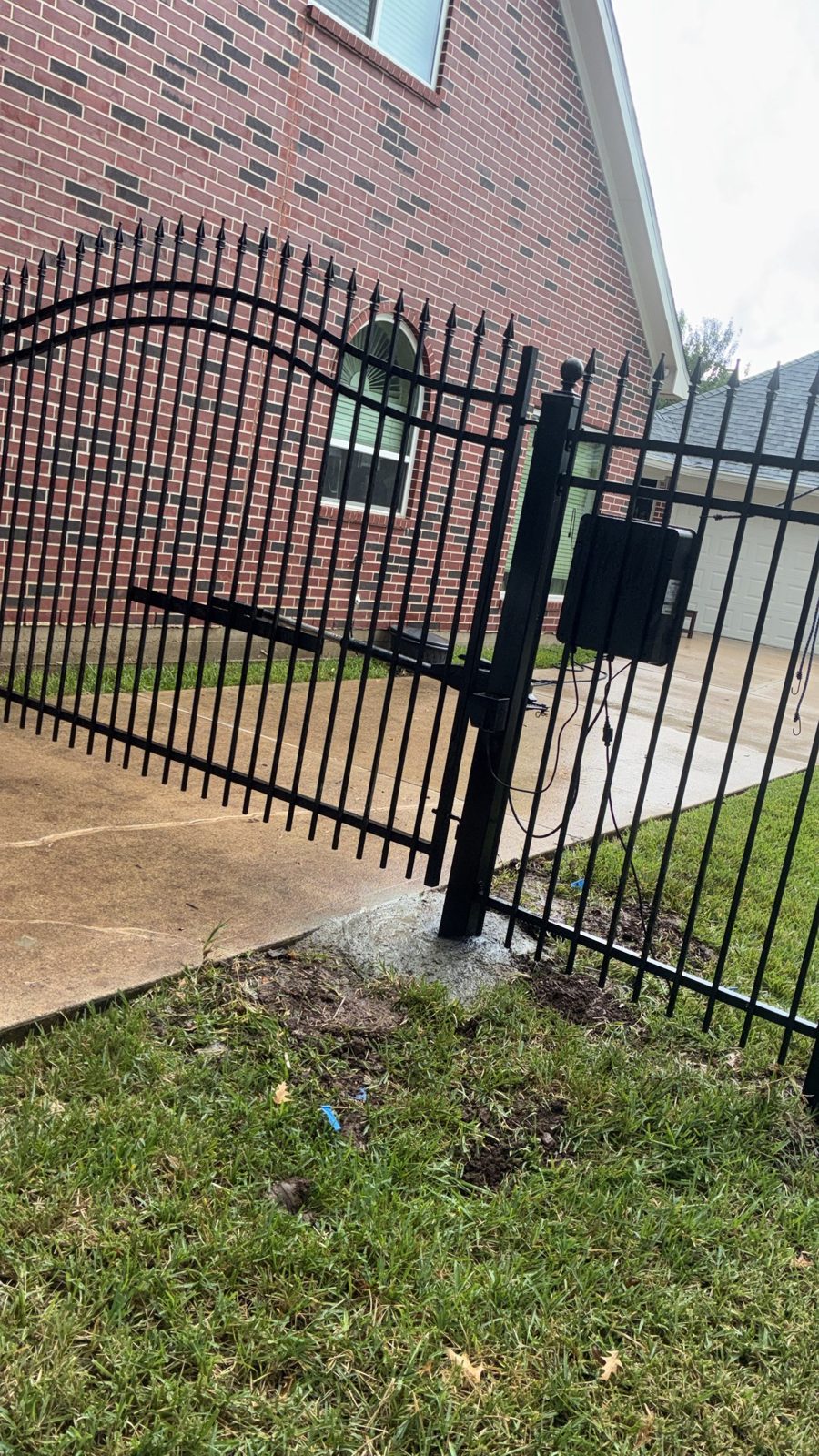
Black aluminum arched swing gate with an opener box beside a brick house
An automatic swing gate with its opener box — a Mustang project photo.

Troubleshooting chart, quick reference

SymptomWhere to look first
Operator doesn’t run, no displayPower to the control board: batteries, fuses, solar connection
Gate won’t reach a limitThe gate’s own mechanical travel — not the operator
Reverses immediately on closingAn active entrapment-protection device or a stuck command input
No response to a wired controlA stuck input, the Stop button, or that device’s own wiring
No response to a wireless remoteRe-learning the transmitter, or the operator’s antenna connection

LiftMaster CSL24UL / CSW24UL commercial gate operator manuals, "Troubleshooting Chart."
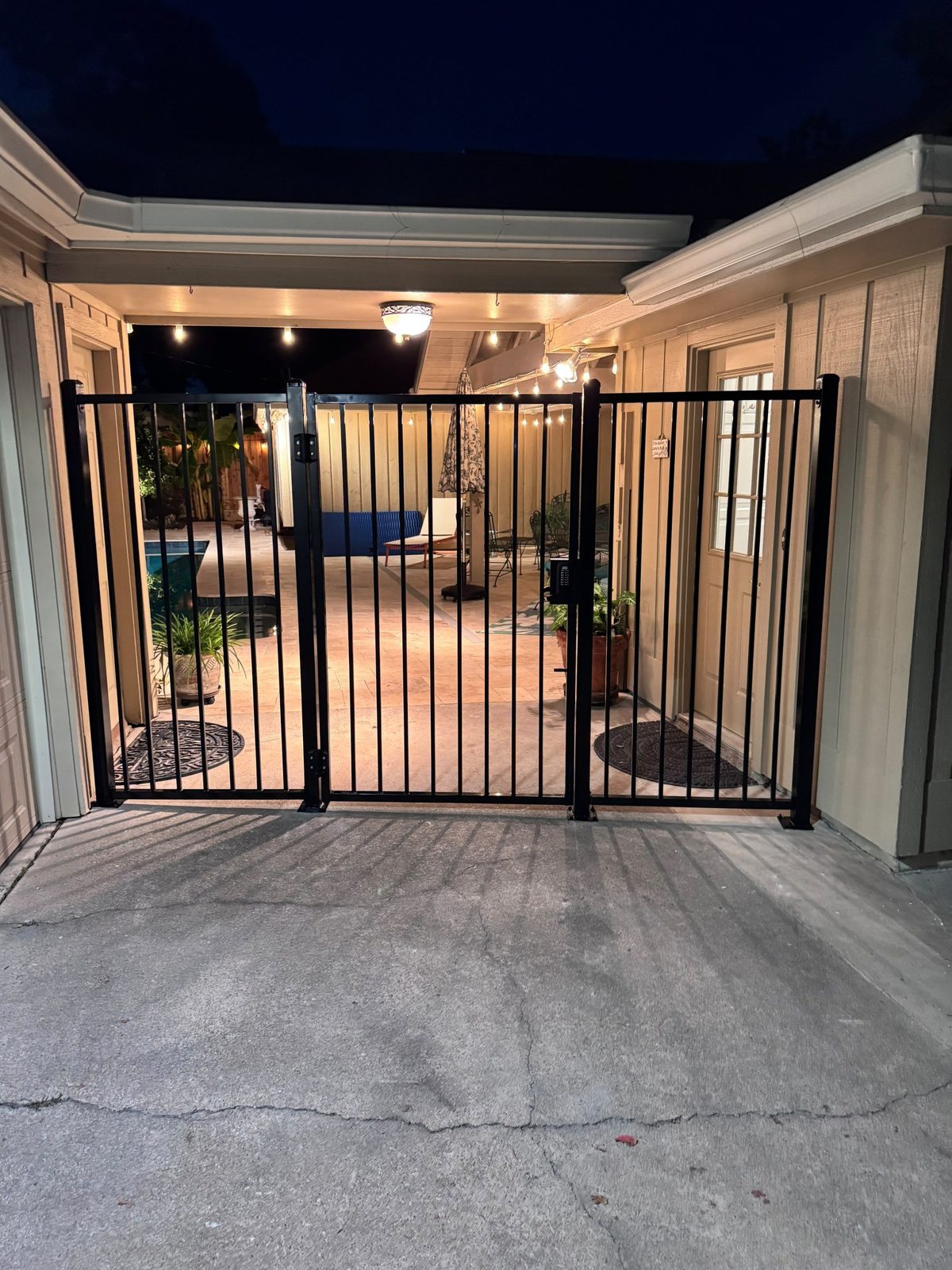
Black aluminum double swing gate at a lit courtyard entrance at dusk
An aluminum double swing gate — a Mustang project photo.

What a repair site visit actually checks

A free on-site visit for a commercial gate repair works through the same order as the chart above: power and the control board, then whether the gate moves freely by hand, then the safety sensors and limit switches, then the drive itself — and, for an older operator, whether repairing it or replacing it is the right call. No price or turnaround time is quoted here; both depend entirely on what’s actually found on site.

Free on-site estimate

Have a commercial gate that’s not working right?

We’ll walk through the same troubleshooting order on site — power, mechanics, sensors, drive — and give you one written estimate for the repair before any work starts.

★★★★★
We just installed iron gate and it looks amazing thank you very much mustang fencing .
Jordan Carrillo · Google review · a year ago
★★★★★
Very professional and friendly. Gotten automatic gates done and they are done to perfection! Thank you
Tannia Cravinas · Google review · a year ago
★★★★★
True professionalism is very rare in this day and age, these guys live upto their word and deliver on their service! Our fence was down in the July storm and these guys came and gave a reasonable quote, after confirming I received a time line and they delivered! Will recommend them to everyone I know who needs fencing done.
Adam Evans · Google review · a year ago

Reviews shown word for word from the Mustang Fencing Services Google Business Profile (Galveston), captured 2026-11-05.

Questions we get about this

What’s the first step in repairing a commercial gate that won’t open?
Identify which of a few systems is actually failing: power to the control board, the gate’s own mechanical travel, the safety sensors and limit switches, or the drive. Manufacturer troubleshooting charts check them roughly in that order.
Why does my gate reverse right after it starts closing?
Most often an active entrapment-protection device (a photo-eye or sensing edge) is correctly detecting an obstruction, misalignment, or a wiring fault — or an open/close command input is stuck active. It’s usually the safety system working, not a malfunction to bypass.
Is it ever OK to disconnect a safety sensor just to get the gate moving?
No. Manufacturer safety instructions require a monthly reversal test, and a gate operator is required to reverse on contact with an object or when a noncontact sensor is activated. If that test fails, the repair is to fix or replace the sensor, not remove it.
Should an old commercial gate operator be repaired or replaced?
DASMA’s own FAQ on UL 325 says there’s no legal requirement to upgrade an already-installed operator, and older operators can be repaired — but replacement is recommended for any operator built before 2000, since it may not be able to accept the entrapment-protection devices required since then.
I’m finally automating a gate that’s always been manual — does it need to meet current code?
Yes. UL 325 requirements apply to all new construction and to existing gates being newly motorized — that project is held to the current standard, not grandfathered in because the gate itself is old.
My remote stopped working but the gate is fine otherwise — what’s wrong?
Usually the transmitter needs to be re-learned to the control board, or the operator’s receiver antenna connection has an issue — check those before assuming the remote itself needs replacing.

Sources

Checked November 5, 2026. Rules change, so confirm with the City before you build.

  1. LiftMaster CSL24UL Commercial DC Slide Gate Operator installation manual — "Troubleshooting Chart" (symptom / possible causes / solutions) and "Important Safety Instructions" monthly reversal-test requirement.
  2. LiftMaster CSW24UL Commercial DC Swing Gate Operator installation manual — Same troubleshooting-chart and safety-instruction family for the swing-gate operator.
  3. DASMA TDS 356, "UL 325 and Gate Installations: Frequently Asked Questions" — Q3 (no retroactivity), Q4 (repair allowed, pre-2000 replacement recommended), Q5 (upgrade depends on the product), Q14 (existing gates being newly motorized must meet current UL 325).
Page reviewed November 5, 2026 by Mustang Fencing Services, Galveston. Next review due May 2027.

PLAN YOUR FENCE OR GATE PROJECT WITH US TODAY

Planning a new fence, a driveway gate or an automated entry? Tell us about your property and we’ll set up a free on-site estimate. We work with homeowners, HOAs and businesses across Galveston Island and Galveston County.

Prefer to talk? Call (346) 910-8641.

WHAT OUR CLIENTS ARE SAYING

Mustang Fencing

WE PROUDLY SERVE GALVESTON ISLAND & GALVESTON COUNTY

Areas we serve:

Galveston TX

Galveston Island

Jamaica Beach TX

Tiki Island TX

Bayou Vista TX

La Marque TX

Texas City TX

Hitchcock TX

Santa Fe TX

Dickinson TX

Bacliff TX

San Leon TX

Kemah TX

League City TX

Clear Lake Shores TX

OUR PARTNERS

Genie brand logo
LiftMaster brand logo