
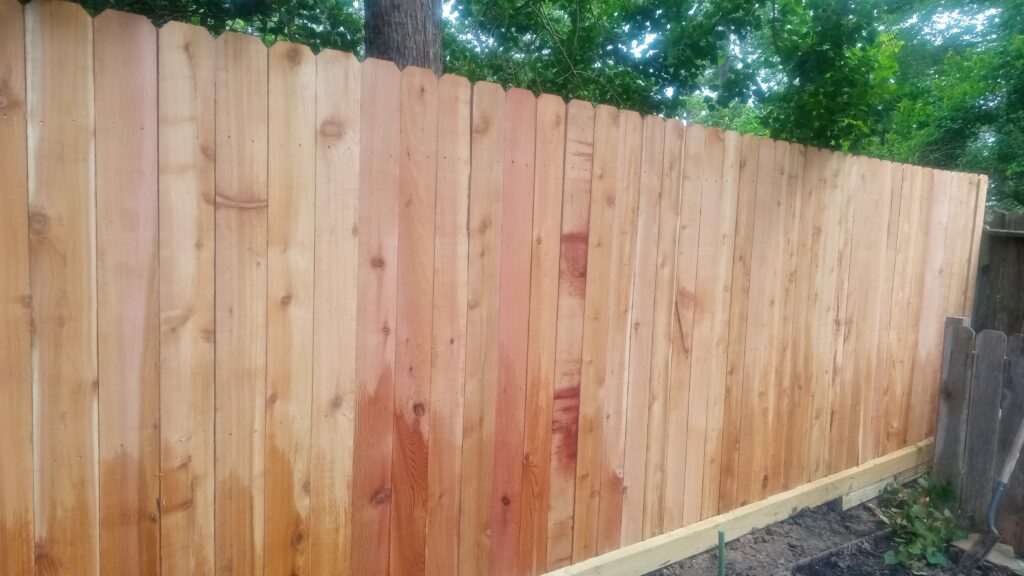
Straight answers from a local fence and gate contractor serving Galveston, Brazoria, and Chambers Counties.
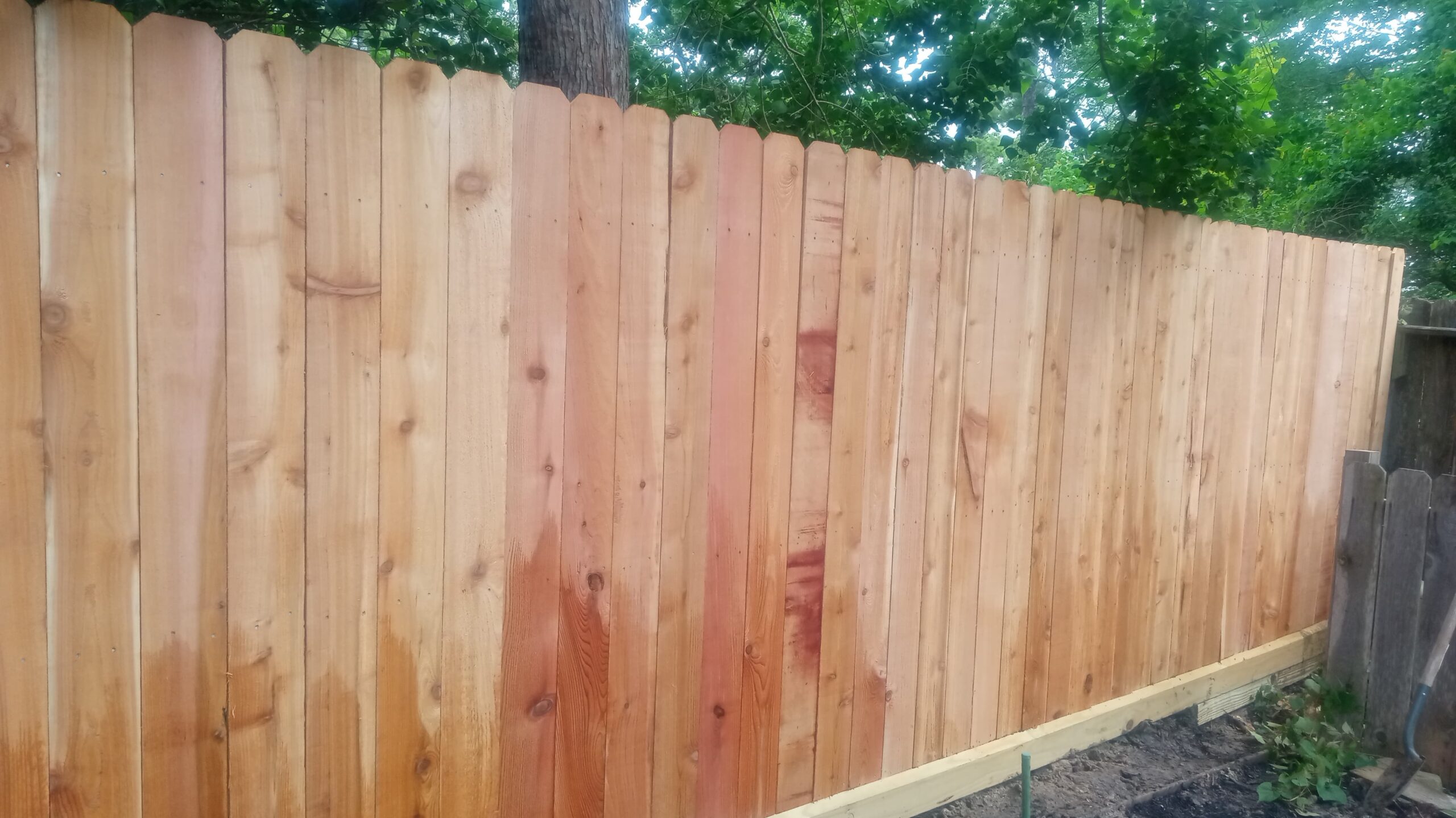
Homeowners association fence rules vary from community to community, but certain patterns show up consistently across most HOAs, especially in the master-planned communities common around League City, Clear Lake Shores, and similar Galveston County neighborhoods.
Height limits, especially in front yards
Most HOAs cap front yard fence height fairly low — often in the 3 to 4 foot range — to preserve sightlines and a consistent, open streetscape across the neighborhood. Backyard fences are typically allowed to be taller, commonly up to 6 feet, since privacy takes priority over street-facing appearance once you’re past the front setback. These aren’t arbitrary numbers — they’re usually written directly into the HOA’s governing documents or architectural guidelines, and exceeding them, even slightly, is one of the more common reasons for an HOA rejection or violation notice.
Approved materials
HOAs commonly approve wood, vinyl, aluminum, and wrought iron or ornamental steel for their clean, consistent appearance across the community. Chain link is frequently restricted or outright prohibited in HOA communities specifically because of its more industrial look, even though it’s a perfectly functional and durable fencing material elsewhere. If a property genuinely needs chain link-level durability or budget within an HOA community — a side yard dog run, for instance — checking whether it’s allowed at all, and where, is worth doing before ordering material.
Color and finish requirements
Beyond material, many HOAs also regulate fence color and finish, often requiring a specific approved palette or a particular stain or paint finish to maintain visual consistency street to street. This is one of the details homeowners most commonly overlook — approving the right material but the wrong color, or skipping a required stain, can still result in a violation even when the fence itself is otherwise compliant.
Setbacks and placement
Most HOAs also specify how far a fence must sit from the property line, which prevents encroachment disputes with neighbors and keeps a consistent look across adjoining yards. This is a detail worth confirming with a property survey rather than an estimate, since an inch or two of encroachment can create a real dispute down the line.
Why checking first saves time and money
Installing a fence that doesn’t meet HOA height, material, color, or setback rules can mean a required removal and reinstallation at the homeowner’s expense, on top of the wasted initial cost. Pulling the HOA’s specific architectural guidelines before finalizing a fence design — rather than assuming general neighborhood norms apply — is the single best way to avoid that outcome.
Related Questions
Ready for a real number for your property? Request a free on-site estimate from Mustang Fencing Services.