
Straight answers from a local fence and gate contractor serving Galveston, Brazoria, and Chambers Counties.
The short answer: not for a new pool enclosure
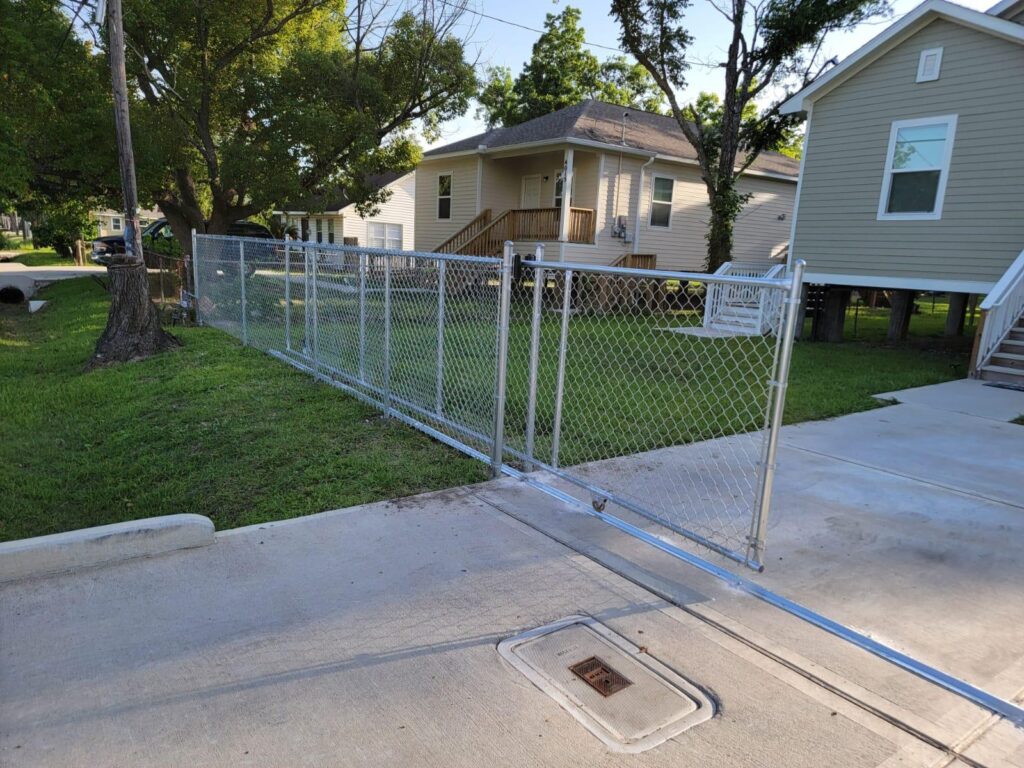
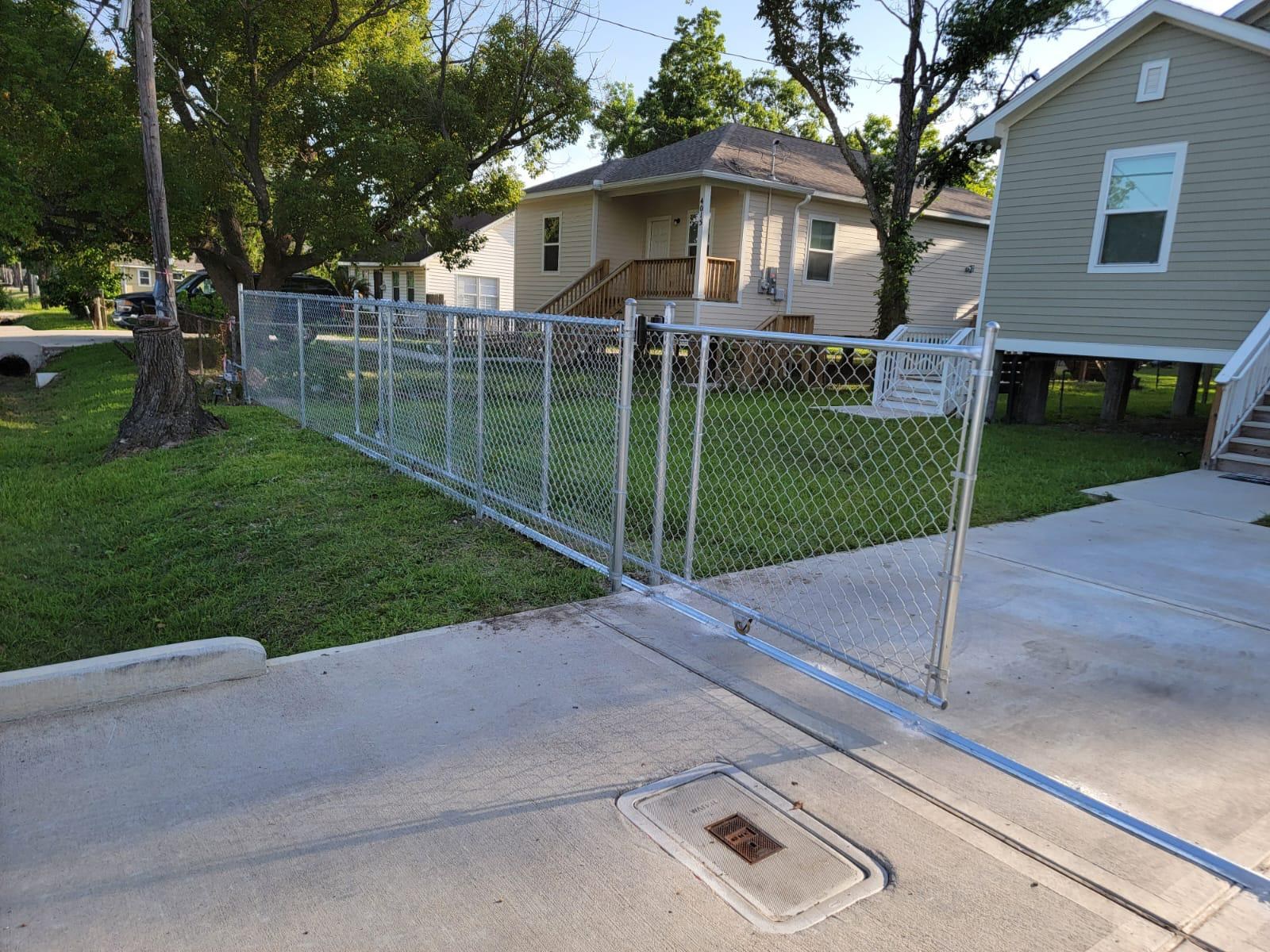
Chain link fencing is specifically prohibited as the pool barrier for any new pool enclosure built after January 1, 1994 under Texas law. The reasoning is straightforward: chain link’s diamond weave pattern provides exactly the kind of footholds a young child (or anyone) can use to climb over, which defeats the core purpose of a pool barrier — keeping small children out without adult supervision at that exact moment.
Why this matters even if chain link “meets” the height requirement
It’s a common misconception that any fence tall enough (48 inches or more) automatically satisfies pool barrier law. Height is necessary but not sufficient — the barrier also has to resist climbing, and standard chain link’s open mesh actively works against that goal regardless of how tall it’s built. That’s a meaningfully different standard than a typical backyard perimeter fence, where chain link’s openness isn’t a legal problem at all.
What actually is code-compliant for a Texas pool
Accepted pool barrier materials generally include solid wood fencing, ornamental metal (aluminum or steel) with narrow, non-climbable picket spacing, and purpose-built mesh systems certified to standards like ASTM F2286, which are specifically engineered and tested to resist climbing despite being a mesh product. Any of these can be built to the required height with a self-closing, self-latching gate and no climbable gaps — chain link simply isn’t on that approved list for a new pool barrier, no matter how it’s configured.
What this means for an existing property with chain link near the pool
If a property already has chain link somewhere in the yard (a rear property line, for example) and a pool is being added or a barrier is being brought up to code, that existing chain link generally can’t be relied on as the compliant pool barrier itself — a separate, code-compliant enclosure directly around the pool is typically what’s required, even if the property already has other fencing elsewhere. Since specifics for existing, older pools can differ from the rule for new construction, it’s worth confirming your property’s exact status with the local permitting office before planning an upgrade.
Related Questions
Is chain link ever allowed as a pool barrier in Texas?
What’s the most affordable code-compliant pool fence option?
Can aluminum fencing meet Texas pool code?
Ready for a real number for your property? Request a free on-site estimate from Mustang Fencing Services.