
Straight answers from a local fence and gate contractor serving Galveston, Brazoria, and Chambers Counties.
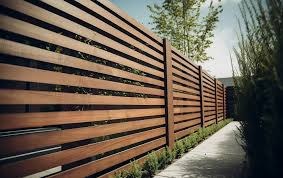
Why HOAs care so much about fencing specifically
In master-planned communities — common throughout League City, Clear Lake Shores, and similar developments in this region — fencing is one of the most tightly regulated exterior features, because a single inconsistent or overly tall fence can visibly stand out against a neighborhood’s otherwise uniform streetscape. Most HOAs regulate fence height, material, style, and even color, and typically require homeowners to submit a design plan or material sample for architectural review before any materials are purchased, let alone installed.
The patterns that tend to get approved
While every HOA’s specific rules differ, a few patterns show up consistently in master-planned communities: ornamental aluminum in black or bronze tones is broadly popular and broadly approved, since its open, see-through design keeps sightlines intact along front yards and streetscapes. Vinyl fencing in neutral tones — white, tan, and clay are commonly permitted colors — is frequently approved for both front and backyard use, and many HOAs specifically allow wood-grain vinyl finishes as an acceptable alternative to real wood. Height limits for front-yard fencing are typically more restrictive than backyard privacy fencing, often capping decorative front fencing at a modest height while allowing taller solid privacy fencing behind the home, out of street view. Uniform picket spacing, consistent post caps, and matching gate hardware across a property are common cosmetic requirements reviewers look for.
How to avoid delays with your HOA
The single most effective thing a homeowner can do is get the specific style, color, height, and material approved in writing before any purchase or installation begins — verbal assumptions about what’s “probably fine” are the most common source of costly redo situations, where a homeowner installs a fence only to be told afterward it doesn’t meet the community’s standards and has to be modified or removed. It also helps to bring photos or spec sheets of the exact product being proposed, since HOA boards often want to see the finish and style clearly, not just a general description like “aluminum fence.” Because Mustang Fencing works across numerous HOA-governed communities in Galveston, Brazoria, and Chambers counties, a quick conversation before your HOA submission can help identify which styles in a given community’s architectural guidelines tend to move through review smoothly. While Mustang Fencing doesn’t handle HOA paperwork submission directly, our team can help you understand your HOA’s typical requirements before you submit for approval, based on the patterns we commonly see across HOA-governed communities in the area.
Related Questions
Do I need HOA approval before getting a fence quote?
Can an HOA make me remove a fence installed without approval?
Are HOA fence rules different for front yards versus backyards?
Ready for a real number for your property? Request a free on-site estimate from Mustang Fencing Services.