
Straight answers from a local fence and gate contractor serving Galveston, Brazoria, and Chambers Counties.
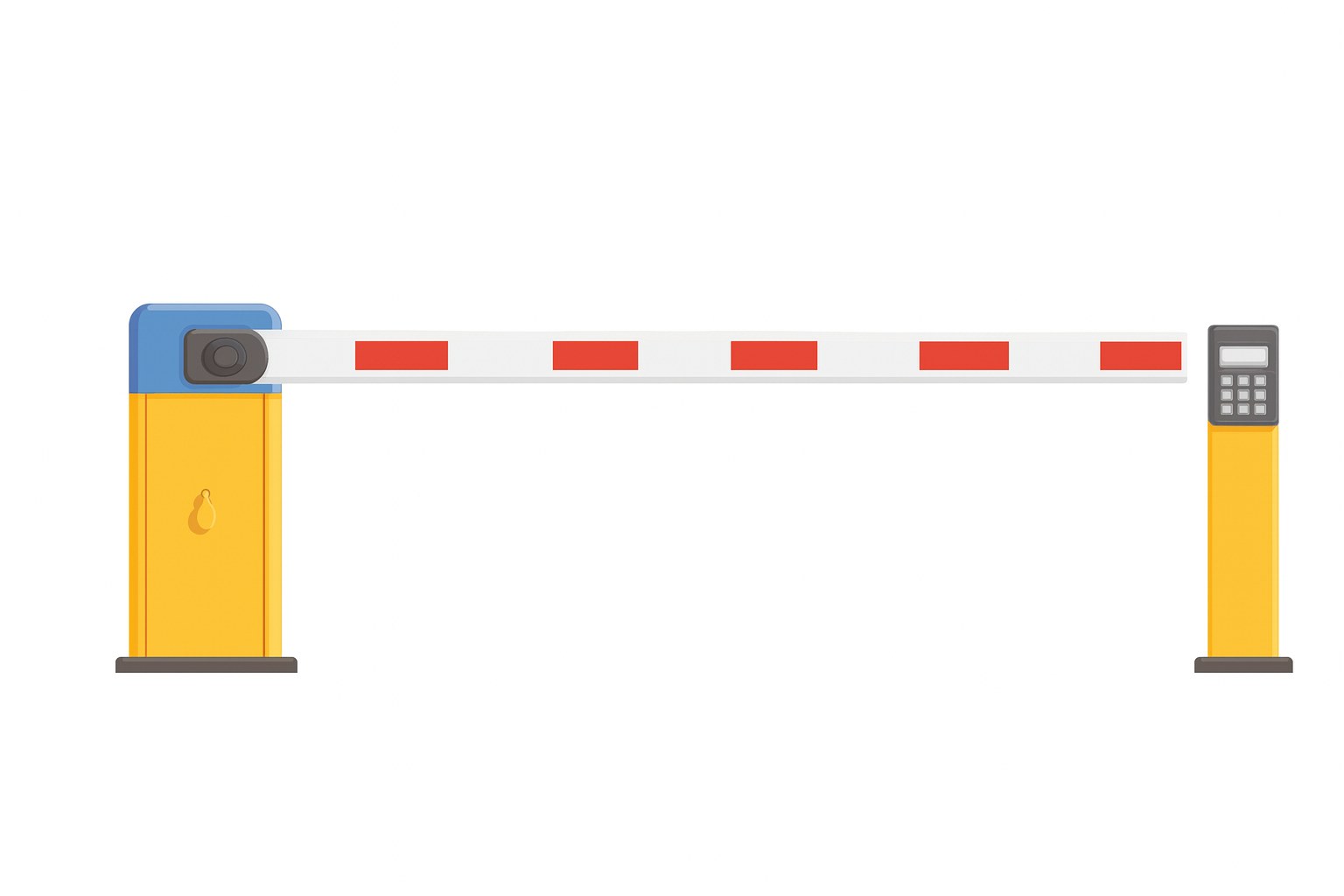
A telephone entry system (TES) is a gate access device that lets a visitor call a resident directly from the gate, so the resident can talk to them and decide whether to grant access — before anyone is let onto the property. It’s a meaningfully different approach from a keypad or remote, because it adds actual communication into the access decision rather than relying purely on a code or a pre-authorized device.
How it works
A visitor arrives at the gate and uses the entry system to call the resident they’re visiting — either by selecting a name or unit from a directory, or by dialing a specific code tied to that resident. The call connects to the resident’s phone (a landline, cell phone, or app depending on the system type), and once the two parties are talking, the resident can grant access remotely, typically by pressing a button on their phone during the call, which signals the gate to open.
Older vs. newer systems
Older-generation telephone entry systems were built around a home’s existing landline, ringing into the house’s phones the same way any incoming call would, with access granted by a touch-tone signal sent back through that same phone line. Newer systems have largely moved to cellular, ethernet, or Wi-Fi connectivity instead of requiring a dedicated landline, which means the resident’s call can reach a cell phone anywhere, rather than being tied to being home or near a landline handset. Many current systems also add a smartphone app layer, sometimes with video, turning the “phone call” into a richer video-intercom-style interaction (see our post on opening a gate with a smartphone).
Why the communication step matters
The core value of a telephone entry system versus a keypad or remote is that access isn’t purely code- or device-based — a genuine conversation happens before entry is granted, which is useful anywhere unexpected or infrequent visitors are common: delivery drivers, service providers, or guests who don’t have a code or remote of their own. This also creates a natural point where a resident can simply decline access to someone they don’t recognize or don’t want to let in, which a keypad code can’t offer once the code itself is known.
Where telephone entry systems fit best
Telephone entry systems are especially common at gated communities, multi-unit properties, and any residential or commercial gate where visitors regularly arrive without a pre-authorized credential — a single-family home with mostly household and pre-authorized visitor traffic may get more mileage out of a simple keypad-and-remote combination (see our keypad vs. remote post), while properties with regular unknown-visitor traffic benefit more from the added communication step a TES provides.
Related Questions
Does a telephone entry system need a landline?
How is a telephone entry system different from a keypad?
Can a telephone entry system include video?
Ready for a real number for your property? Request a free on-site estimate from Mustang Fencing Services.