
Straight answers from a local fence and gate contractor serving Galveston, Brazoria, and Chambers Counties.
These two terms get used almost interchangeably in casual conversation, but they describe fencing built for genuinely different purposes — and picking the wrong one for your property’s actual use can mean redoing the job.
What ranch fencing is built for
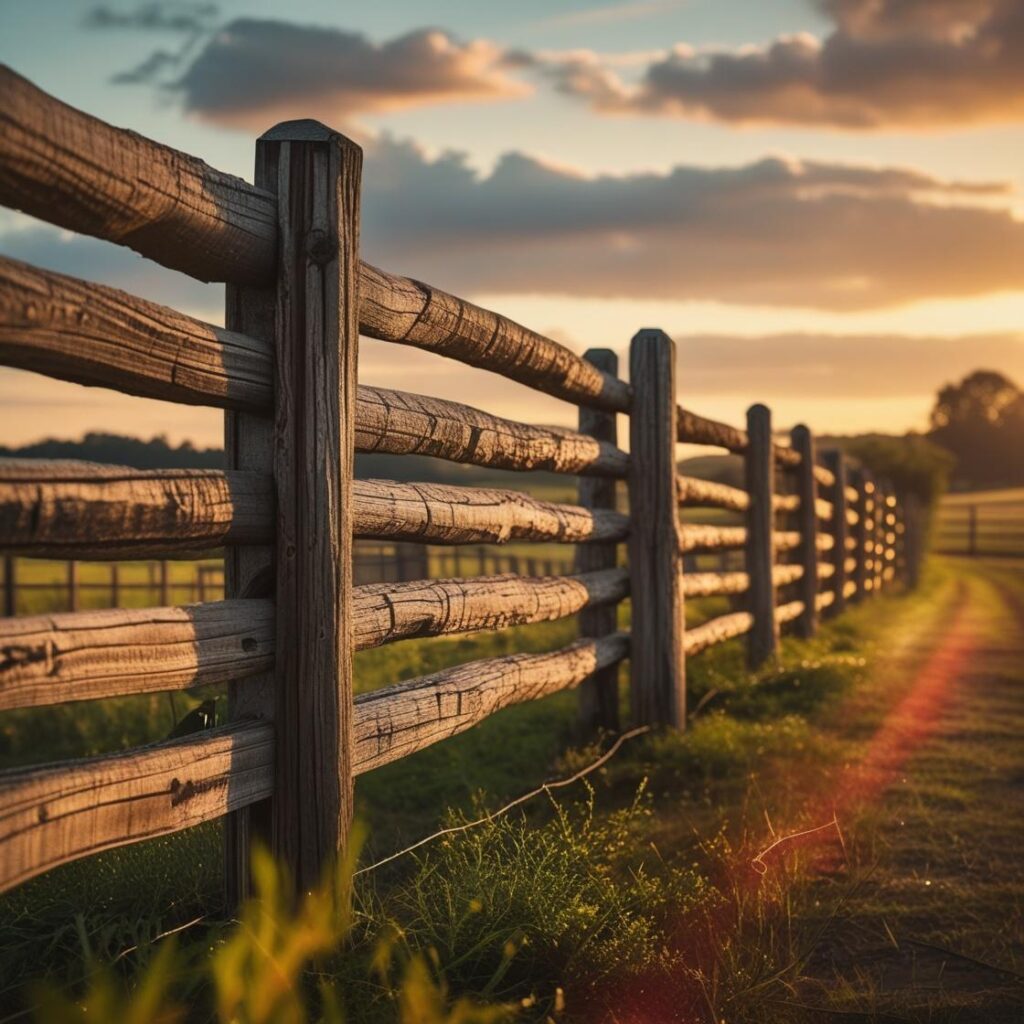
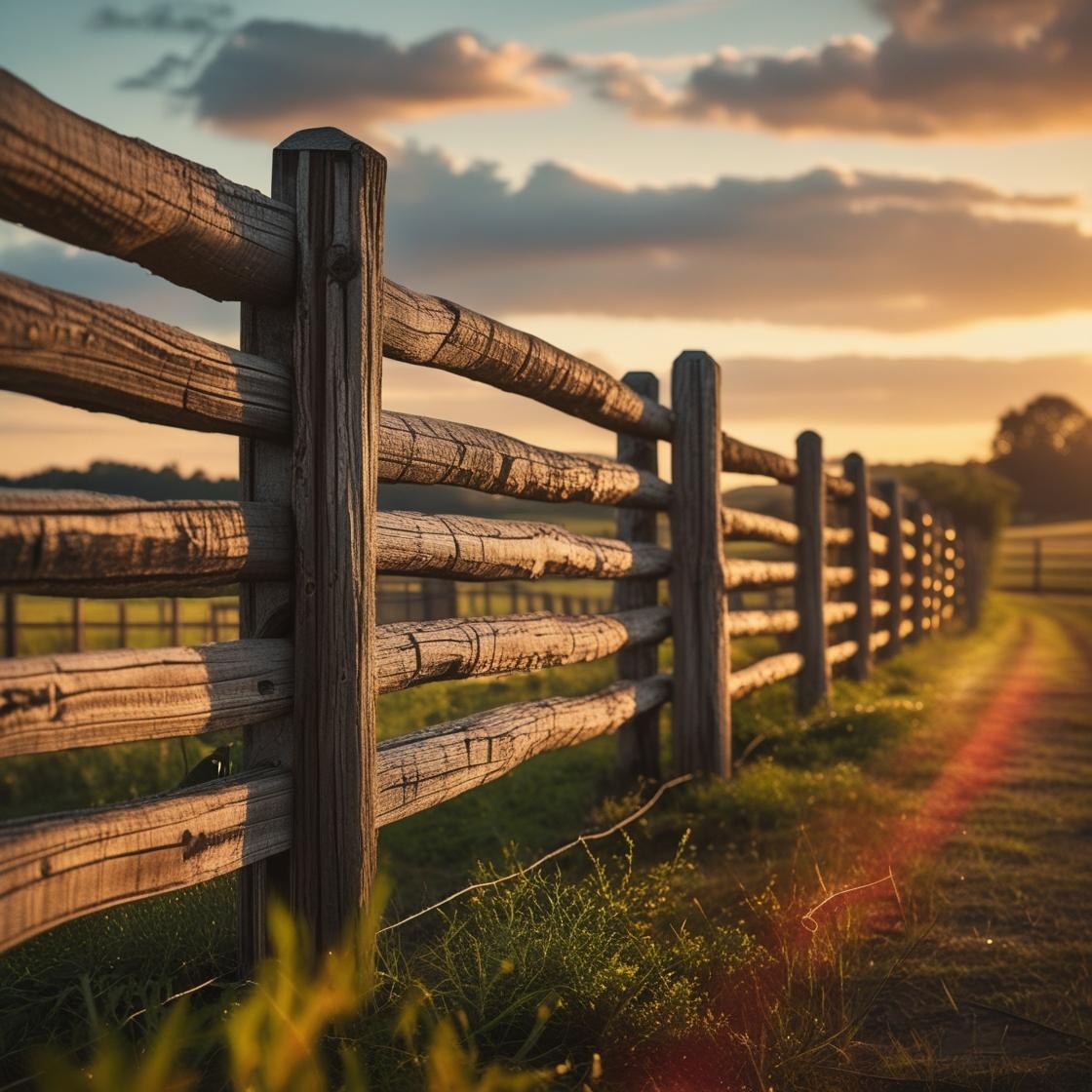
Ranch fencing exists primarily to contain livestock, secure large tracts of property, and maintain clear visibility across open land. The classic look — horizontal rails (typically 2-4 of them) mounted on posts — is designed to be sturdy enough to hold cattle or horses while keeping long, unobstructed sightlines across pasture, which matters both for monitoring animals and for the wide-open aesthetic ranch properties are known for.
What farm fencing is built for
Farm fencing tends to serve a broader, more mixed purpose: containing livestock, yes, but also keeping unwanted animals out of crops and gardens, marking property boundaries, and in some cases providing a measure of privacy around a homestead. Where ranch fencing is almost always about open-pasture containment and visibility, farm fencing is more likely to include denser materials — woven wire, closer picket spacing, or combinations of styles — suited to protecting specific areas rather than one continuous perimeter look.
Why the distinction matters for your project
If your priority is a long perimeter around pastureland with cattle or horses, where sightlines and durability matter more than a finished, uniform appearance, ranch-style rail fencing is almost always the right call — it’s also generally more economical per foot for covering long distances than denser fence styles. If your priority is protecting a garden, coop, or smaller paddock from a mix of animals (including ones trying to get in, not just out), a farm-style fence with tighter spacing or wire mesh is usually the better fit.
It’s common to use both on one property
Many working properties across rural Brazoria and Chambers County — around Brazoria, Angleton, Winnie, and Anahuac — use ranch-style rail fencing for the main pasture perimeter and switch to tighter farm-style fencing (often ranch rail with wire mesh, similar to split rail with mesh) around gardens, coops, or smaller livestock enclosures where containment of smaller animals matters. Matching the fence type to what it actually needs to contain or exclude saves money and avoids having to retrofit later.
Related Questions
Can ranch fencing be used to contain smaller livestock like goats?
Is farm fencing more expensive than ranch fencing?
Do ranch and farm fences need different post spacing?
Ready for a real number for your property? Request a free on-site estimate from Mustang Fencing Services.