
Can You Replace Just the Fence Posts Without Replacing the Whole Fence?
In most cases, yes — and there’s a structural reason it works. A fence post is the only part of a wood fence that sits in ground contact, so it’s rated for a tougher decay-resistance category than the boards and rails above it. That’s why posts often rot and fail years before the boards next to them do, and why swapping just the failed posts while keeping sound boards and rails is a legitimate, common repair.
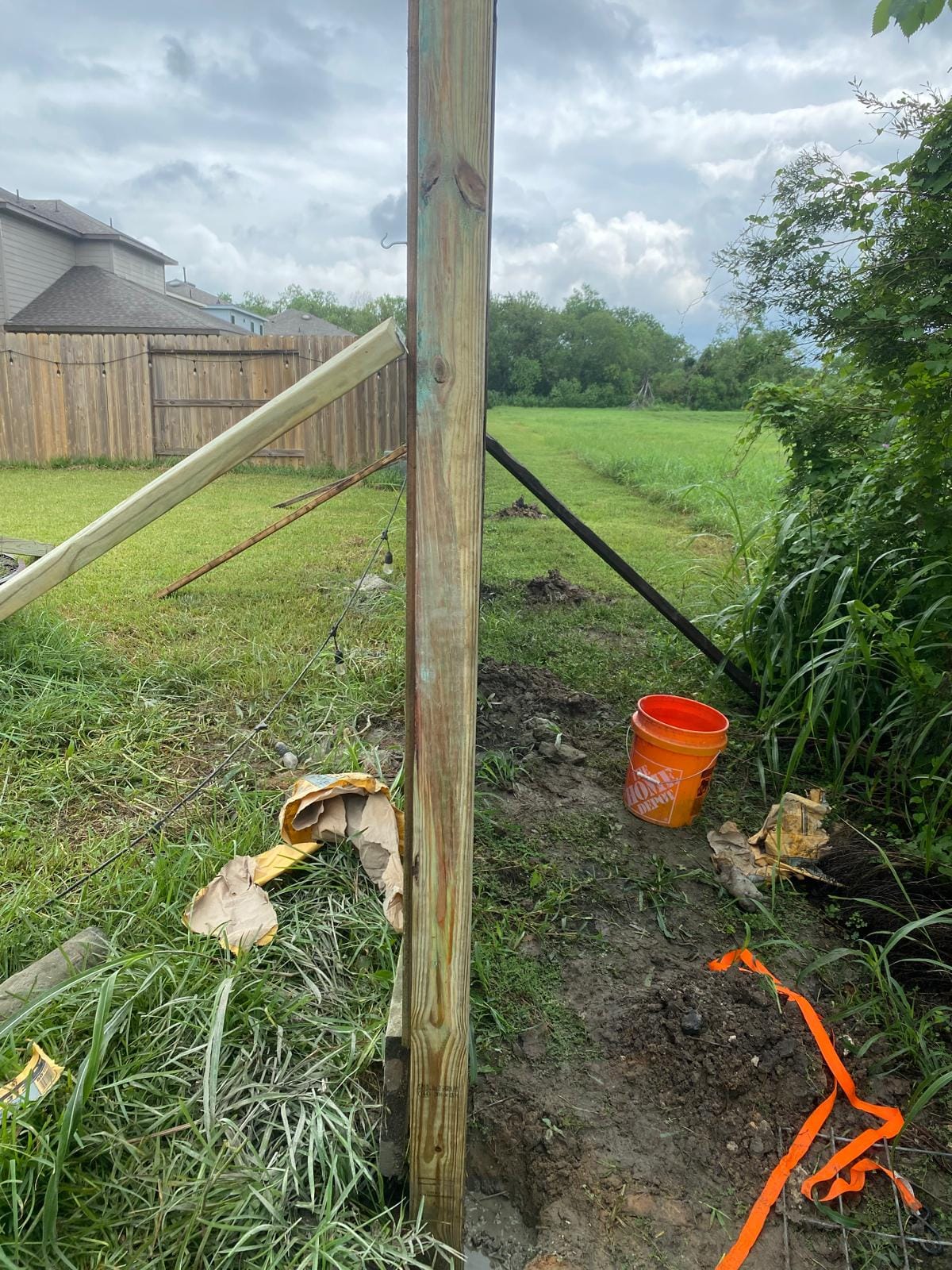
Yes, in most cases — a fence post can be replaced on its own, without replacing the whole fence, because the post is a structurally different part of the fence than the boards and rails. SFPA’s own treatment-category table rates fence posts for ground contact (UC4A) and pickets/rails/slats for above-ground exposure only (UC3A coated, UC3B uncoated) — a lighter requirement. That’s the documented reason posts rot and fail on their own schedule, separate from the boards they hold up, and why a post-only repair is a legitimate fix as long as the boards and rails themselves are still sound.
Source: Southern Forest Products Association, Pressure-Treated Southern Pine (2019 ed.), Table 3-1 and Fasteners and Connectors section.
Why posts and boards don’t age on the same schedule
A wood fence is built from three main pieces: posts, rails, and the pickets or boards nailed to the rails. Only one of those three ever sits in the ground. SFPA’s own use-category table reflects that directly — fence posts are rated UC4A (ground contact), while pickets, rails and slats are rated UC3A or UC3B (above-ground exposure only), a lighter decay-resistance requirement. Ground contact means constant exposure to soil moisture, so it’s not surprising that posts are the part of a wood fence that typically rots and fails first, often years before the boards and rails around them show real wear. That’s the structural case for treating a rotted post as its own, separate repair rather than a reason to rebuild the whole fence.
What a post-only replacement actually involves
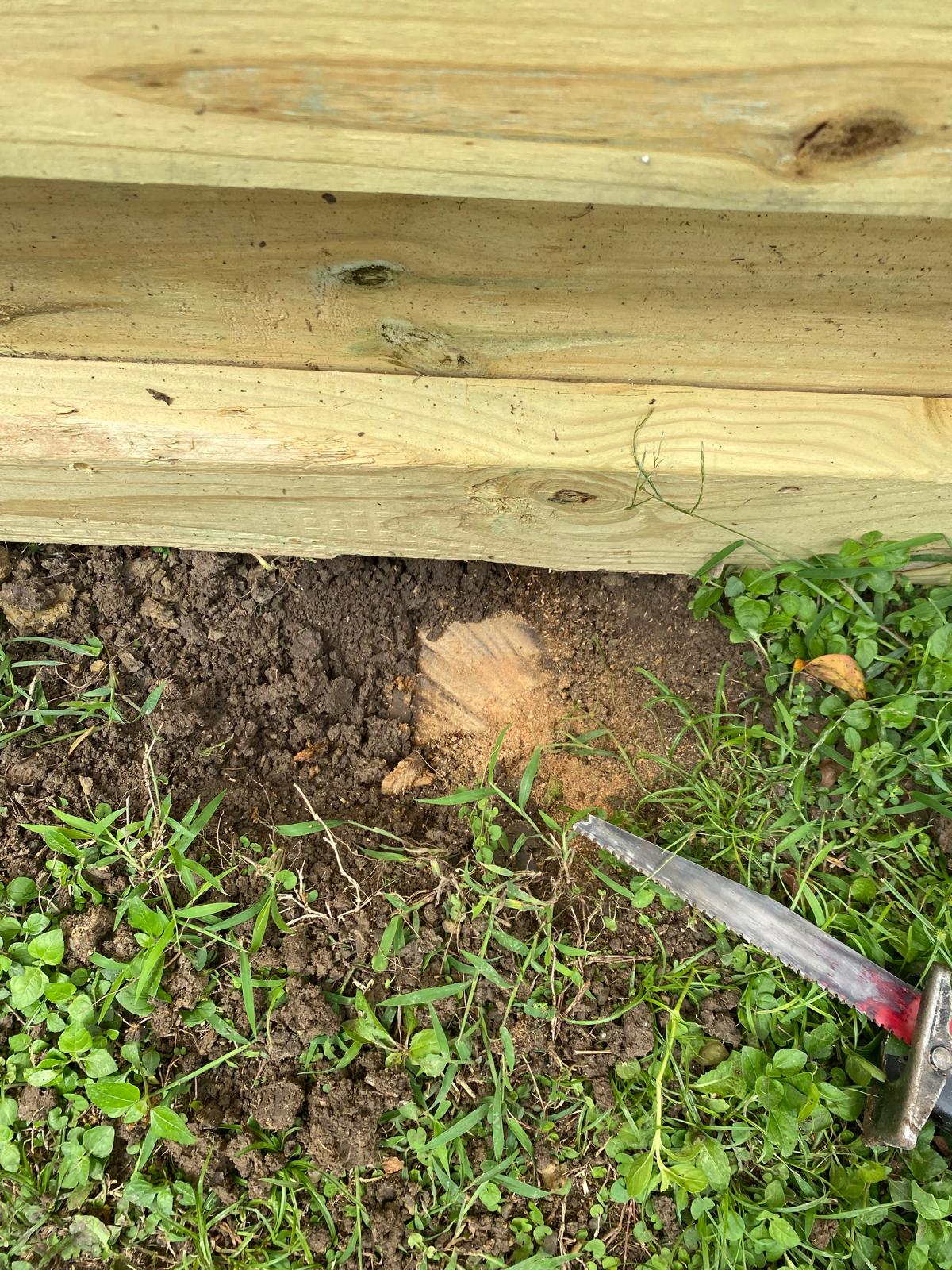
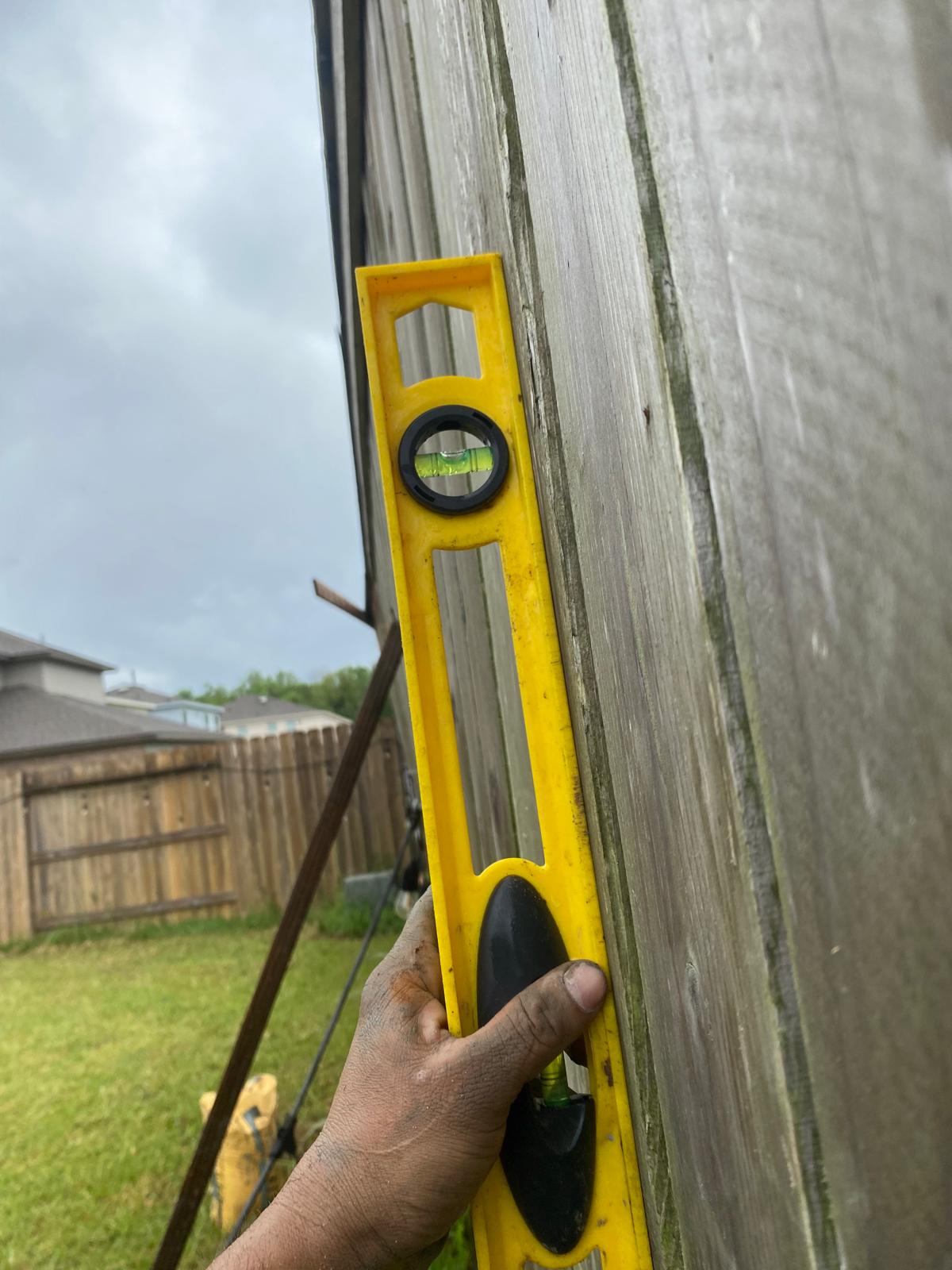
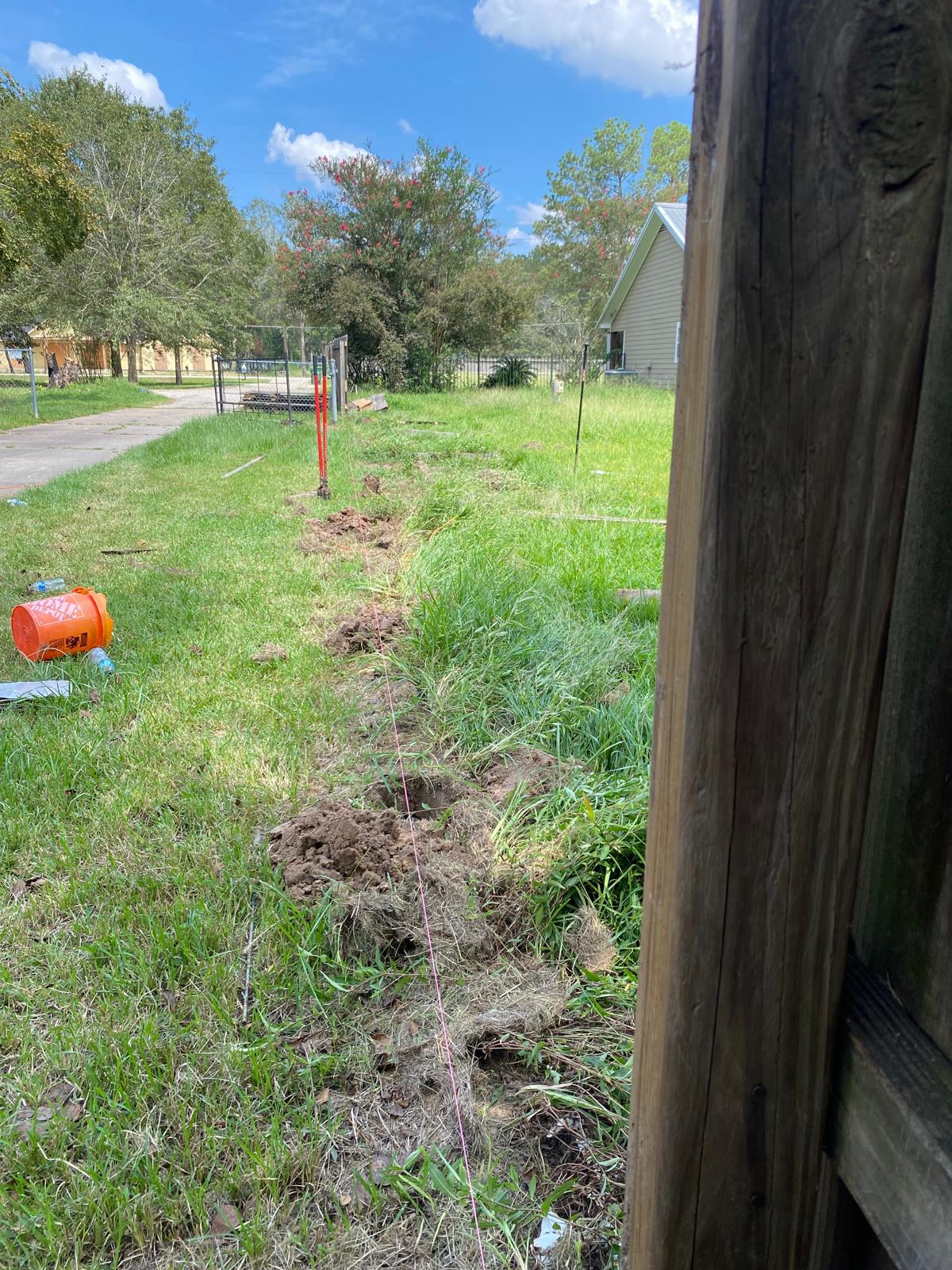
If the boards and rails are still straight, solid and well-attached, and it’s specifically the post that’s rotted, leaning, or broken off at the base, a post-only repair generally means: carefully detaching the existing rails from the failed post, removing what’s left of the old post, setting a new ground-contact-rated (UC4A) post in its place, and reattaching the original rails and boards. The fasteners matter here too — SFPA’s guidance says aluminum fasteners and building products shouldn’t be placed in direct contact with wood treated with dissolved-copper preservatives, and calls for hot-dip galvanized or stainless-steel fasteners in that situation. That’s worth checking any time new treated lumber meets older hardware. None of this works, though, if the boards and rails themselves are also damaged — at that point it’s a different, broader repair.
Posts vs. boards/rails: what’s actually different
| Item | Posts | Pickets / rails / slats |
|---|---|---|
| Ground exposure | In ground contact | Above ground only |
| Use-category rating (SFPA Table 3-1) | UC4A | UC3A (coated) / UC3B (uncoated) |
| Typical failure mode | Base rot, leaning, snapping at grade | Warping, cracking, loose fasteners — usually later |
| Can it be replaced alone? | Yes, if the boards/rails are still sound | Individual boards/rails can also be swapped alone — the post doesn’t need replacing just because one board does |
Source: Southern Forest Products Association, Pressure-Treated Southern Pine (2019 ed.), Table 3-1. “Typical failure mode” and “can it be replaced alone” rows are general repair guidance, not independently measured here.
Is this a post-only repair?
General guidance based on what’s actually failing — confirming it in person is still the reliable way to know for sure.
General repair guidance, plus the sourced fact that posts (UC4A, ground contact) and boards/rails (UC3A/UC3B, above-ground) are different lumber specs — which is why one can fail without the other.
What Galveston customers say
5.091 Google reviews · read them all on Google
Very professional and friendly. Gotten automatic gates done and they are done to perfection! Thank you
We just installed iron gate and it looks amazing thank you very much mustang fencing .
Mustang’s team installed iron fence for me and did an absolutely incredible job! I would recommend this company to anyone I know!
Reviews shown word for word from the Mustang Fencing Services Google Business Profile (Galveston), captured 2026-10-12.
Questions we get about this
How can I tell if it’s just the post that needs replacing?
Why do fence posts rot before the boards next to them?
Can the old fasteners be reused when a post is replaced?
Does replacing just the posts change the fence’s spacing or post size?
What if the boards are damaged too, not just the post?
Sources
Checked October 18, 2026. Rules change, so confirm with the City before you build.
- Southern Forest Products Association, Pressure-Treated Southern Pine (2019 ed.) — Table 3-1, AWPA use categories for posts (UC4A, ground contact) vs. pickets/rails/slats (UC3A/UC3B, above ground); Fasteners and Connectors section on corrosion protection with treated wood.
Not sure if it’s the posts or the whole fence?
We’ll walk the fence line, check which posts and boards are actually failing, and tell you honestly whether a post-only repair makes sense or the fence needs more.